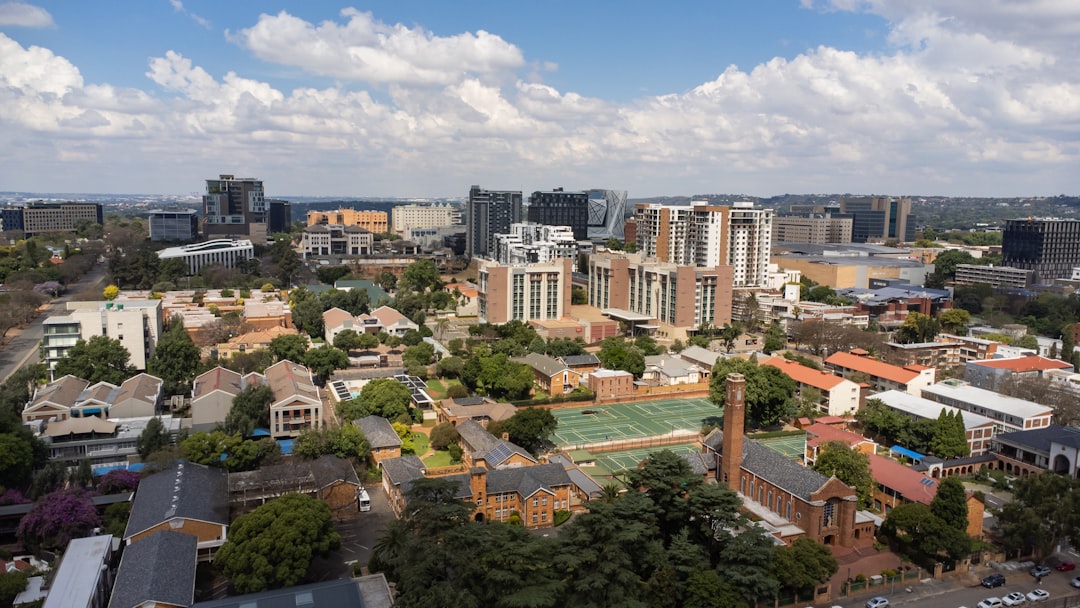
Johannesburg is Africa's most important business city and the gateway to the continent's largest economy and most developed financial market. The city attracts Australian professionals across mining (Australia and South Africa share deep mining heritage and many of the same companies), finance, legal, consulting, and the NGO and development sectors. South Africa and Australia share British colonial legal and institutional heritage, a love of cricket and rugby, a similar outdoor lifestyle, and a directness in communication that Australians typically find compatible. Johannesburg is a city of genuine contrasts and complexity but for the professionally motivated Australian it offers African exposure and career experience unavailable anywhere else. This guide covers what Australians need to know about moving to Johannesburg in 2026.
Visa Options for Australians Moving to Johannesburg
South Africa's visa structure for Australian professionals mirrors the Cape Town pathways. The Critical Skills Work Visa is the most practical route for qualified professionals in designated shortage occupations including mining engineering, IT, medical, and financial skills. The General Work Visa requires employer proof that no South African citizen could fill the role. The Intra-Company Transfer Visa is available for professionals transferring within multinational companies with South African operations. The Business Visa requires a minimum ZAR 5 million (AUD 400,000) investment. South Africa and Australia have a bilateral reciprocal agreement for some professional qualifications that can simplify the Critical Skills application.
Cost of Living in Johannesburg for Australians
Johannesburg is very affordable for Australians earning in AUD or at international salary scales. A modern apartment in Sandton's Rivonia Road corridor or a furnished house in Morningside costs ZAR 18,000-40,000 per month (AUD 1,450-3,200). Domestic staff including a gardener, cleaner, and possibly a driver are standard in the expatriate community and very affordable. South African restaurants and entertainment are a fraction of Australian costs. The largest family expense is international schooling. Security costs including home alarm systems, armed response, and safe neighbourhood choices add a tangible additional cost relative to Australian living.
Best Neighbourhoods for Australian Expats in Johannesburg
Sandton's Morningside, Houghton, and Illovo suburbs host the majority of the international professional expatriate community, with proximity to the Sandton City mall, the Sandton Convention Centre, and the financial district. Fourways is popular with families for its larger properties and the international school cluster around William Nicol Drive. Melrose and Rosebank are popular with younger professionals for the neighbourhood character, the Rosebank Mall, and the vibrant independent restaurant scene. Hyde Park provides a quieter and more exclusive residential option within the northern suburbs cluster.
Practical Moving Tips for Australians
Register with the Australian High Commission in Pretoria (which serves the Johannesburg area) on arrival. A car is absolutely essential in Johannesburg as there is no meaningful public transport system for the expatriate lifestyle areas. Home security including electric fencing, alarm systems, and armed response service is standard and should be considered a non-negotiable cost. Private health insurance through Discovery Health or similar providers is essential. Load-shedding (scheduled electricity outages) requires an inverter and battery backup system as a practical necessity. The Australian Chamber of Commerce Southern Africa and the South African-Australian Business Council are active networking organisations.
This article was compiled by AI and screened before publishing. See our editorial standards.