From Industrial Decay to Artisan Hub: How Maboneng’s Weekend Economy is Pivoting
As foot traffic patterns shift, the precinct once defined by gritty nightlife is rebranding itself as a curated daytime retreat for the city's upwardly mobile.
As foot traffic patterns shift, the precinct once defined by gritty nightlife is rebranding itself as a curated daytime retreat for the city's upwardly mobile.
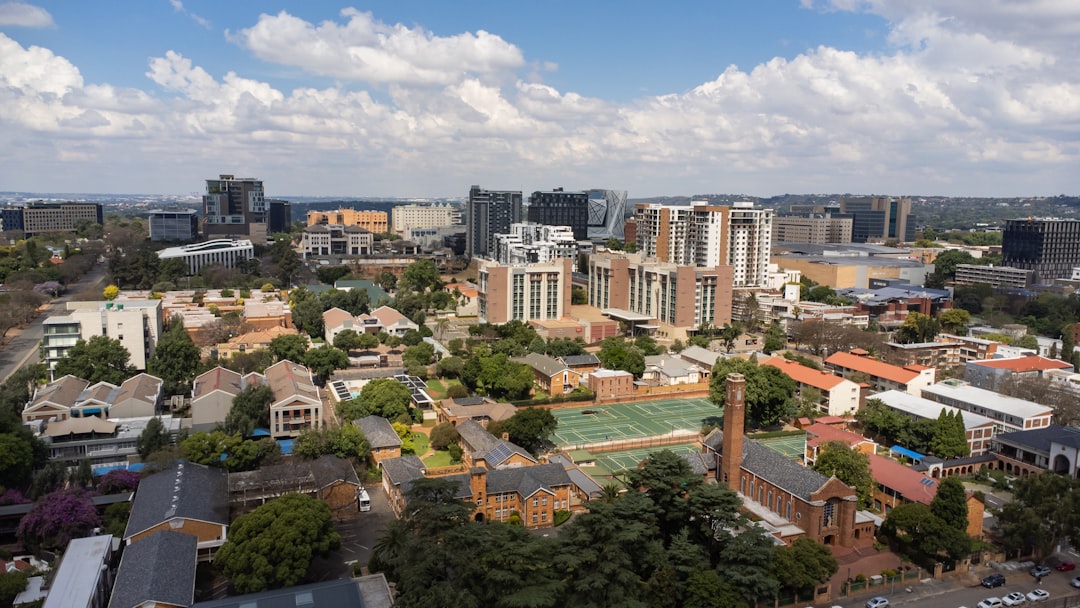
The sidewalk on Fox Street is quieter this Saturday than it was three years ago, but for the local business owners, the quality of foot traffic has fundamentally shifted. Maboneng, the neighbourhood that once served as the experimental ground for Johannesburg’s urban renewal, is no longer chasing the late-night clubbing crowd. Instead, the focus has moved toward bespoke retail, specialist workshops, and the high-end coffee culture that defines the new weekend visitor.
This pivot reflects a broader tightening of discretionary spending across Gauteng. Where once the area relied on high-volume nightlife footfall at venues like the former The Living Room, the current strategy centers on the 'day-tripper' economy. Arts on Main remains the anchor, though the vendor mix has changed significantly since early 2023. Visitors now find fewer pop-up trinket stalls and more dedicated studios, such as the ceramics collective operating out of the repurposed warehouses near Commissioner Street. The City of Johannesburg’s urban management initiatives have prioritized lighting and sanitation in the immediate vicinity, signaling a clear intention to move away from the high-risk, high-reward model of the mid-2010s.
For residents of Sandton or Rosebank, a weekend trip to Maboneng is increasingly about tangible experiences rather than ephemeral parties. The Sunday market culture has been replaced by structured craft workshops, with local artisans charging between R450 and R850 per session for classes ranging from leatherwork to small-scale metal smithing. According to data provided by the Maboneng Precinct Property Association, commercial lease renewals for street-level retail spaces have climbed by 12% in the last fiscal year, despite broader economic headwinds. This suggests that businesses operating between 09:00 and 17:00 are finding more stability than those banking on the midnight rush.
The transformation is most visible on Kruger Street, where the heavy presence of private security has facilitated a more relaxed atmosphere for cafe-goers. The shift in tone is unmistakable; the focus is now on slow-consumption. At the current exchange rate and cost-of-living index, a Saturday spent in the precinct—factoring in a premium brunch at a boutique roastery, a workshop fee, and secure parking at a facility like the Hallmark House complex—will typically cost a visitor around R1,200.
If you are heading into the city tomorrow, prioritize arrival before 10:30 to secure parking within the gated zones near the intersection of Fox and Berea Streets. The precinct’s management has recently implemented a 'smart-access' parking app, which is required for all visitors utilizing the primary lots. Stick to the primary pedestrian walkways, particularly along the stretch of Fox Street between Albrecht and Kruger, as these areas benefit from the highest concentration of private security patrols and active storefront eyes on the street.
How does this story make you feel?
Spread the word
About this article
Published by The Daily Johannesburg
Daily brief
Free, in your inbox before 7am. Weekdays.
More in lifestyle