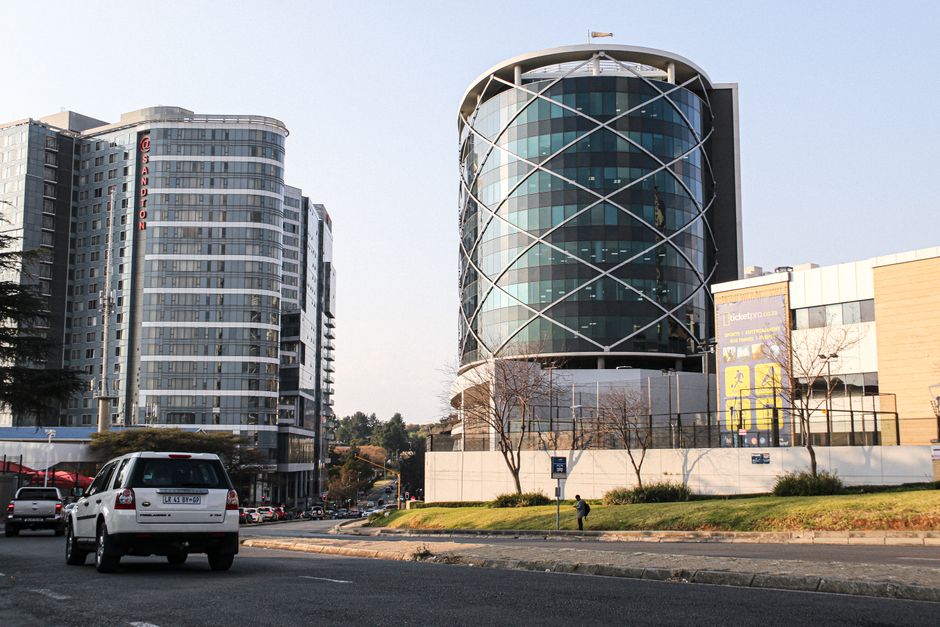
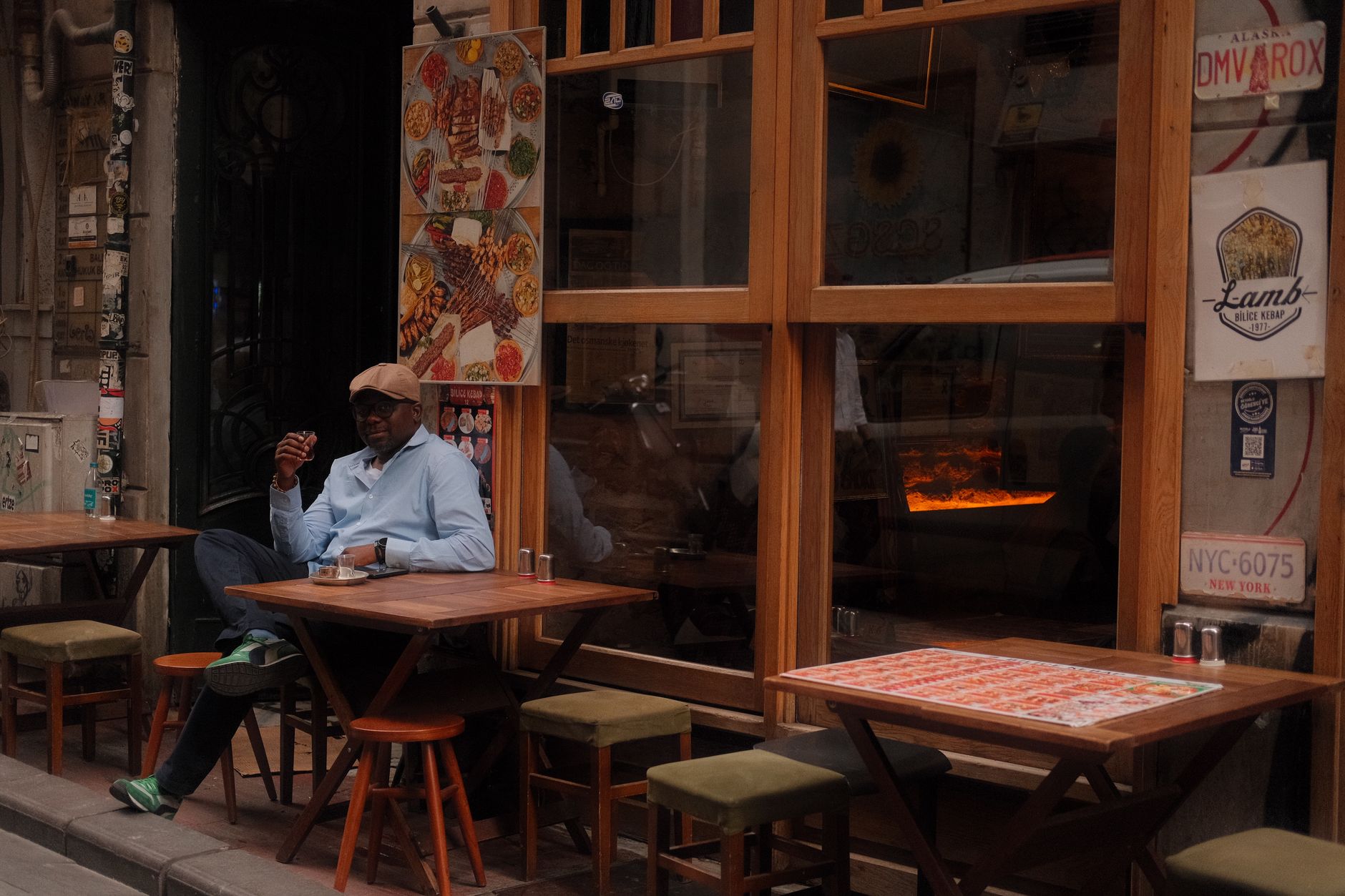
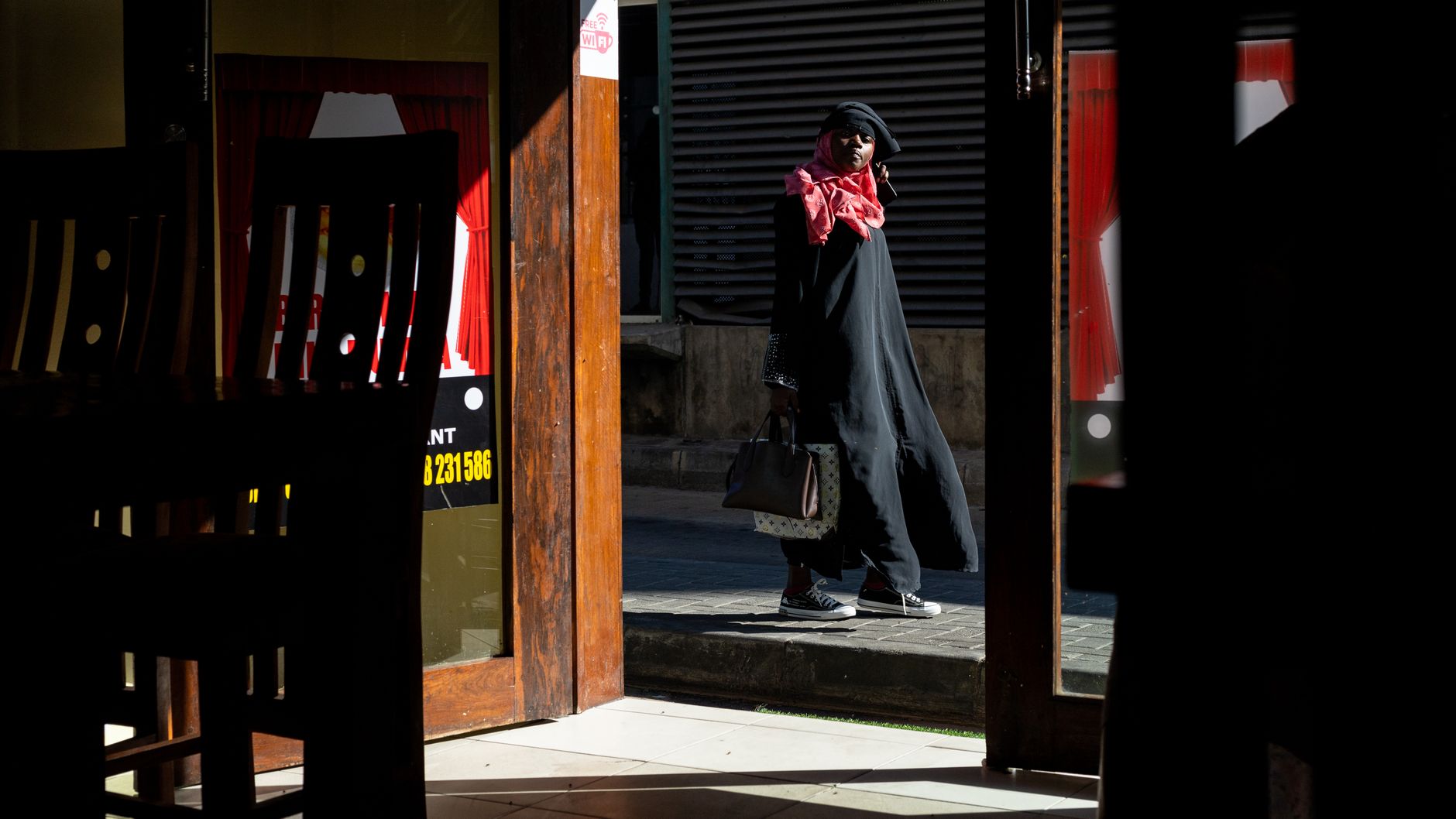
Sandton is finally loosening its tie. For decades, the district was defined by the glass-and-steel monoliths of Rivonia Road and the sterile corridors of the Sandton City mall. But this July, a walk through the neighbourhood reveals a starkly different texture. The sidewalk culture is thickening, fueled by an influx of high-rise apartment dwellers who are tired of dining in hotels and are instead demanding a local community pulse.
The Shift from Boardroom to Bistro
The culinary transition is anchored by places like The Green Room in the heart of Katherine Street and Marble, which continues to command the skyline from its vantage point above Keyes Avenue. These aren't just feeding stations for visiting executives; they are becoming living rooms for the city’s upwardly mobile. Unlike the rigid, table-clothed environments that dominated the 2010s, current menus are trending toward shared plates and indigenous ingredients that highlight the Highveld’s seasonal output. The community is seeking intimacy, not just proximity to the JSE.
This pivot matters because Sandton is experiencing its highest residential density in history. According to the latest City of Johannesburg municipal audit, the population living within a three-kilometre radius of Nelson Mandela Square has increased by 14 percent since 2022. That is nearly 8,000 new residents who aren't interested in a business lunch at 2:00 PM on a Tuesday. They are looking for Friday night life, weekend brunch spots, and a neighbourhood density that supports independent coffee roasters and artisanal bakeries.
Economics of the New Sandton Table
Operating costs in the district remain among the highest in South Africa. Retail rentals in the prime nodes of Maude Street now hover around R450 per square metre, forcing restaurateurs to be surgical with their overheads. A typical three-course meal at a premier Sandton establishment will now set a diner back at least R850, excluding wine. Despite these margins, the successful spots are those that treat guests like regulars rather than transit passengers. The 'community vibe' is no longer a marketing slogan; it is the primary strategy for survival in a market that has finally reached saturation with generic corporate chains.
If you are planning to navigate the neighbourhood this weekend, skip the lobby-level hotel restaurants and head for the perimeter. Focus on the smaller footprints tucked behind the major office blocks, particularly along Alice Lane. Reservations are increasingly essential as the local residential base fills tables that used to sit empty after 5:00 PM. Expect to pay a premium for local craft gin and wine, but look for the newer, independent spots that are stripping back the pretension in favour of high-quality produce and genuine service staff retention.