Where Strangers Become Regulars: What Joburg's Bar Neighbourhoods Really Say About Us
From Maboneng's industrial grit to Parkhurst's polished energy, Johannesburg's nightlife districts reveal distinct communities bound by more than just cocktails.
From Maboneng's industrial grit to Parkhurst's polished energy, Johannesburg's nightlife districts reveal distinct communities bound by more than just cocktails.
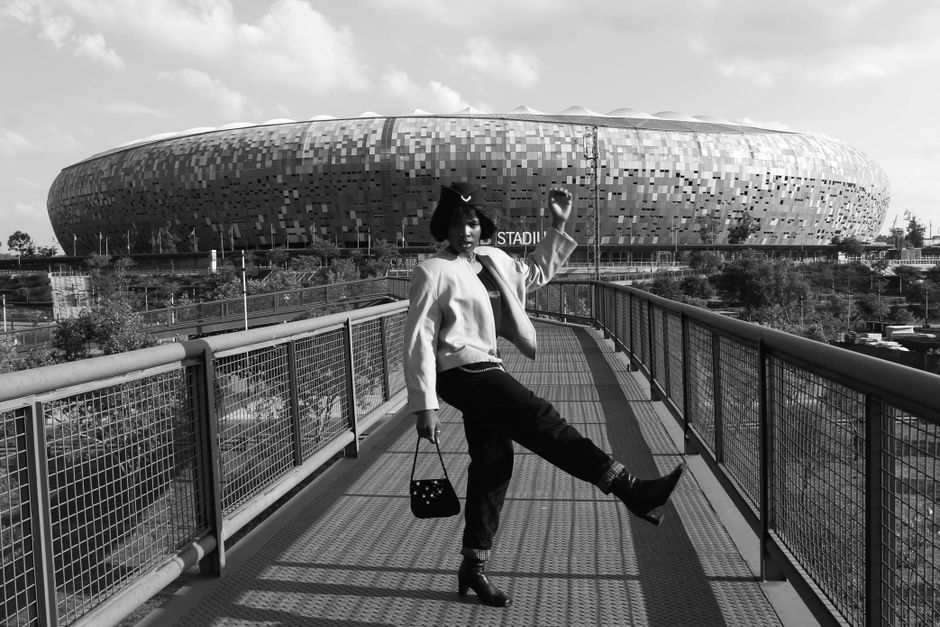
Walk down Fox Street on a Friday evening and you'll witness something quietly remarkable: a neighbourhood in conversation with itself. The Maboneng Precinct's bar scene—anchored by venues spread across converted warehouses and heritage buildings—has cultivated a distinct social texture that speaks to how communities actually form in Johannesburg.
"The character of a neighbourhood bar scene tells you everything about who feels welcome, who belongs, and who's building something together," says one long-time hospitality observer. The numbers bear this out. Maboneng has attracted over 400 informal traders and created roughly 2,000 jobs since its revitalisation began, with the bar and restaurant sector accounting for a significant portion of that economic activity.
But neighbourhood identity extends far beyond economics. In Parkhurst, the bar culture skews towards something distinctly different—more refined, with venues on 4th Avenue drawing professionals and established families. The vibe is aspirational yet accessible, reflecting a community that values consistency and familiarity. Meanwhile, Braamfontein's student-dominated bar strips pulse with experimental energy, where younger demographics are more likely to sample craft offerings and stay late into the night.
The real story, though, is how these spaces function as social infrastructure. According to hospitality industry data, Johannesburg's bar sector employs approximately 15,000 people directly, with countless others benefiting through supply chains and ancillary services. But employment statistics only tell part of the narrative. These venues serve as neutral territory where diverse Johannesburgers—separated by geography, economics, and experience during daylight hours—actually interact.
The Soweto nightlife expansion in recent years has added another dimension entirely. Venues along Vilakazi Street and in Orange Farm have created gathering spaces that reflect the neighbourhood's authentic character rather than importing formulas from elsewhere. This matters. It's the difference between a bar that serves a community and a bar that exploits one.
What's emerged across Johannesburg's various nightlife districts is a telling pattern: the most vibrant, sustainable communities are those where bar owners, staff, and regular patrons collectively shape the space's identity. Not through glossy marketing, but through repeated interactions, shared investments in safety and quality, and genuine commitment to the neighbourhood's wellbeing.
As Johannesburg navigates broader social challenges, its bar scenes—those everyday gathering places—remain where the city's different communities most directly encounter one another. That's not trivial. That's essential urban infrastructure.
This article was compiled by AI and screened before publishing. See our editorial standards.
How does this story make you feel?
Spread the word
About this article
Published by The Daily Johannesburg
Daily brief
Free, in your inbox before 7am. Weekdays.
More in lifestyle