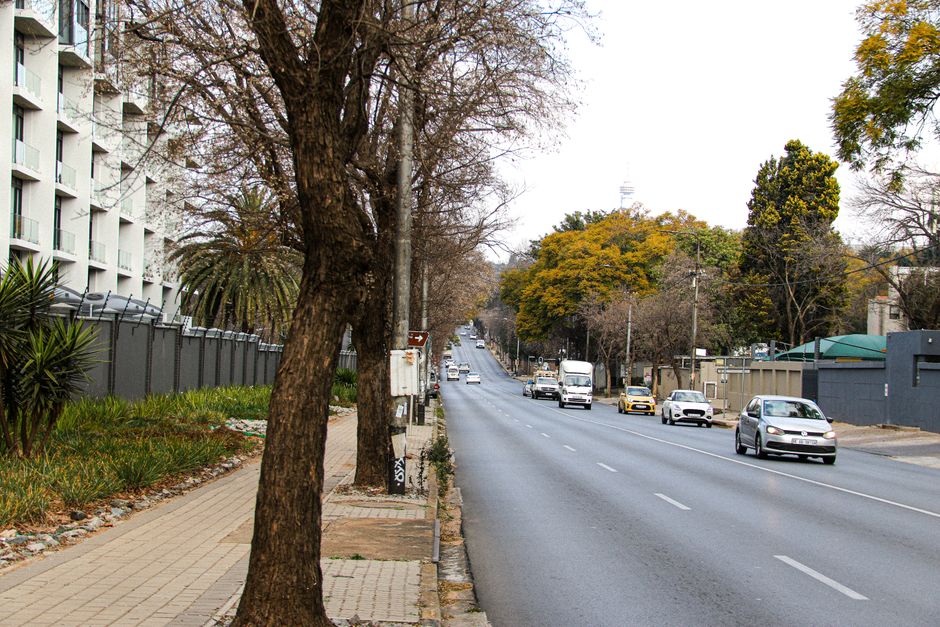
Walk through Bruma Lake Market on a Saturday morning in 2026, and you'll notice something markedly different from five years ago. Between the traditional curio stalls and vintage furniture vendors, young designers are setting up pop-up shops featuring sustainable fashion lines. The market, which draws approximately 8,000 visitors weekly according to local business associations, has evolved from a purely budget-focused shopping destination into a genuine lifestyle experience.
This transformation isn't isolated to Bruma. Across Johannesburg's neighbourhoods—from the regenerated Maboneng Precinct to the increasingly cosmopolitan Parkhurst—street markets and informal retail spaces are experiencing a quiet revolution. The shift reflects broader changes in how Johannesburg consumers, particularly younger demographics, approach shopping. Rather than choosing between mall culture and street markets, they're seeking authentic, curated experiences.
"The market economy has become more sophisticated," says Thomas Malinga, coordinator of the Johannesburg Street Vendors Association, speaking on recent retail trends. The organisation has noticed a 34% increase in vendor applications from formal-sector professionals supplementing income through weekend trading since 2023. Many are creatives: jewellery makers, clothing designers, and artisans who view markets as galleries rather than mere transaction points.
Prices tell part of the story. While traditional markets like those on Eloff Street remain accessible—a handmade leather bag might cost between R180 and R350—newer hybrid markets attract premium offerings. A designer's limited-edition piece at Bruma or the Sunday markets in Rosebank can fetch R800 to R2,500, reflecting both quality and the changing customer base willing to pay for provenance.
Technology has accelerated this evolution. Many vendors now accept digital payments through SnapScan and Zapper, addressing a historical friction point for younger shoppers. Social media marketing has given individual traders reach their predecessors never had. Some Johannesburg vendors report 40% of weekly sales now originating from Instagram discovery.
The city's major malls aren't disappearing, but they're facing unexpected competition from these reimagined street markets. Property developers and local government have taken notice, with several neighbourhood improvement districts now providing formal infrastructure—better lighting, waste management, and security—to street retail spaces.
This isn't gentrification disguised as progress; it's adaptation. Street markets remain economically accessible to shoppers and vendors alike, while offering the authenticity and community connection that homogenised mall experiences increasingly lack. As Johannesburg positions itself as an African creative hub, its evolving market culture may be its most compelling retail story.
This article was compiled by AI from the sources linked above and screened before publishing. See our editorial standards.