Getting Around Joburg in 2026: The Complete Cost and Access Guide Before You Go
From Gautrain fares to minibus taxi routes, here's what you actually need to budget and know about moving through Africa's economic heartbeat.
From Gautrain fares to minibus taxi routes, here's what you actually need to budget and know about moving through Africa's economic heartbeat.
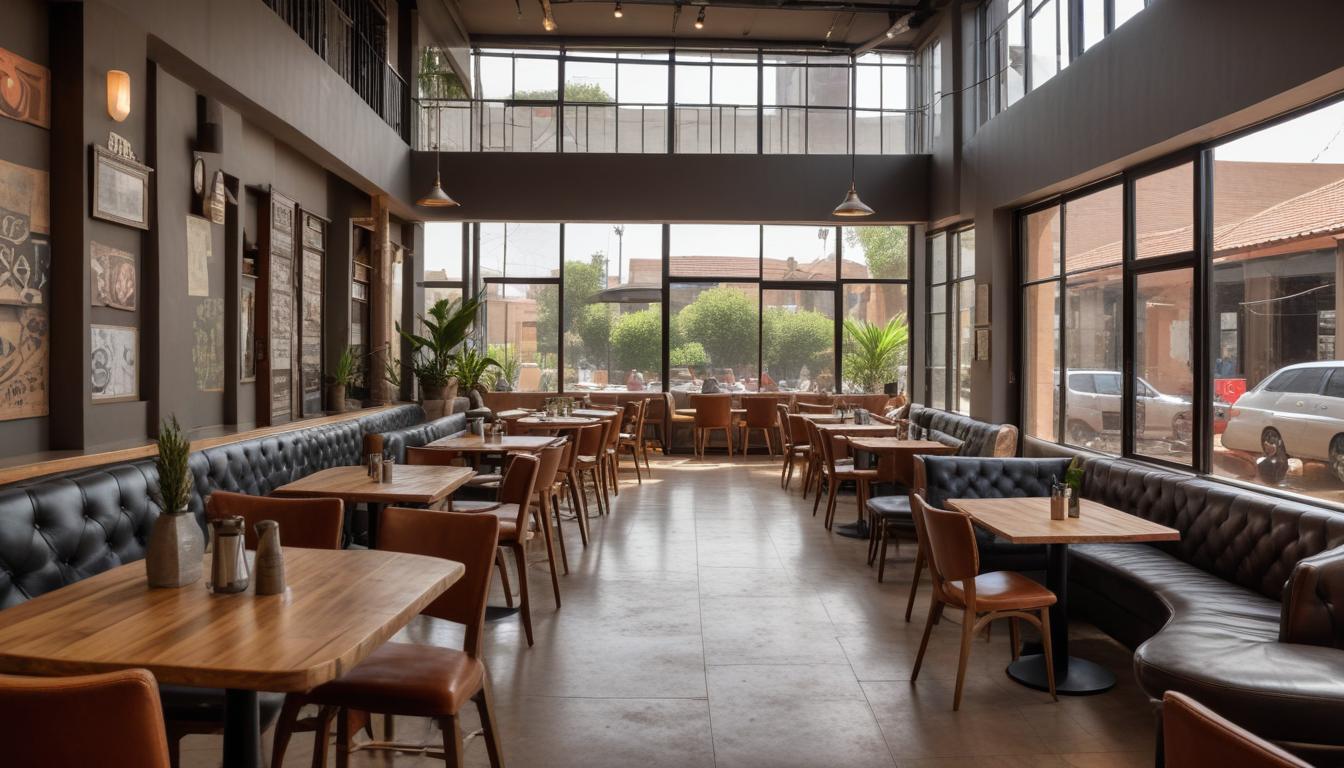
Whether you're commuting from Sandton to the Johannesburg CBD or heading out for weekend entertainment in Braamfontein, transport costs in South Africa's largest city have shifted considerably. Before you venture anywhere, here's what modern Johannesburg mobility actually demands from your wallet and time.
The Gautrain remains the most reliable option for longer distances. A single journey from Sandton Station to Park Station costs around R35–R45, depending on peak or off-peak travel. If you're a regular commuter, a monthly pass hovers near R1,800—manageable for corporate workers but steep for daily labourers. The trains run from 5:30 a.m. to 11 p.m., with services every 10–20 minutes during business hours. Accessibility is generally solid, with elevators at major stations, though Johannesburg's infrastructure remains patchy outside the central corridor.
For most residents, minibus taxis remain the lifeline. Routes crisscross from Alexandra to Midrand, Soweto to the East Rand, with fares typically R10–R25 per journey. The system is informal but efficient—locals know the routes intuitively. However, safety and comfort vary wildly. Overcrowding is standard; theft is a genuine concern. Young professionals increasingly avoid taxis after dark, favouring ride-hailing apps instead.
Uber and Bolt have transformed urban mobility for those with smartphone access and bank accounts. A typical trip across central Johannesburg—say, Melville to Newtown—runs R80–R150 depending on demand and time. Surge pricing during peak hours (7–9 a.m., 5–7 p.m.) can double costs. Both services operate citywide but concentrate service in affluent zones: Sandton, Hyde Park, Parkhurst, and the inner city near the Nelson Mandela Bridge.
MyCiTi bus services operate limited routes, primarily connecting Soweto and the southern suburbs to the CBD via Ellis Park and Bree Street stations. Single fares cost R12–R18, with monthly passes at approximately R480. Reliability has improved, though scheduling remains inconsistent.
Cycling is gaining traction among young professionals in neighbourhoods like Braamfontein and Maboneng, though road safety remains a concern on arterials like Jan Smuts Avenue and Empire Road.
Your transport strategy depends entirely on where you live and work. Sandton-to-CBD workers should budget monthly transport costs between R1,500–R3,000. Minibus users spending R250–R500 monthly. Ride-app users easily spend R3,000 plus. Plan accordingly, leave 30% extra time for delays, and always have a backup route. Johannesburg moves fast, but it doesn't always move predictably.
This article was compiled by AI from the sources linked above and screened before publishing. See our editorial standards.
How does this story make you feel?
Spread the word
About this article
Published by The Daily Johannesburg
Daily brief
Free, in your inbox before 7am. Weekdays.
More in lifestyle