How Johannesburg's Parks Define Their Neighbourhoods: A Walk Through the City's Beating Green Spaces
From Melville's bohemian corners to Parktown North's manicured retreats, the city's outdoor sanctuaries reveal the soul of each community.
From Melville's bohemian corners to Parktown North's manicured retreats, the city's outdoor sanctuaries reveal the soul of each community.
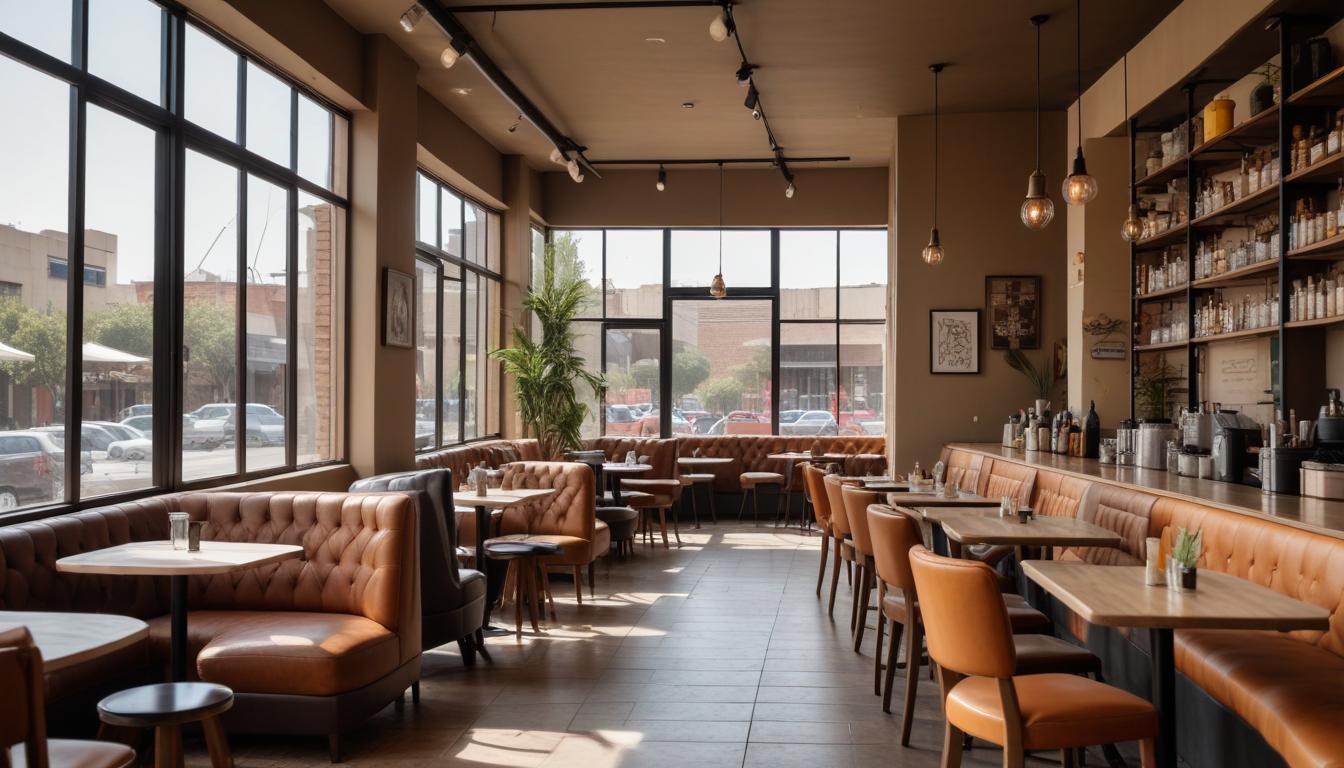
On any given weekend morning, Johannesburg's parks tell stories about who lives nearby—and who those communities aspire to be. Walk through Delta Park in Johannesburg's leafy northern suburbs and you'll spot young families pushing prams alongside professionals training for marathons. It's orderly, purposeful, aspirational. Cross the Linden border into Melville's compact green lung, though, and the energy shifts entirely. Here, the vibe is decidedly bohemian: street musicians set up on the grass, weekend brunch culture spills from nearby restaurants on 7th Street, and the park functions less as a fitness destination and more as an urban living room.
These aren't coincidences. Urban planners and community researchers have long understood that parks function as neighbourhood mirrors, reflecting local identity, economic conditions, and social priorities. In Johannesburg, where urban green space per capita averages around 9 square meters—below the World Health Organisation's recommended 15 square meters—how neighbourhoods activate their parks says everything about their character.
Parktown North's Brenthurst Park exemplifies suburban aspirationalism. With its manicured lawns, structured playground equipment, and consistent security presence, it serves families seeking controlled environments. Entrance feels intentional; the neighbourhood's R3.2 million median property price suggests users can afford both membership options and private security overlays. Conversely, Braamfontein's newly revitalised Library Gardens represents something different: urban renewal enthusiasm. The space has become a flashpoint for young creatives, startup culture, and that particular Joburg ingredient—hope mixed with pragmatism.
The Wilds in Emmarentia attracts introspective walkers and joggers who value proximity to natural koppies; its community skews older, more contemplative. Meanwhile, Government Square in Newtown pulses with street culture, informal traders, and the spontaneous social organisation of the city's creative precinct. Each park's footprint tells its neighbourhood's economic story: better-resourced areas feature amenities like public restrooms and maintained pathways, while community-dependent spaces in emerging neighbourhoods often rely on volunteer stewardship.
What's emerging across Johannesburg is a recognition that parks require genuine neighbourhood investment to thrive. The most vibrant green spaces—those where real community bonding happens—aren't simply well-funded municipal projects. They're spaces where residents feel ownership, where local businesses recognise park-adjacent benefits, and where informal and formal economies coexist. From Melville's cultural crossroads to Parktown North's suburban confidence, Johannesburg's parks aren't just recreational amenities. They're the genuine expression of who each neighbourhood is and who its people want to become.
This article was compiled by AI from the sources linked above and screened before publishing. See our editorial standards.
How does this story make you feel?
Spread the word
About this article
Published by The Daily Johannesburg
Daily brief
Free, in your inbox before 7am. Weekdays.
More in lifestyle