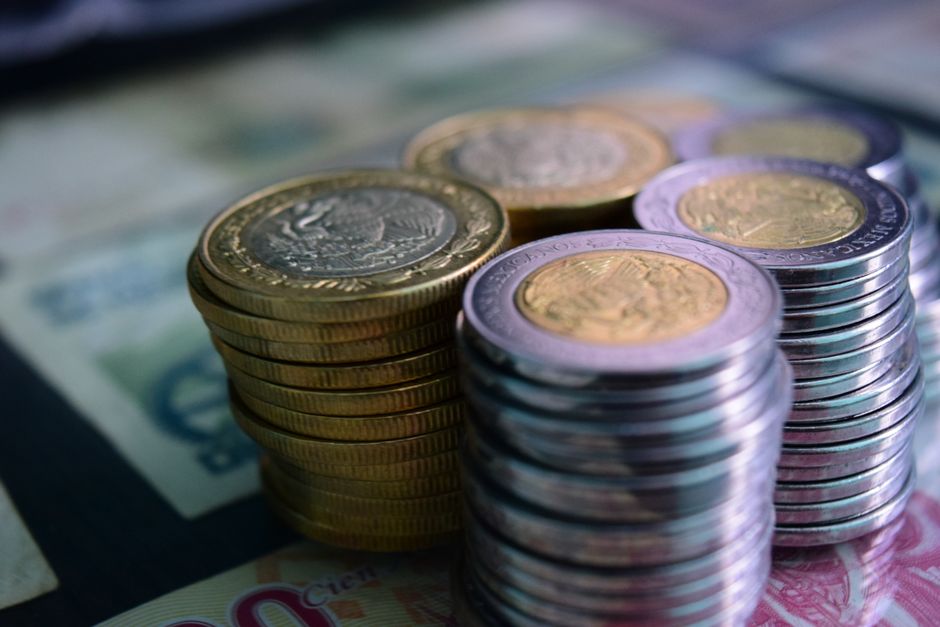
Gold hit $4,187 per troy ounce on Friday, a gain of more than four percent in a single session, and for investors in Johannesburg the number carries weight that goes well beyond the ticker. South Africa's economy, its bourse and a significant portion of the pension savings sitting in Regulation 28-compliant retirement funds are structurally tied to what happens to the gold price. When that price moves four percent in a day, the JSE's resources index moves with it, and the beneficiaries are closer to home than most commentators acknowledge.
Friday's session delivered a broad-based global rally. The S&P 500 climbed 1.71 percent to close at 7,483, the Nasdaq Composite added 1.87 percent to reach 25,833, and Bitcoin surged 6.66 percent to $62,456, all pointing to a market that had, at least for one session, set aside its anxieties about trade policy and sticky inflation and decided to take on risk. The euro firmed 0.47 percent against the dollar to $1.1440, reflecting dollar softness that, historically, provides a tailwind for rand-denominated assets and rand-priced commodities alike. For Johannesburg, dollar weakness is almost always a friend.
The one complicating factor in Friday's picture was crude oil. WTI dropped 2.78 percent to $68.78 per barrel. For South Africa, a net oil importer, that is actually a qualified positive: lower crude prices reduce the country's import bill, ease pressure on the current account, and soften the petrol price, which feeds directly into CPI and therefore into South African Reserve Bank rate deliberations. The SARB's Monetary Policy Committee, which meets next in late July, will have noted the combination of a softer oil price and a firmer rand with interest.
Who Is Positioned to Benefit
On the JSE, the direct beneficiaries of a $4,187 gold price are concentrated but significant. AngloGold Ashanti, which completed its move to a New York primary listing but retains a JSE secondary listing with substantial local institutional ownership, is the most direct play. Gold Fields, headquartered in Johannesburg with operations spanning South Deep in Gauteng through to projects in West Africa and the Americas, sits squarely in the crosshairs of this rally. Harmony Gold, the most JSE-domestic of the major producers, operates almost entirely from South African soil and converts its revenues at the prevailing rand-dollar rate, meaning a weak dollar and strong gold price work doubly in its favour. Fund managers running local equity mandates that are overweight resources have, by the arithmetic of Friday's moves, had an unusually strong week.
Beyond the gold miners, the broader resources complex warrants attention. Platinum group metals producers including Impala Platinum and Sibanye-Stillwater, which is dual-listed and carries significant debt, are watching the global risk-on signal closely. PGM prices have lagged gold's extraordinary 2025-2026 run, and there is a growing argument among resources analysts that the discount cannot hold indefinitely if industrial demand, particularly from hydrogen economy investments in Europe, begins to recover. The rand's direction over the next two months will be critical to how that thesis develops.
Local retail investors and pension fund members should also consider the property and banking sectors, which respond to a different but related set of signals. A SARB rate cut, which the combination of lower oil, firmer rand and slowing global inflation makes slightly more probable, would provide direct relief to heavily mortgaged households in Soweto, Sandton and everywhere between. Absa, FirstRand and Standard Bank all carry significant home loan books, and their net interest margins compress when rates fall but their credit loss ratios tend to improve as borrowers become less stretched. The net effect, historically, is positive for bank equity over a six to twelve month horizon after the first cut.
The risk to this picture is not trivial. The dollar's softness could reverse quickly if US payrolls data, due next week, surprises to the upside. A stronger dollar would hit gold, compress rand strength and pull the rug from under the narrative that has driven JSE resource stocks higher this week. South Africa's own fiscal position, with National Treasury managing a constrained debt stabilisation path under the 2026 Medium Term Budget Policy Statement commitments, leaves limited room for any external shock that widens spreads on South African government bonds. Load-shedding, which has returned in modified form as Eskom manages generator maintenance schedules, remains a direct drag on mining output and therefore on the very earnings that make the sector's valuations look reasonable at current gold prices.
None of that changes the fundamental read from Friday's data. Gold at $4,187, a risk-on global session and dollar softness constitute exactly the external configuration that Johannesburg's resource-heavy market is built to exploit. The question for local investors is not whether the opportunity is real. It is whether they are positioned to capture it before the window closes.