culture
Local collectives reshape Johannesburg's creative scene across Maboneng, Rosebank.
From the revitalized brickwork of Maboneng to the independent galleries of Rosebank, local collectives are reclaiming the city’s creative narrative.
How we reported this
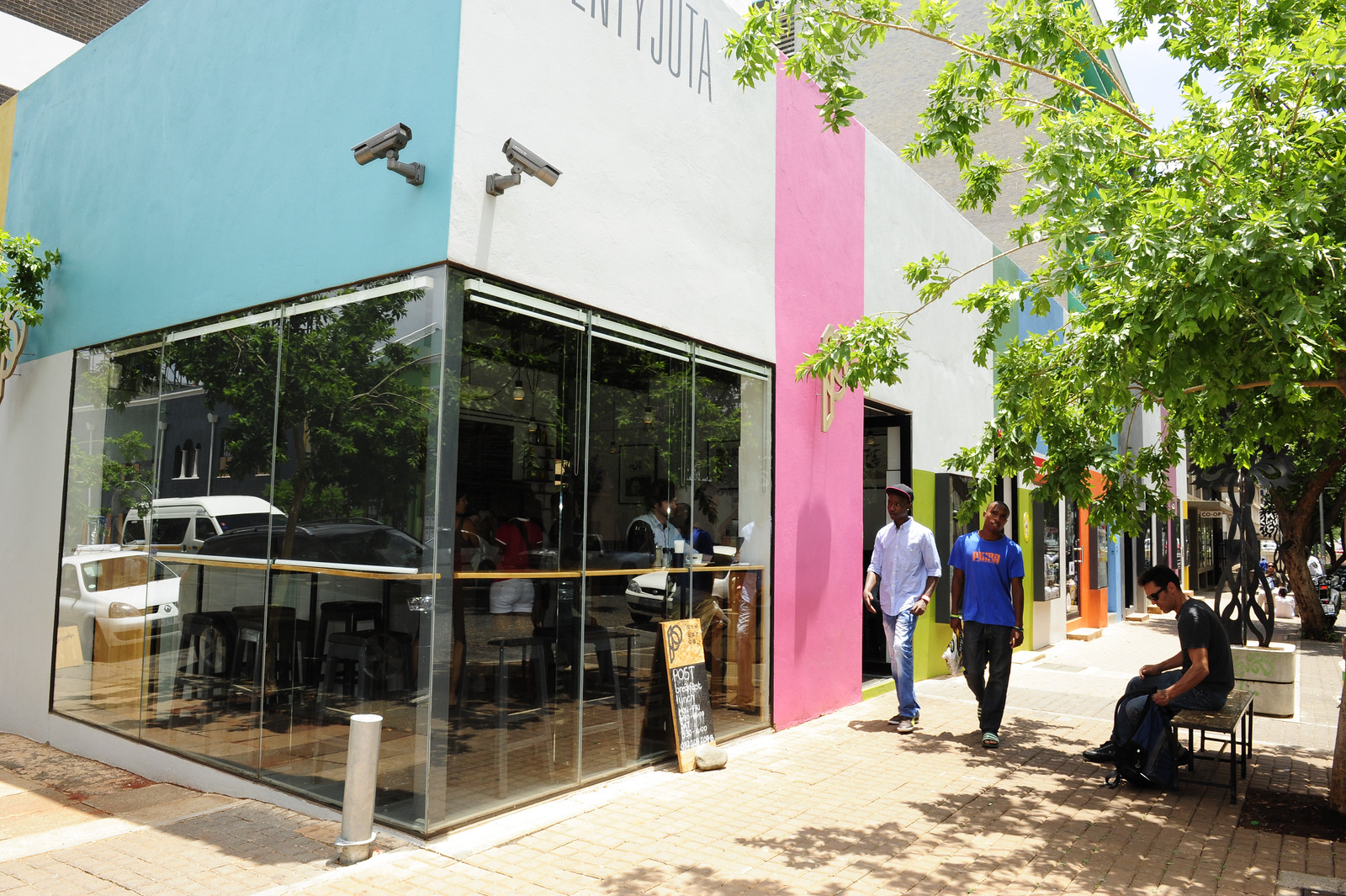
Johannesburg’s creative sector is moving away from centralized institutional programming and toward a decentralized model led by grassroots collectives. This Saturday, July 5, 2026, marks a visible milestone in this transition as independent venues across the city coordinate a series of simultaneous pop-up exhibitions and workshops aimed at re-engaging neighborhood residents in local art production.
The shift is a direct response to the consolidation of arts funding over the last five years, which has historically favored large-scale commercial entities. Local organizations are now prioritizing community-led spaces that offer lower barriers to entry for emerging artists. This movement prioritizes the adaptive reuse of industrial buildings over the construction of new gallery spaces, a trend most visible in the ongoing development of the inner-city precinct corridors.
Reclaiming the Street Level
In the Maboneng precinct, the Arts on Main complex remains a central anchor, but the activity is increasingly spilling out into the neighboring warehouses on Fox Street. Simultaneously, in the northern suburbs, the Keyes Art Mile in Rosebank has announced a shift in its seasonal programming to feature more monthly residencies for local students, according to its current public schedule. These shifts indicate a broader structural change in how Johannesburg’s cultural infrastructure is being utilized by independent curators who operate outside of traditional funding models.
Market data from the Joburg Centre for Software and Culture indicates that creative industry employment in the Gauteng province grew by 4.2% in the 2025 fiscal year. Furthermore, entry-level studio rentals in the inner city now average approximately R3,500 per month for shared spaces, a price point that has remained relatively stable since January 2026 due to the concerted efforts of property management firms and neighborhood advocacy groups to keep independent creators from being priced out of the area.
Engaging with the New Circuit
For those looking to experience this movement firsthand today, the current program at the Wits Art Museum offers a baseline for understanding the historical context of these community movements. Visitors are advised to check the live updates on the Johannesburg Art Map, which tracks the pop-up schedules for the remainder of the afternoon. As the city approaches the cooler evening hours, public transit routes along the Rea Vaya network provide the most efficient access between the inner-city exhibition spaces and the satellite galleries currently holding open-call evenings.