culture
Johannesburg's Creative Class Transforms Public Spaces During Winter Revival
While international capitals contend with extreme summer heat, Johannesburg’s creative class is leveraging the crisp July air to redefine the city's public spaces.
How we reported this
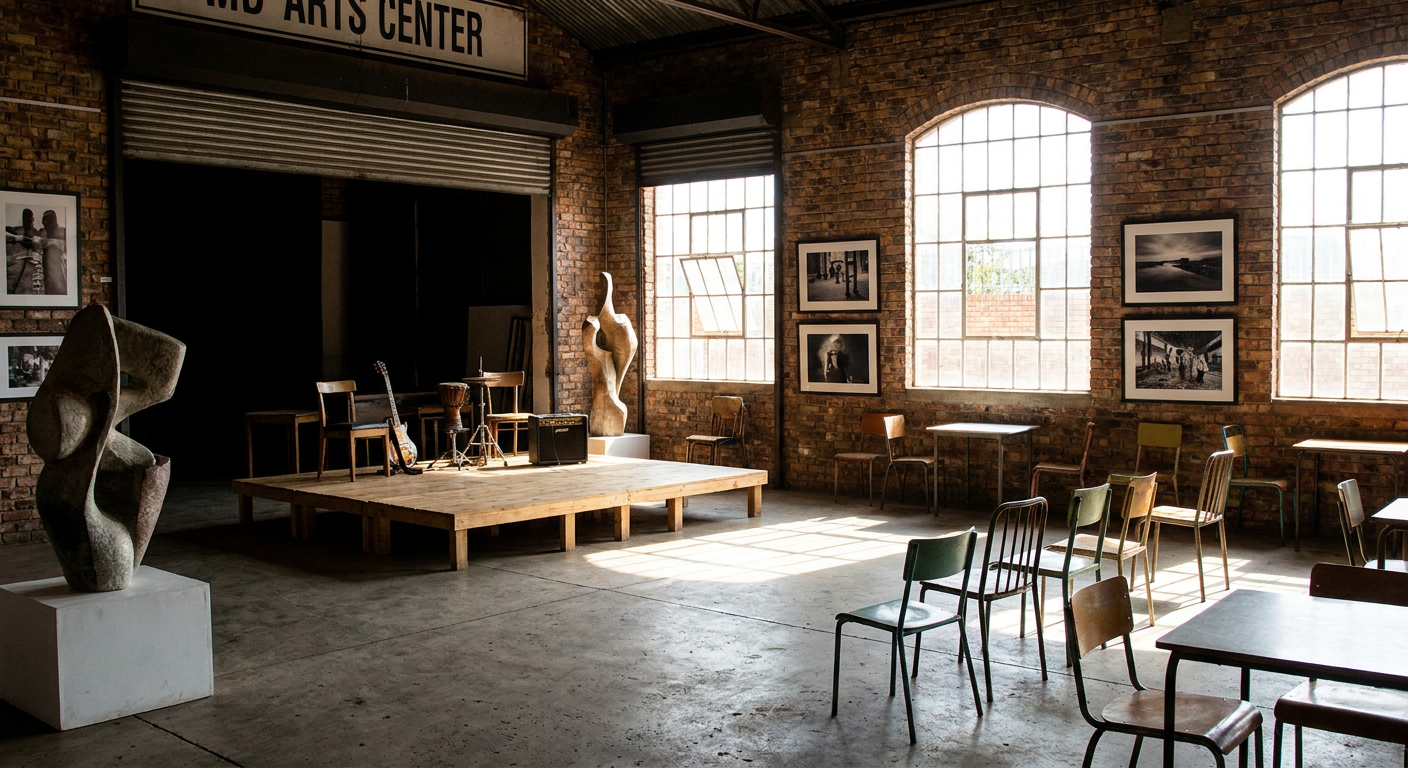
The mercury sits at a crisp 14 degrees Celsius this afternoon in Johannesburg, a stark departure from the heatwaves shuttering public events across the Northern Hemisphere. As the city enters the heart of winter, the Maboneng Precinct and the historic streets of Braamfontein are seeing a surge in foot traffic, driven by independent curators who have spent the last six months transforming neglected industrial corridors into galleries and open-air workshops.
This resurgence matters because it signals a shift in the local economic model. Instead of relying on traditional corporate-sponsored festivals, the current momentum is fueled by micro-entrepreneurs and artist-run collectives who are reclaiming urban voids to counter the quietude that typically accompanies the July school holidays. These organizers are focusing on foot-accessible hubs, prioritizing intimacy over the mass-market events that characterized the city's arts sector in previous years.
From Industrial Shells to Cultural Catalysts
At the Arts on Main complex on Fox Street, director and curator Mbali Ndlou has shifted the venue's focus toward multi-disciplinary residencies. Ndlou, who spearheaded the mid-year 'Winter Open Studio' initiative, argues that the current strategy is to provide space for artists who were displaced during the redevelopment phases of the CBD. By keeping the doors open through the winter, the venue serves as a rare indoor sanctuary that avoids the typical seasonal lull.
Just a few blocks away, the Wits Art Museum (WAM) in Braamfontein is hosting a retrospective focused on post-apartheid urbanism. The museum, which maintains a collection of over 10,000 objects, serves as the anchor for the surrounding district, forcing a synergy between the university campus and the commercial nightlife of De Korte Street. The curators here have consciously linked their winter exhibition schedule to the 'First Saturday' initiative, a program designed to keep local coffee shops and independent bookstores open until late evening.
The Economics of the Local Shift
The numbers support this grassroots pivot. According to the Johannesburg Development Agency (JDA) annual report for the 2025/2026 fiscal period, foot traffic in designated urban improvement districts increased by 12% in the second quarter compared to the same period in 2024. Furthermore, the entry fee for the current 'Winter Salon' exhibition at Arts on Main is set at a accessible R60, a move the organizers implemented to ensure the space remains a community utility rather than an exclusive enclave.
For those looking to navigate the city this weekend, the practical move is to ditch the vehicle and utilize the Rea Vaya bus rapid transit system to reach the inner-city hubs. Accessing these creative spaces by foot is not only safer but essential to understanding the granular transformation of streets like Commissioner and Main. Expect the intensity of these independent galleries to increase throughout July, as organizers have already confirmed that the current programming will run until the end of August, providing a rare consistent outlet for the city's burgeoning contemporary art scene.