culture
Local Arts Spaces Reshape Johannesburg's Creative Identity This Weekend
From the industrial edges of Maboneng to the established galleries of Rosebank, the city’s weekend rhythm is recalibrating toward independent production.
How we reported this
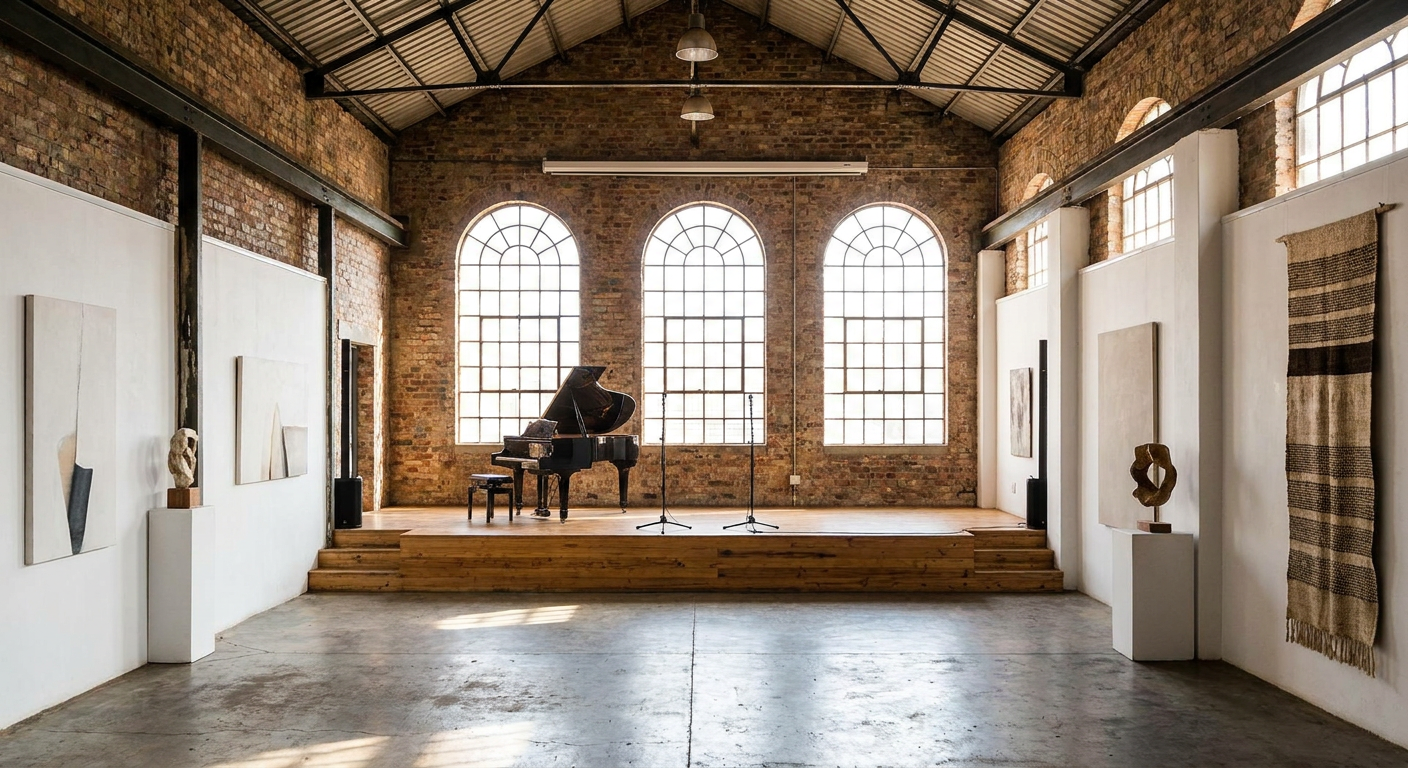
Johannesburg’s creative pulse is currently concentrated in the workshops and independent galleries that have opened their doors for the weekend. Across the city, from the street-level studios in Maboneng to the curated exhibition spaces in Rosebank, artists are shifting their focus away from traditional commercial centers toward grassroots engagement. This movement is not merely a collection of isolated events; it is a fundamental shift in how the city views its own cultural output, prioritizing local narratives over imported trends.
The Reclaiming of Public Space
The transformation of former light-industrial districts into hubs for creative production has become a defining characteristic of Johannesburg’s urban evolution. Areas such as Fox Street have undergone a steady transition where warehouses once utilized for manufacturing now serve as open-plan studios for emerging visual artists and collective design firms. This physical repurposing mirrors a broader desire among Johannesburg’s creative class to institutionalize their independence. By moving away from centralized, high-rent office blocks, these creators are building a decentralized ecosystem that allows for spontaneous collaboration rather than top-down curation.
The role of institutions such as the Bag Factory Artists’ Studios has been pivotal in this transition. Located in Fordsburg, the facility provides an infrastructure for dialogue between established figures and the next generation of practitioners. The work on display this weekend across sites like the Keyes Art Mile demonstrates a clear move toward mixed-media installations that reference the city’s complex post-industrial history. This trend is not about aesthetic nostalgia, but about grounding new work in the specific material realities of Gauteng’s urban landscape.
Economic Metrics of the Creative Economy
Growth in the city’s creative sector is increasingly tied to the viability of these independent venues. According to the 2026 City of Johannesburg Economic Development report, the creative and cultural industries contributed a notable share of the local service sector output, with specific investment in the Maboneng and Braamfontein precincts helping to drive foot traffic. While global market shifts often influence the cost of raw materials for production, the domestic demand for locally sourced art and design remains strong, even as prices for gallery-quality pieces have climbed over the past twelve months.
For those looking to engage with this shift, the most authentic experience is currently found at the smaller, artist-run galleries that open on Saturdays. Visitors are advised to check current exhibition schedules online, as many of the most influential spaces, such as those tucked away in the Arts on Main complex, often hold events that prioritize direct interaction with the creators. This weekend, the focus remains on accessible, community-driven showcases that allow the public to witness the production process firsthand, rather than viewing the finished product behind glass.