culture
Local Creators Transform Johannesburg's Industrial Corridors Into Thriving Weekend Destination
As the city finds new rhythm in its industrial corridors, local creators are turning derelict history into the heartbeat of a Saturday afternoon.
How we reported this
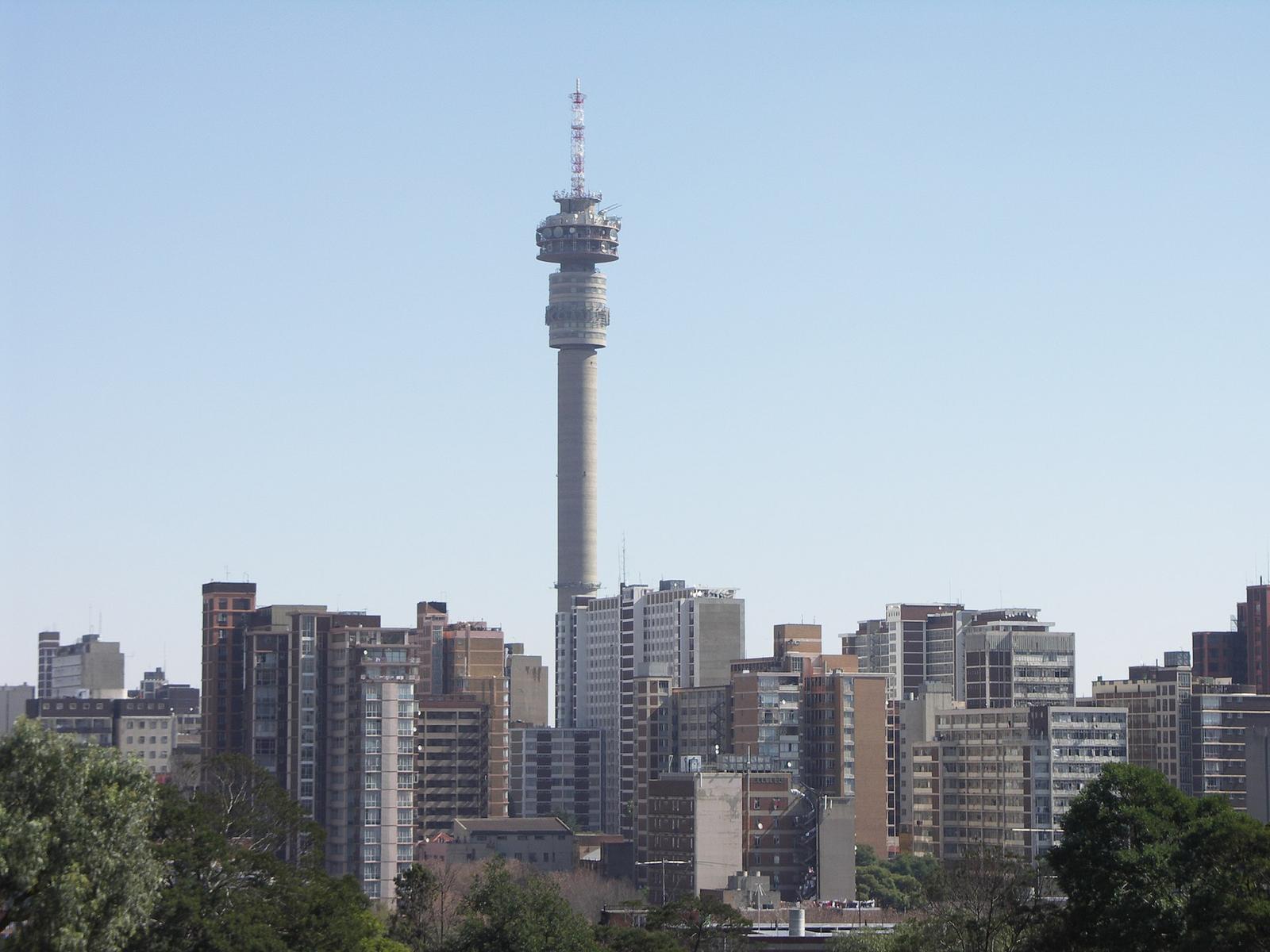
Johannesburg is shedding its winter lethargy this Saturday as the inner-city cultural revival hits a high note, with creative clusters across Maboneng and Braamfontein welcoming significant foot traffic. What was once dismissed as a corridor of abandoned warehouses has been meticulously repurposed by a collective of artists and architects who viewed the urban decay not as an end, but as a structural foundation for the city’s next chapter.
From industrial relics to creative hubs
The transformation of spaces like the Arts on Main precinct in Maboneng serves as the primary example of this shift. Behind the polished concrete floors and exposed brickwork lies years of negotiation and careful urban planning by development groups aiming to preserve the aesthetic of the old industrial district while inviting new commerce. The strategy relies on maintaining the grit of the city’s manufacturing past while integrating galleries and independent retail spaces that define the current local aesthetic.
In Braamfontein, the energy is equally concentrated around the Juta Street strip. Local independent vendors and small-scale curators have established a recurring weekend market culture that bridges the gap between high-fashion aspirations and local craftsmanship. The creators behind these projects emphasize that the success of these venues is tied directly to the preservation of street-level accessibility, ensuring that the city’s historic architecture remains a functional component of the public experience rather than merely a museum piece.
The economics of a shifting landscape
Data from local business associations indicates that weekend occupancy in these regenerated zones has seen steady growth over the current season. While the cost of entry to many of these curated events remains nominal or free, the secondary economic impact is felt throughout the local hospitality sector, which reports increased demand for dining and beverage services in proximity to these creative anchors. The uptick in activity is helping to stabilize the local service economy, providing a necessary injection of capital into a region that has faced fluctuating commercial conditions for several years.
For those looking to engage with this scene today, the most effective approach is to traverse the walkways of the Maboneng precinct before moving north toward the cultural archives housed in Braamfontein. Visitors should note that while many galleries open their doors early, the evening programming often features live performances that require pre-booked access via the venues' official digital portals. Navigating the city during these peak hours is best managed through public transport networks or coordinated ride-sharing services, as parking remains limited in the most high-density zones.