From Industrial Decay to Cultural Hub: The History and Evolution of the Johannesburg Arts Scene
As the city shakes off the quiet of mid-winter, the transformation of Maboneng and Rosebank proves that Joburg's creative heartbeat is louder than ever.
As the city shakes off the quiet of mid-winter, the transformation of Maboneng and Rosebank proves that Joburg's creative heartbeat is louder than ever.
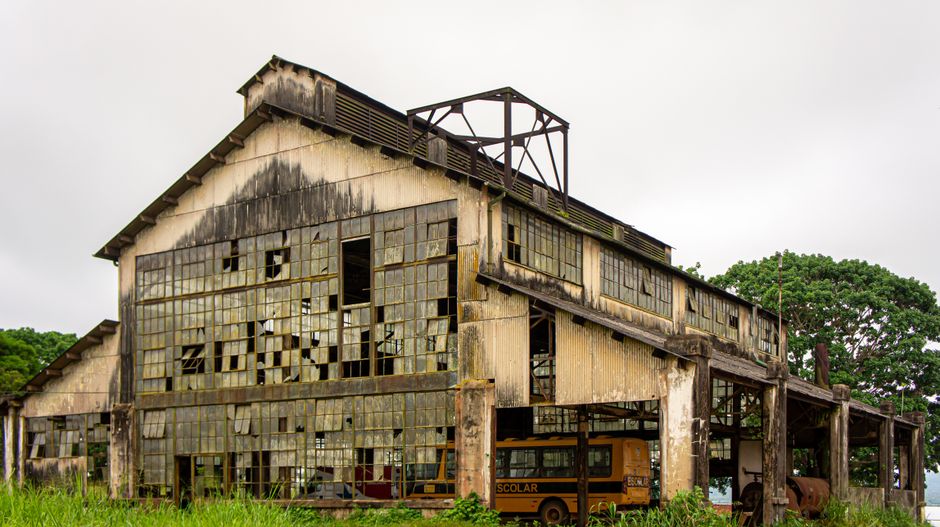
Johannesburg’s cultural life enters a new phase today, July 4, 2026, as the Arts on Main complex in the Maboneng precinct marks its seventeenth year as a cornerstone of the city’s creative economy. Where once there were only abandoned warehouses and textile factories, today the area hosts a dense schedule of gallery openings and design workshops. The shift from an industrial ghost town to a global destination for contemporary African art is no longer a nascent trend; it is the established reality of the Gauteng urban experience.
The evolution of Johannesburg’s scene stems from the early 2000s, when the Central Business District began shedding its reputation as a no-go zone. This was not a top-down urban planning miracle. Instead, it was driven by local collectives and developers who saw value in the high ceilings of Marshalltown and the gritty streetscapes of Fox Street. Today, the Arts on Main ecosystem integrates studio space with high-end retail, creating a bridge between the street-level hawkers selling fresh fruit and the international collectors visiting for the latest exhibition at the Nirox Foundation project spaces.
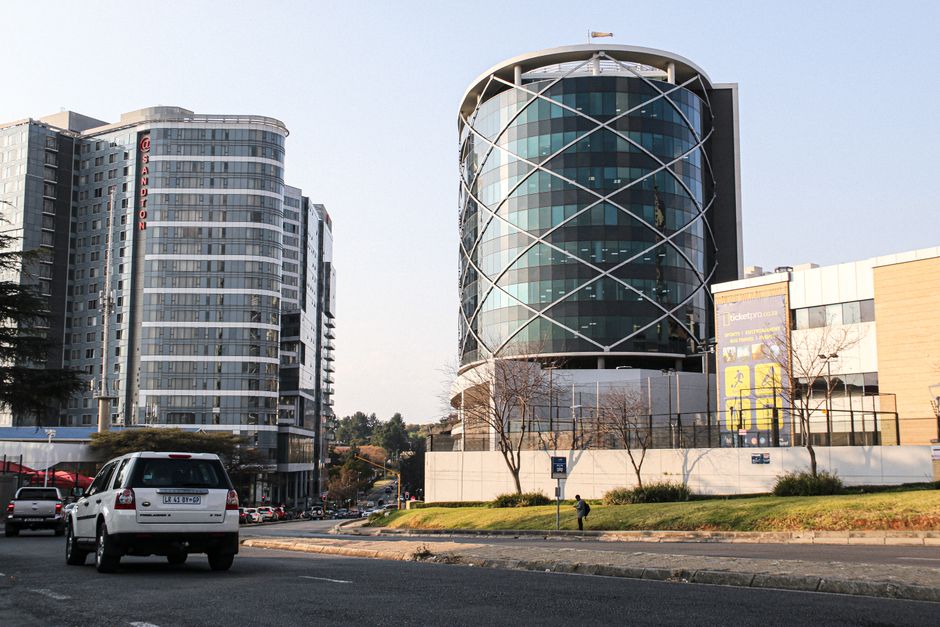
While the focus remains on the rejuvenation of the inner city, the cultural weight has also shifted north to Rosebank. Here, the Keyes Art Mile has become a focal point for the city’s established elite and emerging talent. The Contrast between the steel-and-glass developments of Oxford Road and the repurposed red-brick structures of the inner city mirrors the dual nature of Johannesburg itself—a city perpetually tearing down its past to make room for its future.
The numbers reflect the growth of this sector. According to the 2025 Creative Industry Economic Report, the arts, culture, and design sector contributed approximately R34 billion to the Johannesburg metropolitan economy last year. Public and private galleries in the city now host an average of 45 major exhibitions monthly, a significant increase from the 12 recorded during the same period in 2018. Admission to the major galleries, such as the Wits Art Museum, remains free, reflecting a deliberate effort to ensure accessibility remains a priority despite the rising cost of property in the precinct.
For those looking to engage with the scene this Thursday, the options are varied. The market at 1 Fox Street is hosting a late-afternoon live performance series, with entry priced at R50 per person. If you are venturing out, keep in mind that the current mid-winter temperatures hover around 16 degrees Celsius by midday, but will plummet to near freezing after 6:00 p.m. Expect traffic congestion on the M1 highway near the Jan Smuts Avenue off-ramp as the evening commute coincides with gallery closing events. The most effective way to experience the city today is to leave the car in a secure lot in Maboneng and walk the demarcated pedestrian zones, which are monitored by private security patrols until 9:00 p.m.
How does this story make you feel?
Spread the word
About this article
Published by The Daily Johannesburg
Daily brief
Free, in your inbox before 7am. Weekdays.
More in culture