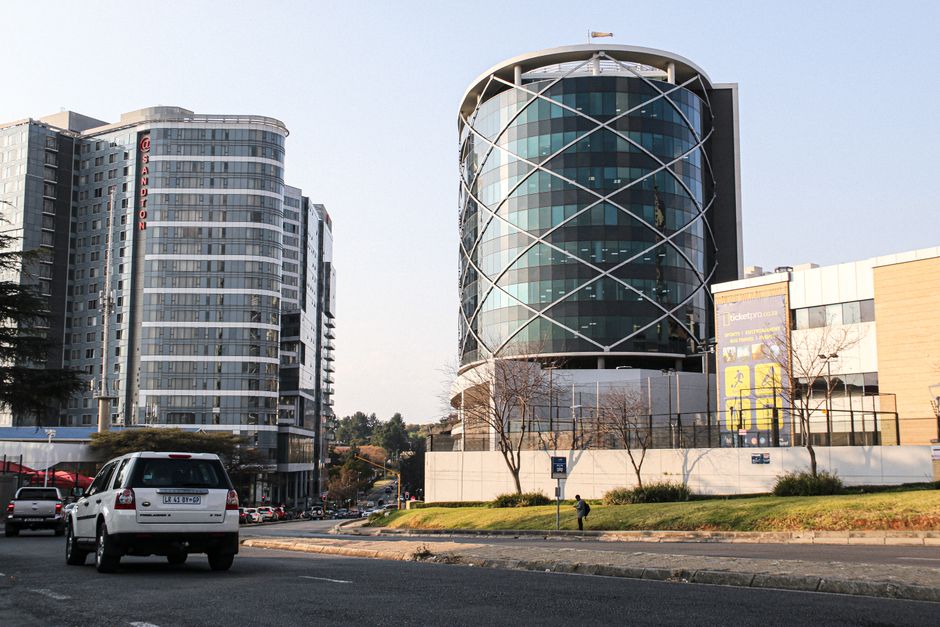
The Community and Movement Driving Johannesburg's Cultural Shift
A new wave of creatives is transforming the city's cultural landscape, from Braamfontein to Maboneng
A new wave of creatives is transforming the city's cultural landscape, from Braamfontein to Maboneng
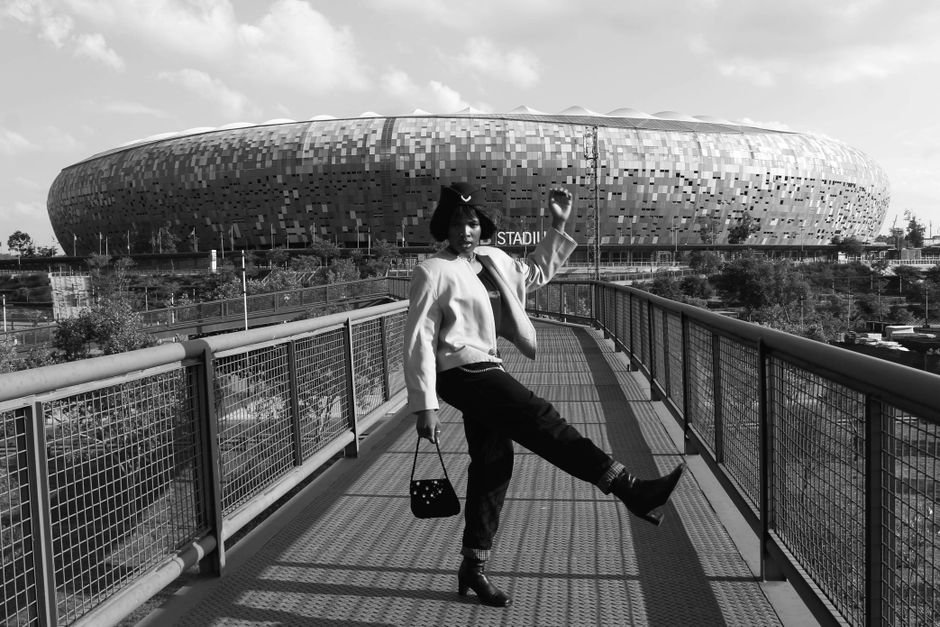
Today, July 4, 2026, Johannesburg is buzzing with creative energy, as a community-driven movement is reshaping the city's cultural identity. At the heart of this shift is a vibrant network of artists, musicians, and performers who are reclaiming public spaces and pushing the boundaries of self-expression.
This cultural shift matters now because Johannesburg is at a crossroads, with a growing population of young, urban dwellers seeking new ways to engage with their city. As the world grapples with global challenges, from climate change to social inequality, Johannesburg's cultural scene is responding with a unique blend of resilience, creativity, and community spirit. The city's cultural institutions, such as the Johannesburg Art Gallery and the Market Theatre, are also playing a vital role in nurturing this movement, providing platforms for emerging artists and facilitating collaborations between local and international creatives.
In neighborhoods like Braamfontein and Maboneng, a new generation of entrepreneurs and artists is transforming abandoned buildings into thriving cultural hubs. The Braamfontein Recreation Centre, for example, has become a popular venue for live music and performance events, while the Maboneng Precinct is home to a diverse range of galleries, studios, and street art installations. Organisations like the Johannesburg Inner City Partnership and the Gauteng Department of Sports, Arts, Culture and Recreation are also investing in community-led initiatives, such as the Jozi Book Fair and the Soweto International Jazz Festival, which celebrate the city's rich cultural heritage and promote social cohesion.
According to a recent report by the Gauteng Provincial Government, the creative sector in Johannesburg has grown by 25% over the past five years, with over 10,000 new jobs created in the arts, culture, and heritage industries. The report also notes that the city's cultural events and festivals attract over 1 million visitors annually, generating an estimated R1.5 billion in revenue for local businesses. With prices for art classes and workshops starting from as little as R200 per session, and average ticket prices for cultural events ranging from R50 to R500, Johannesburg's cultural scene is becoming increasingly accessible to a diverse range of audiences.
As the city's cultural shift gains momentum, residents and visitors can expect to see even more innovative and inclusive initiatives emerging. The upcoming Johannesburg Arts Festival, scheduled to take place from August 15 to 30, 2026, will feature a range of free and ticketed events, including live music performances, theatre productions, and visual art exhibitions. With its unique blend of community spirit, creative energy, and cultural diversity, Johannesburg is poised to become one of the most exciting and vibrant cultural destinations in the world.
How does this story make you feel?
Spread the word
About this article
Published by The Daily Johannesburg
Daily brief
Free, in your inbox before 7am. Weekdays.
More in culture