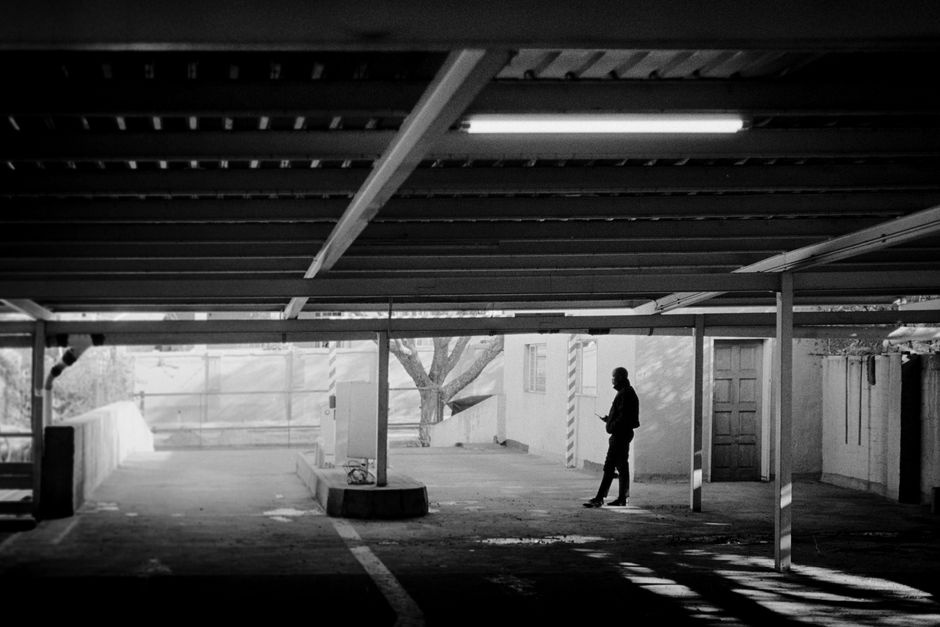
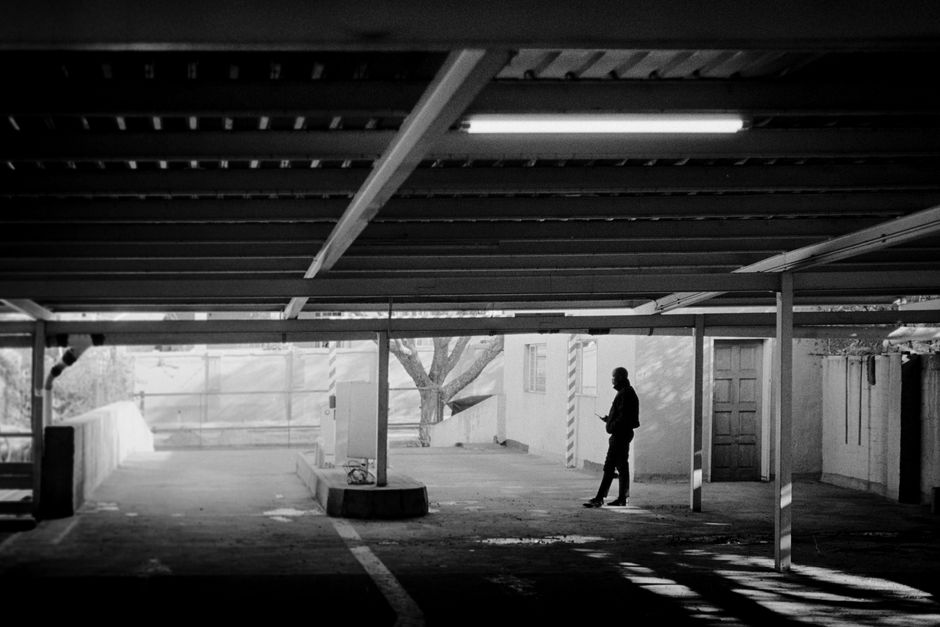
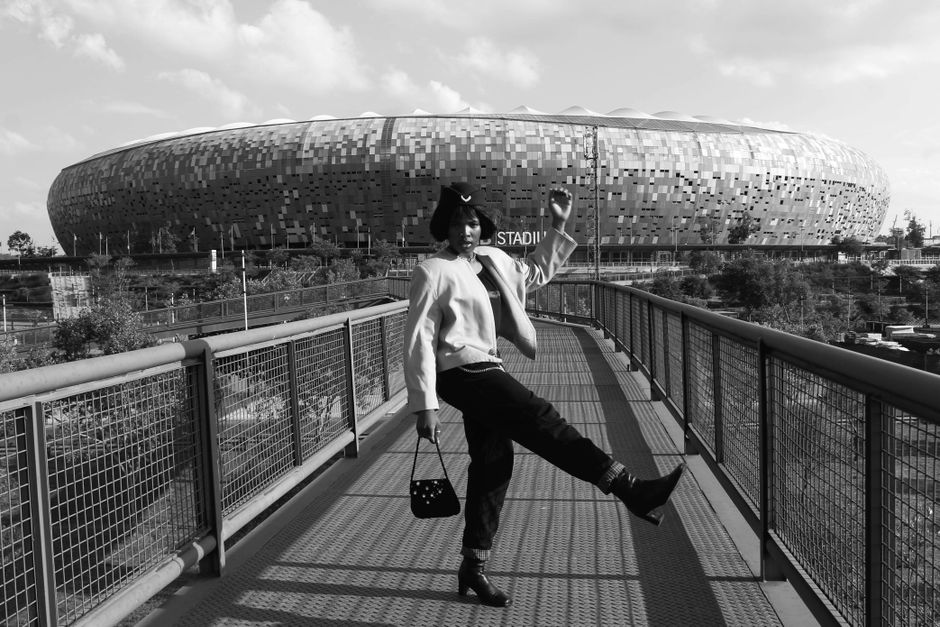
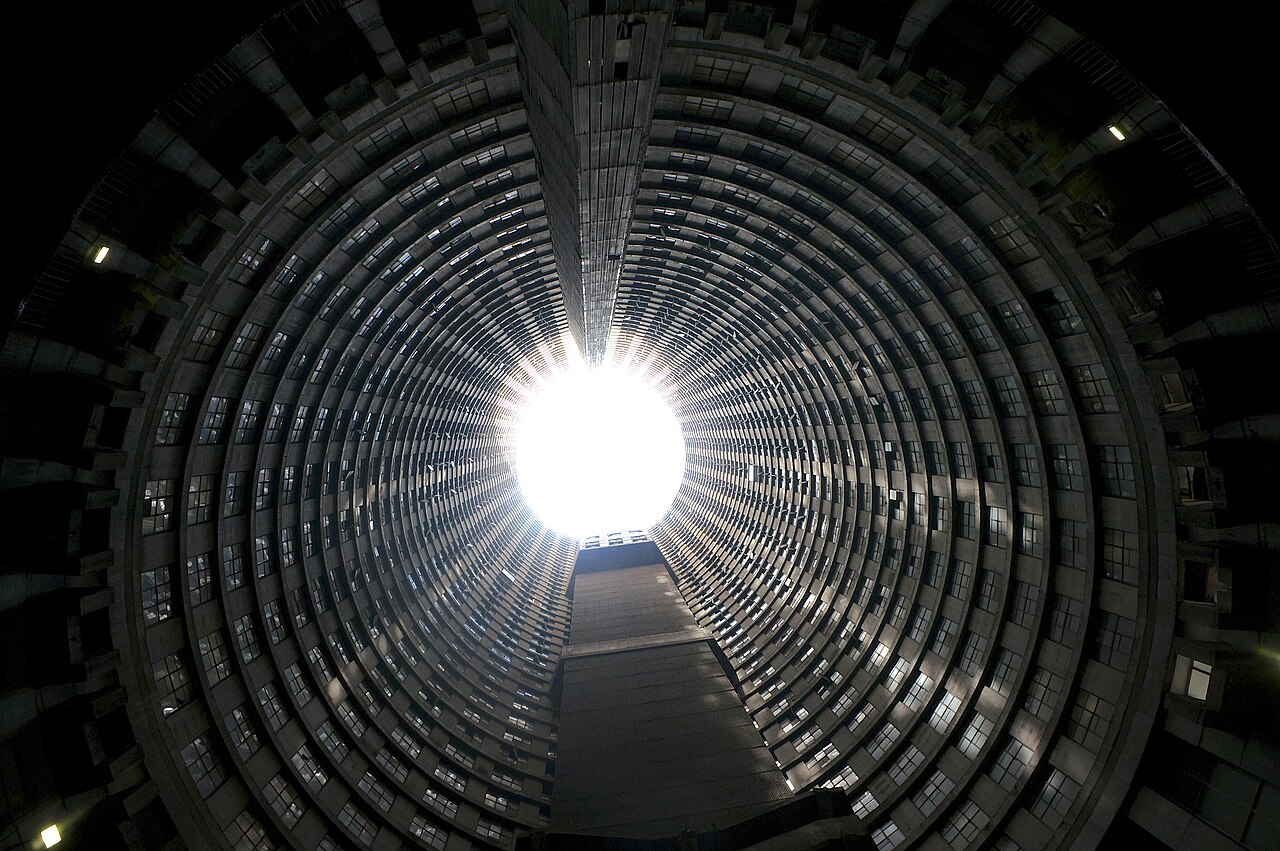
Walk down Fox Street in the Maboneng Precinct today and you'll encounter art galleries, craft breweries, and design studios occupying spaces that once housed abandoned warehouses and forgotten manufacturing plants. It's a far cry from the 1990s, when this part of Johannesburg was simply somewhere you didn't go after dark. This transformation—from post-industrial decay to creative epicentre—encapsulates the broader evolution of the city's cultural identity over the past three decades.
The story begins in the early 2000s, when pioneering developers and artists saw potential where others saw blight. The Maboneng Precinct, initially a collection of crumbling Victorian-era buildings in the inner city, became a laboratory for urban renewal. Today, the district draws roughly 100,000 visitors monthly, with spaces like Hallmark House and Arts on Main now housing permanent collections and rotating exhibitions. Similar patterns emerged in Braamfontein, where the Standard Bank Gallery and Goodman Gallery established themselves as serious contemporary art institutions, anchoring a neighbourhood previously known for its transience.
But this isn't simply a story of gentrification. Johannesburg's cultural evolution reflects deeper questions about who gets to define the city's identity. Institutions like the Apartheid Museum, which opened in 1999 on a former mine dump, and the nearby Museum Africa have worked to ensure the city's heritage narrative encompasses multiple voices—from liberation history to township culture, from Soweto's musical legacy to the city's Indian heritage in the Fordsburg district.
The numbers tell part of the story: Johannesburg's creative economy now contributes an estimated 2.3% to the city's GDP, with the cultural sector employing over 40,000 people directly. Yet challenges persist. Venues struggle with security concerns, and rising rents in newly fashionable areas have displaced longtime residents and smaller cultural operators.
What's emerged is a city actively grappling with its identity—neither erasing its complicated past nor imprisoned by it. The Newtown Cultural Precinct, anchored by the Market Theatre, continues to incubate experimental work. Independent galleries in Rosebank compete with institutional heavyweights. Street art flourishes in Woodstock and reaches into the CBD, marking territory and asserting voice.
Three decades into democracy, Johannesburg's cultural scene reflects a city still writing its own story—one gallery opening, one performance, one mural at a time.
This article was compiled by AI and screened before publishing. See our editorial standards.