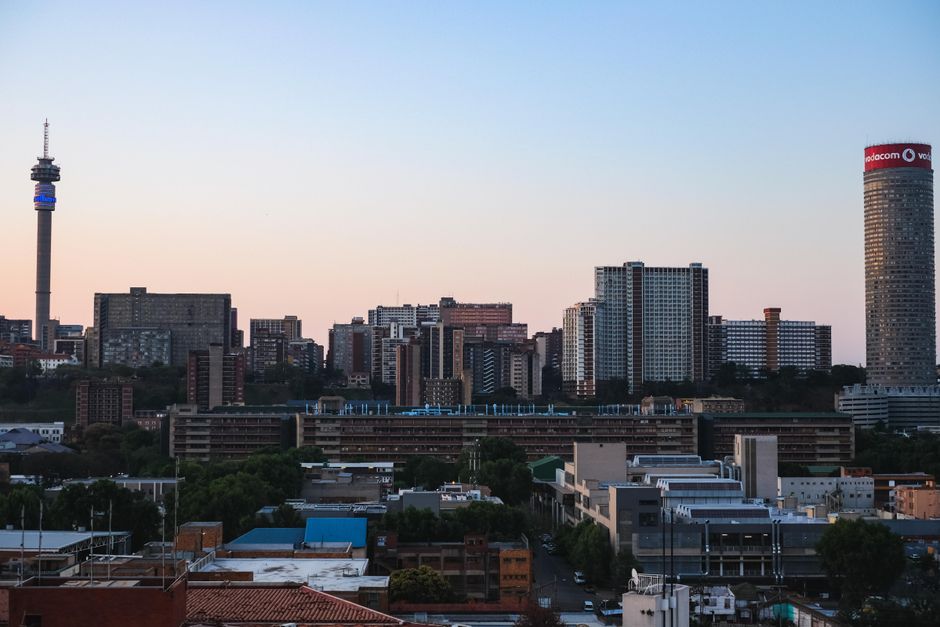
The innovation corridor stretching from Sandton through to Braamfontein has long positioned itself as Africa's answer to global tech hubs. But the geopolitical tremors reshaping international business are forcing Johannesburg's startup ecosystem to confront uncomfortable truths about its exposure to global instability.
The past 18 months have delivered a masterclass in how quickly the world can shift. Escalating US-Iran tensions, cryptocurrency's wild swings, and immigration pressures across the continent are directly impacting founders operating from Johannesburg's increasingly crowded co-working spaces and innovation hubs. LaunchLab in Braamfontein and the growing cluster of tech companies in the Rosebank precinct are feeling the effects acutely.
Consider the talent drain. As anti-foreigner sentiment intensifies across South Africa, international founders and senior technologists are reconsidering their Johannesburg base. The city's startup ecosystem has historically relied on drawing talented migrant workers—engineers from Nigeria, product managers from Kenya, marketers from across the continent. That pipeline is narrowing. Simultaneously, South African entrepreneurs with global ambitions face mounting pressure to relocate entirely. One Sandton-based fintech founder told colleagues recently that three core team members had already made the move to Singapore in recent months.
Funding dynamics are equally treacherous. The recent surge in cryptocurrency values has created a bizarre bifurcation: some founders are raising capital more easily than ever, while others find traditional venture investors spooked by macroeconomic uncertainty. A R50-million Series A round that might have taken six months in 2024 now stretches into a prolonged negotiation. Meanwhile, the crypto boom is pulling some of Johannesburg's brightest technical minds toward speculative digital assets rather than building sustainable businesses solving real problems.
The volatility extends to cross-border operations. Johannesburg startups with international revenue face currency headwinds that slice into margins. Those dependent on US or UK investment are watching their local purchasing power fluctuate dramatically. Meanwhile, geopolitical uncertainty around the Strait of Hormuz and broader Middle Eastern instability could impact supply chains for hardware-focused ventures.
Yet there's an overlooked opportunity here. Global uncertainty typically accelerates innovation in underserved markets. Johannesburg founders solving problems for African contexts—fintech for unbanked populations, climate tech for water scarcity, logistics solutions for fragmented supply chains—are increasingly attractive to international investors seeking recession-proof growth. The city's relative insulation from the worst of global market volatility, paired with its access to 1.4 billion African consumers, remains a compelling narrative.
The question for Johannesburg's innovation leaders is whether the ecosystem can stabilise enough to capitalise on that advantage before the best talent migrates permanently.
This article was compiled by AI and screened before publishing. See our editorial standards.