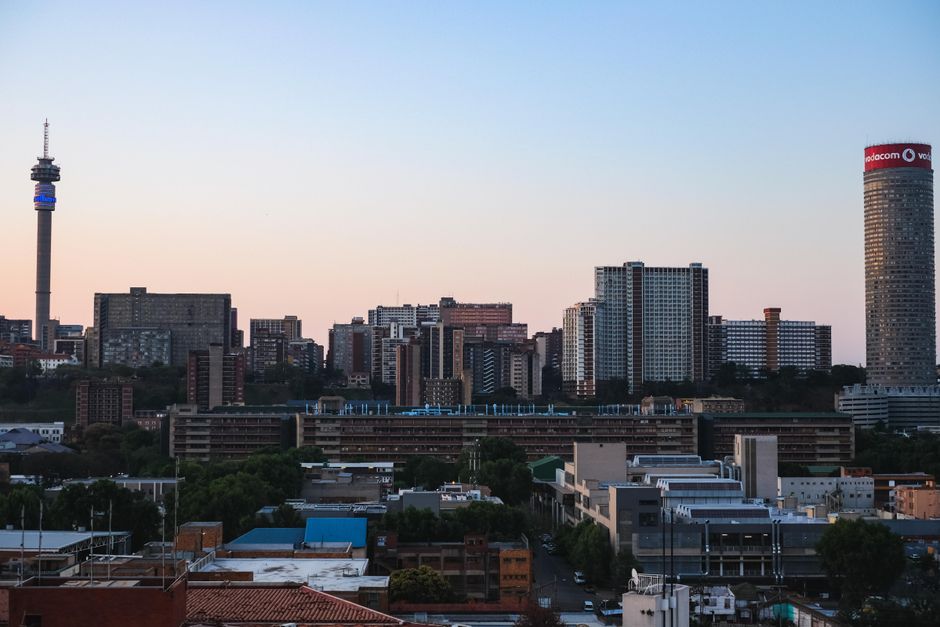
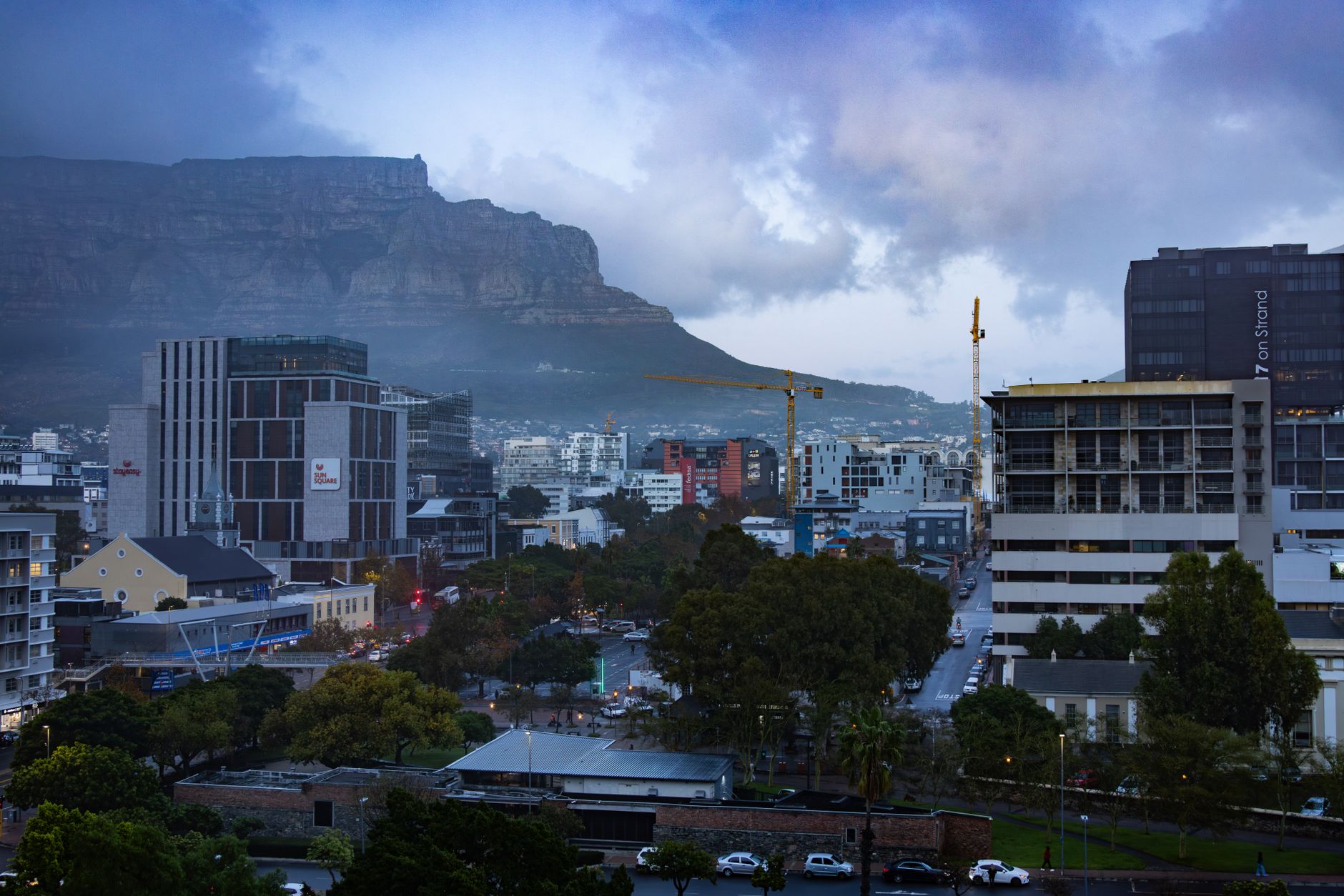
The gleaming towers of Sandton's business district tell a story of global ambition, but behind the glass facades of the JSE and corporate headquarters along Grayston Drive, anxiety is mounting. International trade—the lifeblood of Johannesburg's economy—is facing unprecedented headwinds in 2026, forcing businesses to recalibrate strategies that once seemed assured.
The numbers paint a sobering picture. Manufacturing exports from South Africa's industrial heartland have contracted 8.2% year-on-year, according to recent trade data, while shipping costs to key markets have remained stubbornly elevated. For companies operating in the Isando industrial corridor and beyond, margins are under assault from multiple directions simultaneously.
Protectionist policies rippling across major economies have created unpredictable tariff environments. Johannesburg's automotive and chemicals sectors—traditionally among the country's most robust exporters—now navigate constantly shifting trade rules. Companies that invested heavily in supply chain infrastructure two years ago find their calculations outdated monthly. The rand's volatility, fluctuating between 18.50 and 19.80 to the US dollar this quarter, has added another layer of complexity to pricing strategies.
Middle East tensions have disrupted shipping routes that Johannesburg traders depend on. The proposed Strait of Hormuz fee structure being negotiated could add 3-5% to transport costs for goods moving to Asian markets—a significant burden for businesses already operating on thin margins. Meanwhile, regional instability affecting neighbouring territories has compromised land-based supply chains that manufacturers historically relied upon.
Immigration pressures across the region, including within South Africa itself, have created labour market instability. Businesses in Midrand's tech and services sectors report difficulty retaining skilled personnel, while manufacturing faces production uncertainties.
Trade finance has also tightened. Banks operating from Johannesburg's financial district have become more cautious with letters of credit to emerging markets, raising costs for companies seeking to extend payment terms to international buyers. Currency hedging—once relatively affordable—now consumes a larger percentage of transaction values.
Yet some adaptation is visible. Companies are exploring nearshoring strategies, developing regional distribution hubs, and diversifying away from single-market dependencies. The Johannesburg Chamber of Commerce and Industry has reported increased inquiries about trade finance alternatives and supplier diversification.
For a city whose prosperity has long depended on seamless global commerce, 2026 represents a reckoning. Businesses that can navigate complexity, maintain currency discipline, and develop regional resilience may emerge stronger. Those locked into old supply-chain models face a more precarious path ahead.
This article was compiled by AI and screened before publishing. See our editorial standards.