Office Market Faces Perfect Storm: Johannesburg's Commercial Property Sector Braces for Tough 2026
Rising vacancy rates, remote work persistence, and capital flight are squeezing landlords and developers across the city's prime business districts.
Rising vacancy rates, remote work persistence, and capital flight are squeezing landlords and developers across the city's prime business districts.
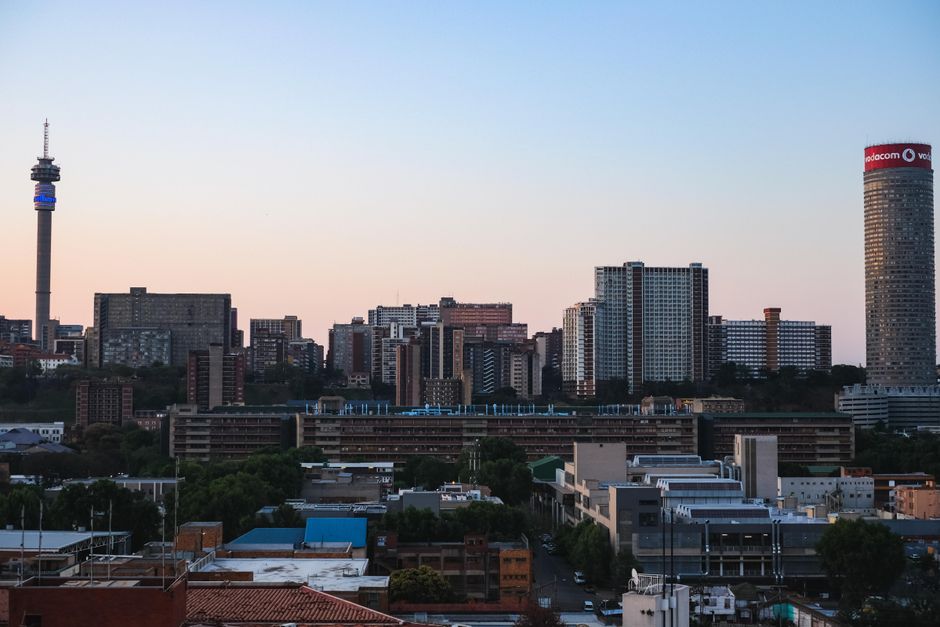
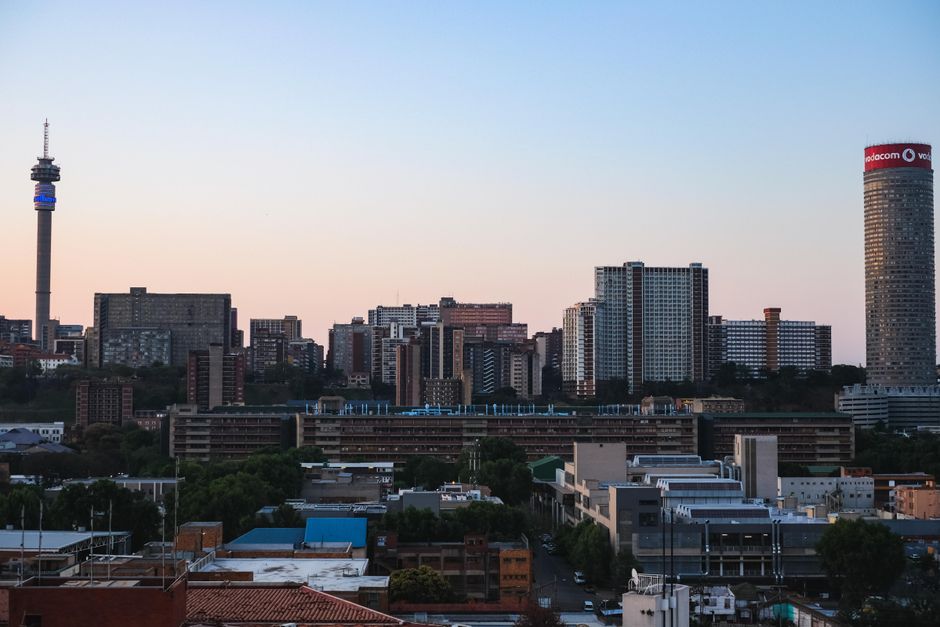
Johannesburg's commercial property sector is navigating one of its most challenging periods in recent memory, with landlords in Sandton, the Financial District, and along the Witwatersrand corridor facing a confluence of headwinds that show little sign of easing before year-end.
The vacancy rate in Johannesburg's A-grade office space has climbed to approximately 18% this year, according to industry trackers, significantly above the 12-15% range considered healthy for the market. In Sandton's business hubs around Grayston Drive and around the Johannesburg Stock Exchange precinct, the situation is particularly acute, with some premium towers reporting vacancy rates north of 22%.
The structural shift toward remote and hybrid working arrangements, accelerated by pandemic disruptions and now entrenched as corporate policy, continues to depress demand for traditional office footprint. Major financial services firms and multinational corporations have consolidated their Johannesburg operations, shedding leases in secondary-grade properties while renegotiating terms in flagship towers. This bifurcation is hollowing out mid-market buildings, particularly in less prominent locations around Braamfontein and Marshalltown.
Capital constraints amplify the pressure. Johannesburg's commercial property investment market has contracted sharply, with foreign institutional investors—traditionally crucial for stabilising valuations—exercising heightened caution amid broader economic uncertainty. Local institutional investors, including pension funds and insurance companies, have reduced their real estate allocations, leaving fewer buyers for distressed assets.
Rental compression is inevitable. While prime A-grade space in Sandton still commands R200-250 per square metre per annum, secondary properties are experiencing downward pressure, with some landlords forced into incentive packages—free rent periods, tenant allowances—just to retain occupiers. The economics of conversion into alternative uses remain prohibitively expensive for most developers.
The broader macroeconomic backdrop provides scant relief. Load-shedding continues to drive up operational costs, while the rand's weakness increases the burden on dollar-denominated debt for property companies with international borrowings. Simultaneously, political uncertainty—including ongoing concerns about policy direction and social stability—continues to weigh on investor confidence and corporate expansion plans.
For property managers and developers, the message is clear: the sector must adapt or contract further. Some are exploring mixed-use redevelopment of underperforming office stock, converting older buildings into residential or hospitality uses. Others are betting on flight to quality, banking that Johannesburg's best-located, most efficient buildings will ultimately survive the downturn. But survival, not growth, appears to be the operative strategy across much of the commercial property industry right now.
This article was compiled by AI and screened before publishing. See our editorial standards.
How does this story make you feel?
Spread the word
About this article
Published by The Daily Johannesburg
Daily brief
Free, in your inbox before 7am. Weekdays.
More in Business