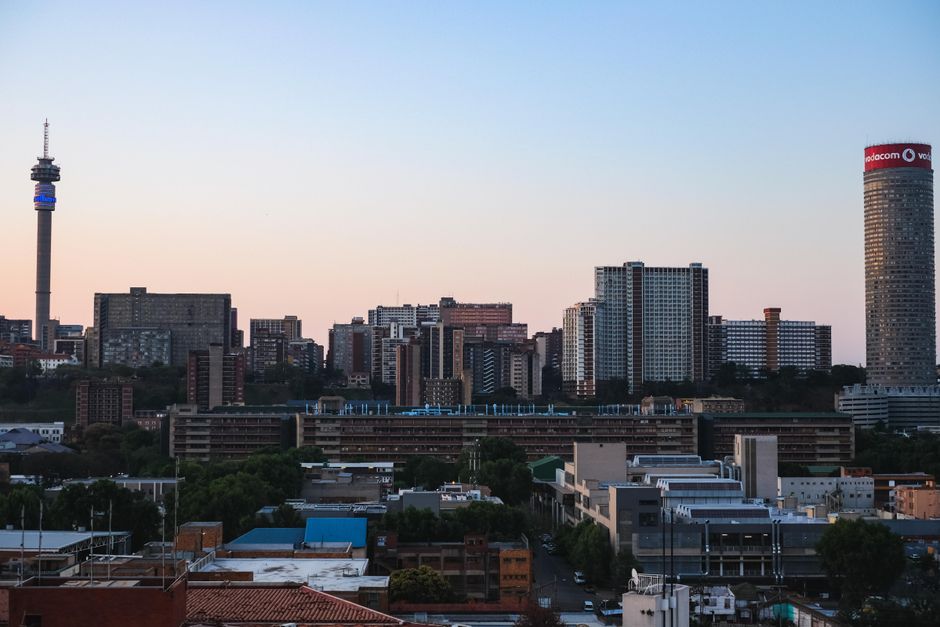
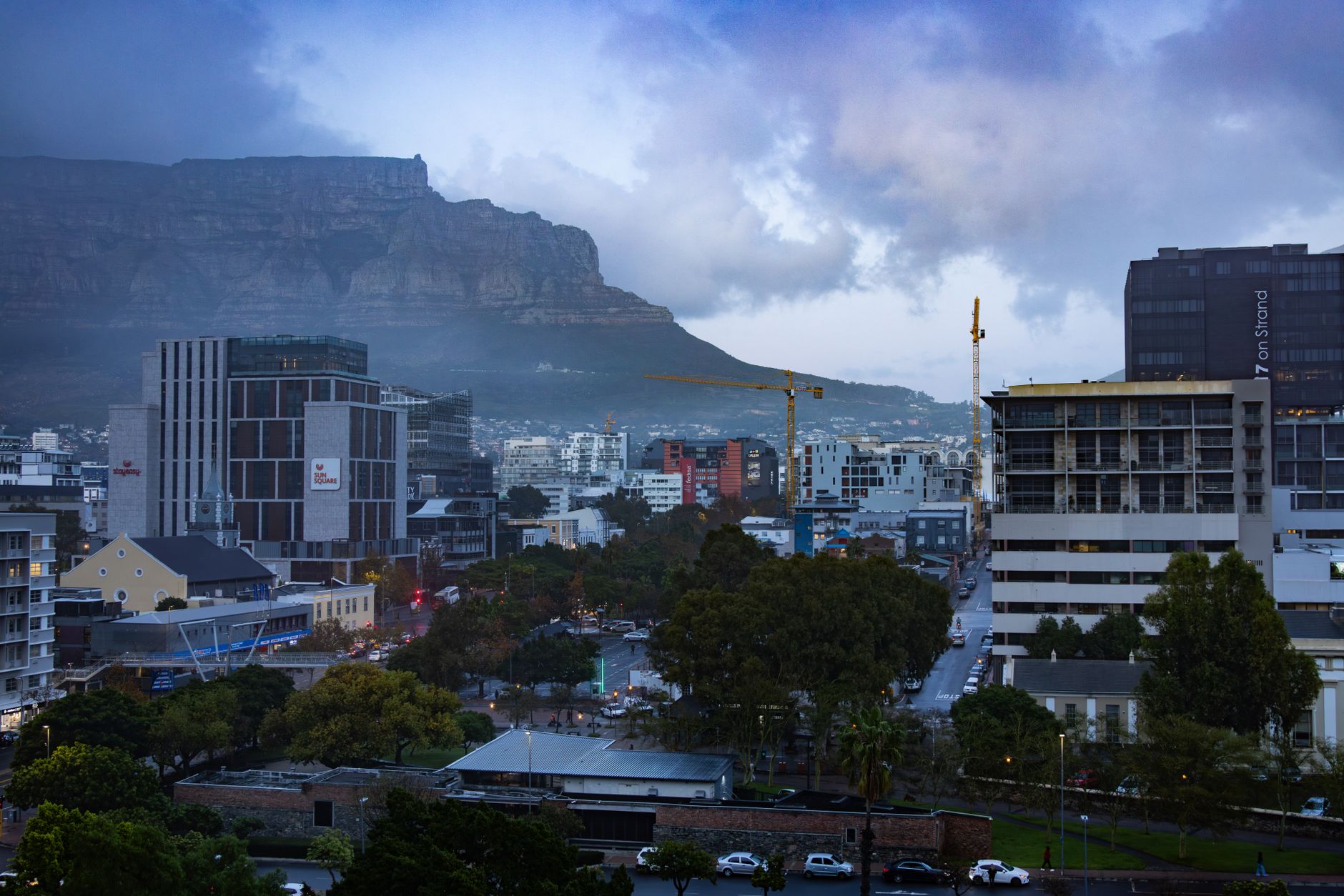
The rooftop bars of Maboneng have always promised views of a city on the rise. Today, hoteliers gazing across Johannesburg's skyline see something darker: the clearest picture yet of an industry under siege.
Tourism to South Africa's economic heartland is stumbling. International arrivals to Johannesburg are tracking 12% below 2025 levels, according to preliminary data from the Johannesburg Tourism Company. Hotel occupancy in the Sandton and Rosebank precincts—the city's premium hospitality zones—has slipped to 68%, down from 76% this time last year. For a sector that contributes an estimated R47 billion annually to Gauteng's economy and employs nearly 95,000 people directly, these numbers sting.
The culprits are manifold. Xenophobic violence and anti-immigration protests have kept potential visitors away. News footage of demonstrations in townships and on the edges of the CBD ripples across international media channels, warping perceptions of safety. Tour operators report cancellations from European and American markets, where travel advisories have become more cautious. One established Joburg-based safari and city tour operator noted a 35% drop in bookings for the second quarter alone.
But the problem extends beyond the border. Global instability—from Middle Eastern tensions to deepening economic uncertainties in traditional source markets—has compressed leisure travel budgets worldwide. Business tourism, typically Johannesburg's reliable backbone, has weakened as multinational conferences migrate to perceived safer havens or shift online. The annual gatherings that once filled the Johannesburg Convention Centre's calendar have thinned noticeably.
Add currency volatility to the mix. The rand's fluctuations make South African holidays unpredictable for price-sensitive tourists, while competitors in the region have sharpened their value propositions. Average hotel rates in Johannesburg remain competitive globally—a four-star room in Illovo or around the Precinct averages around R1,800 to R2,200 per night—yet booking conversion rates have deteriorated.
Attractions from the Apartheid Museum to the Soweto Uprising Memorial have weathered downturns before, but the cumulative weight of this moment is different. Recovery, industry insiders acknowledge, hinges on three things: visible restoration of public confidence and safety perception, stabilisation of the broader geopolitical environment, and aggressive destination marketing to remind the world that Johannesburg remains Africa's most cosmopolitan gateway.
Without swift intervention, 2026 may be remembered as the year the city's tourism momentum stalled—a reminder that even the most resilient destinations are not immune to the shocks rippling across our fractured world.
This article was compiled by AI and screened before publishing. See our editorial standards.