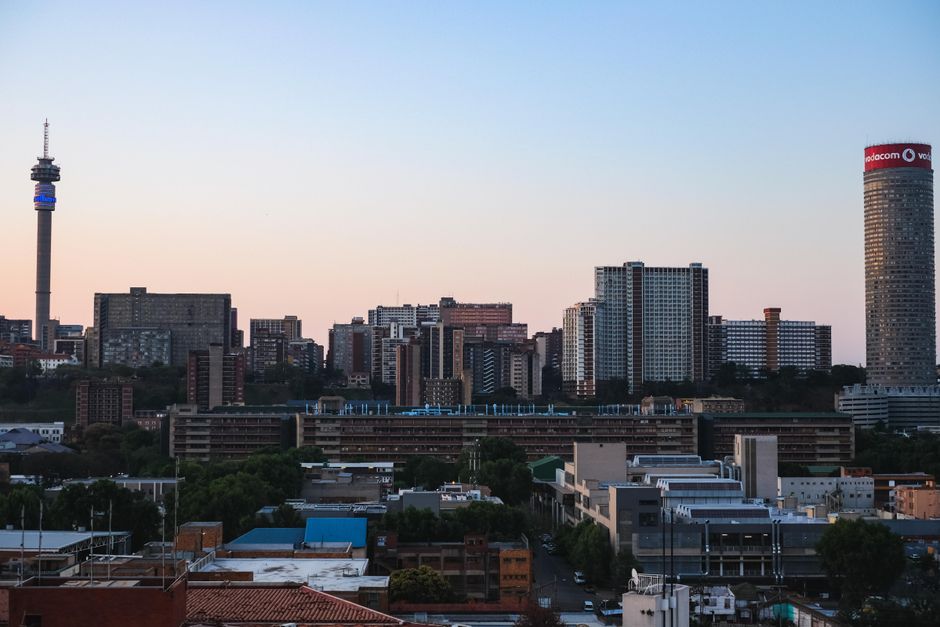
Johannesburg's retail hospitality sector is experiencing a quiet but unmistakable shift, and the winners are those who've adapted fastest to changing consumer patterns. While chain restaurants and established shopping districts face margin pressure, a different story is unfolding in pockets across the city where independent operators and niche concepts are thriving.
The trend is clearest in Braamfontein, where the conversion of former industrial spaces into casual dining destinations has accelerated dramatically over the past 18 months. Venues offering everything from artisanal coffee to craft beverages are drawing younger professionals away from the traditional Sandton dining corridor. The foot traffic in the precinct has grown by an estimated 35% according to local business improvement district data, with average transaction values holding steady even as venue density increases.
What's driving this? Several factors converge. First, the post-pandemic consumer is prioritising experience and authenticity over brand recognition. Second, remote work flexibility means daytime hospitality—previously dominated by office workers—now includes a broader demographic. Third, premium pricing power appears strongest for venues offering genuine differentiation rather than replicating global chains.
The data supports this. Independent restaurants across Johannesburg's key precincts are reporting year-on-year revenue growth of 12-18%, while several established international franchise operations have consolidated locations in the past two years. Smaller, owner-operated establishments in areas like Maboneng and around the Design District are particularly benefiting from reduced rental overheads and the ability to pivot quickly on menu and service offerings.
Retail beyond food shows parallel dynamics. Specialty shops—focused groceries, wellness products, and curated goods—are outperforming general merchandise retailers. Store footfall data suggests consumers are making fewer, more intentional shopping trips, but spending more per visit when they do.
The opportunity emerging, then, is clear: operational agility and authenticity matter more than scale. Owners who've invested in staff training, local sourcing, and distinctive positioning are capturing disproportionate margins. Those relying on volume or established brand equity alone are feeling the pressure.
For entrepreneurs and established operators alike, the lesson from Johannesburg's current retail hospitality landscape is that the city's market is rewarding specificity. The next 12 months will likely accelerate this trend, making early movers in underserved neighbourhoods and genuine niche concepts the real winners in this evolving market.
This article was compiled by AI and screened before publishing. See our editorial standards.