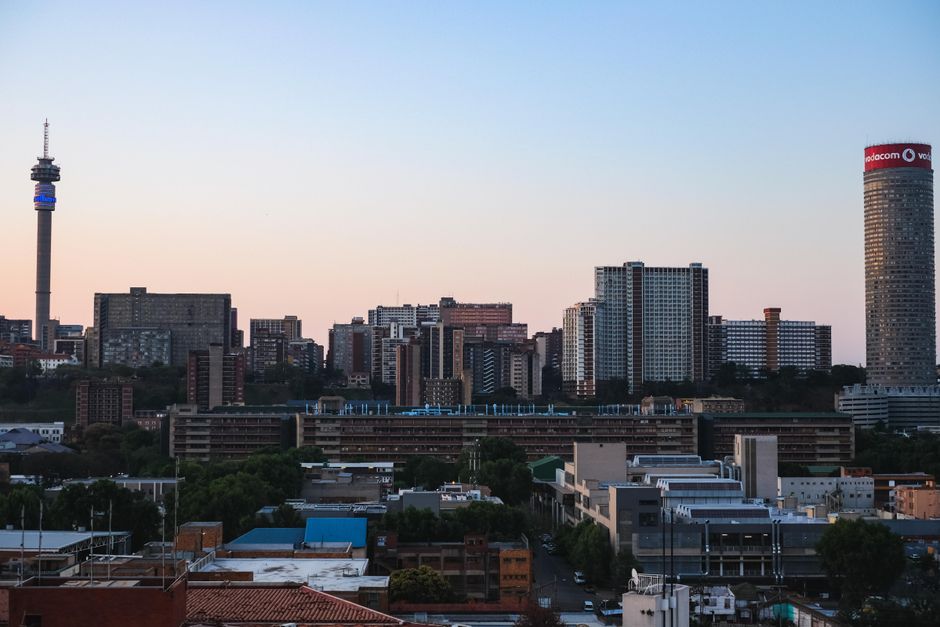
In the gleaming towers of Sandton's financial district, investment has long been the preserve of those who could afford premium brokerage fees and six-figure minimum deposits. But a growing number of Johannesburg entrepreneurs are challenging that gatekeeping, recognising an untapped market in the city's stretched middle class desperately seeking ways to build wealth amid inflation pushing 5% and mortgage rates climbing past 10%.
The shift reflects a broader reality facing residents from Rosebank to Fourways: household budgets are tightening. With petrol costs fluctuating above R22 per litre and property taxes rising across the municipality, ordinary Joburgers are hunting for investment vehicles that don't require selling the family home. Enter a new generation of fintech operators who've built platforms specifically designed for the African investor with limited capital but serious ambition.
These entrepreneurs have identified a critical gap. Traditional asset managers in South Africa typically target clients with R500,000 or more to invest—a ceiling far beyond reach for most professionals. Monthly inflation pressures mean the average Johannesburg household struggles to save 10% of disposable income. Yet paradoxically, investment platforms globally are proving that fractional ownership and low-cost index tracking can unlock participation from those previously excluded.
The timing is propitious. Global crypto volatility—which saw institutional players rake billions in recent years—has paradoxically educated a generation of ordinary South Africans about alternative assets. Simultaneously, persistent currency weakness and load-shedding-induced economic uncertainty have made international diversification feel less like luxury and more like necessity for those in higher tax brackets across Sandton and the northern suburbs.
What distinguishes today's Johannesburg-based fintech innovators is their deep understanding of local pain points. They've engineered platforms that integrate with the South African Reserve Bank's requirements while remaining affordable enough for someone earning R35,000 monthly to begin building a portfolio. Some offer automated savings features that round up daily purchases, converting micro-savings into investments—turning a coffee in Melville into a fractional ETF unit.
The regulatory environment, once a barrier, is thawing. The FSCA's increased focus on financial inclusion has created space for licensed operators to innovate without the stifling compliance costs that historically benefited only established players.
For a city where wealth inequality remains stark—where penthouse penthouses in Sandton overlook townships still wrestling with basic service delivery—these platforms represent something potentially transformative: not wealth redistribution, but wealth accessibility.
This article was compiled by AI and screened before publishing. See our editorial standards.