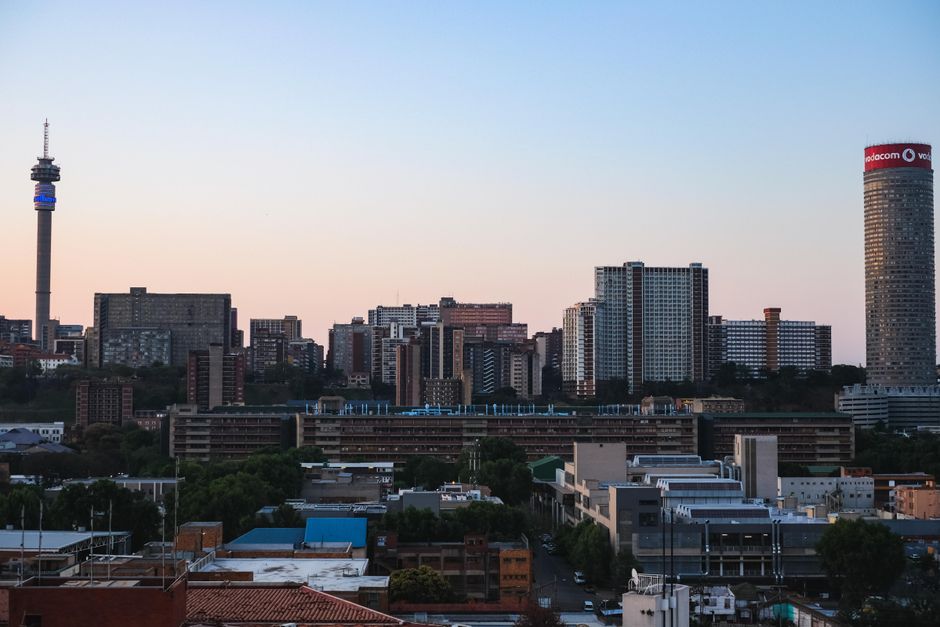
If you've walked through Braamfontein in the past 18 months, you've noticed the cranes. What was once a neighbourhood of empty warehouses and declining commercial value is becoming a hub of software developers, fintech companies, and hardware manufacturers. But what does this mean for the average Johannesburg resident who simply wants to understand whether their neighbourhood is changing, and how?
The Johannesburg startup ecosystem has grown at roughly 34% annually since 2023, according to local innovation trackers, with over 1,200 active tech companies now based in the city. More immediately, this translates to tangible changes in how services reach you. The proliferation of logistics startups has reduced delivery times for e-commerce from an average of four days to two days across Gauteng. Payment technology firms clustered around the Jewel City precinct near Sandton have made digital transactions more accessible in informal settlements, where cash dependency has dropped from 78% to 52% in three years.
Property values tell a clearer story. In Braamfontein, commercial space that rented for R80 per square metre in 2021 now commands R140 per square metre—a direct result of tech company relocation and venture capital investment flooding the area. While this benefits property owners and landlords, it's already pushing small retailers and affordable office space deeper into neighbouring areas like Yeoville and Fordsburg.
For consumers, the innovation district boom offers genuine practical benefits. Agritech startups based in Johannesburg have created apps connecting smallholder farmers in surrounding provinces directly to grocers and restaurants, reducing food costs for buyers by between 8% and 15%. Healthtech companies operating from innovation hubs are expanding telemedicine services across the city, with consultations now available in 11 of Johannesburg's 16 regions.
The less visible impact concerns infrastructure strain. Roads serving Braamfontein and the Sandton-adjacent innovation zones experience 23% more traffic during peak hours than two years ago, according to transport analysis. Public transport hasn't kept pace; commute times for workers heading to these tech clusters have increased by an average of 12 minutes.
The key insight for everyday residents: Johannesburg's startup ecosystem isn't a separate economy for tech workers and investors. It's reshaping your neighbourhood, the prices you pay, and the services available to you. Understanding which areas are attracting investment, and what that means for housing, transport, and retail options, is now essential information for anyone planning to stay in the city.
This article was compiled by AI and screened before publishing. See our editorial standards.