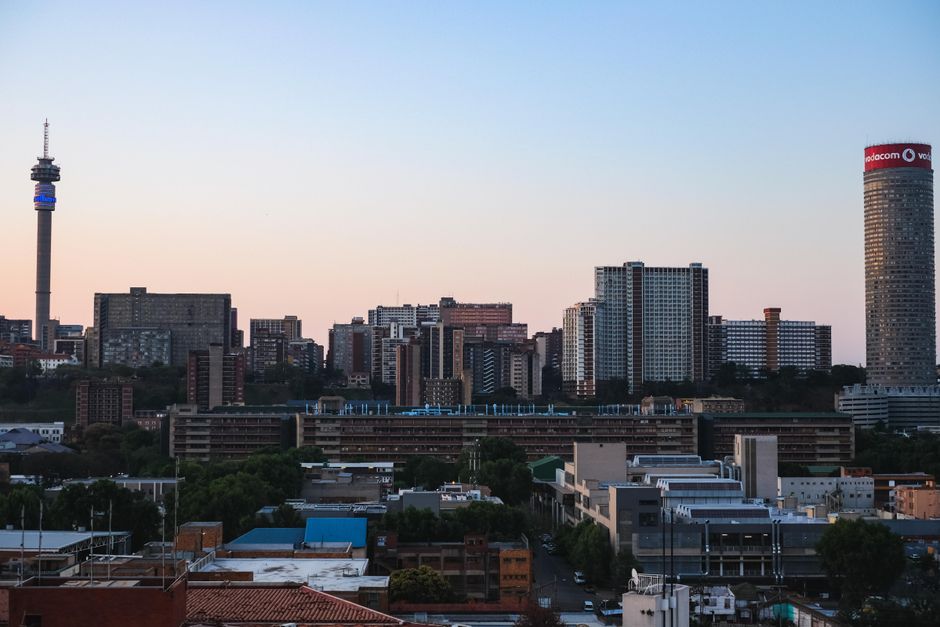
Johannesburg's visitor economy is experiencing a renaissance that extends far beyond the usual conference circuit. New data from the Johannesburg Tourism Company shows international arrivals have climbed 34% year-on-year, outpacing recovery forecasts and creating a window of opportunity that established players are already exploiting—while new entrants fight for a foothold.
The windfall is reshaping the city's hospitality landscape. Five-star properties like those clustered around the Sandton precinct are reporting occupancy rates above 85%, with room rates climbing accordingly. But the real gains are flowing to mid-market operators who understood the shift faster. Boutique hotels in the revitalised Maboneng Precinct, once considered a risky venture, now command premium positioning through their authentic neighbourhood appeal. Several have expanded capacity or launched sister properties within Johannesburg's core zones.
"The market has bifurcated," explains analysis from the SA Tourism Board. Luxury establishments dominate conferences and corporate retreats, while leisure travellers increasingly seek experience-driven accommodation—craft breweries, art galleries, heritage walking tours—concentrated in inner-city neighbourhoods redeveloped over the past five years.
Food and beverage operators on Keyes Avenue and around the Braamfontein corridor have benefited disproportionately. Restaurant groups that invested early in the precinct's regeneration are now facing capacity constraints during peak seasons, with some implementing reservation systems to manage demand. This has created openings for newer ventures, though securing prime real estate at reasonable rates remains challenging.
The transportation sector has also captured growth. Ride-hailing platforms report 28% more cross-city journeys initiated by visitors navigating between Sandton's corporate hub, the cultural offerings of the Apartheid Museum and Constitution Hill, and the emerging dining strips in Parkhurst and Melville.
Yet challenges persist. Infrastructure gaps—from reliable Wi-Fi in heritage precincts to coordinated tourist signage—remain constraining factors. Some operators report frustration with inconsistent service standards across the visitor supply chain, which may be limiting repeat visitation and average spend per tourist.
The most successful beneficiaries share a common trait: they invested in authentic local content before the surge accelerated. This positions Johannesburg differently from cities competing primarily on luxury or beach appeal. The opportunity window remains open, but competitive advantage increasingly flows to those already embedded in the city's narrative.
This article was compiled by AI and screened before publishing. See our editorial standards.