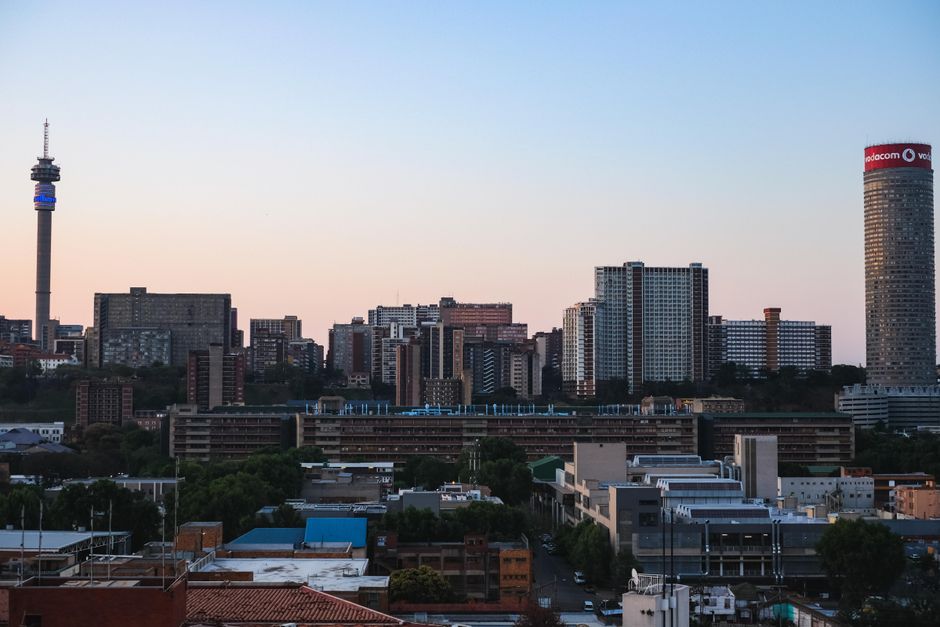
Johannesburg's visitor economy is experiencing a remarkable recovery, and it's triggering a fundamental shift in how the city's job market operates. New data suggests international arrivals to Gauteng have climbed 34% year-on-year, with Johannesburg capturing the lion's share as the primary gateway for leisure and business travellers. The ripple effects are now visible across employment patterns, wage structures, and talent acquisition in ways that extend far beyond the hospitality sector itself.
The surge is most visible in the city's entertainment and accommodation corridors. Neighbourhoods like Sandton, Rosebank, and the Maboneng Precinct are experiencing a building boom of boutique hotels, experiential venues, and tourist-facing restaurants. The Apartheid Museum and Soweto Heritage Routes have seen visitor throughput increase by nearly 40% in the past 18 months, according to industry bodies, creating cascading demand for tour guides, customer service specialists, and creative directors who can craft compelling local narratives.
But the real story lies in what economists call the "multiplier effect." Tour operators, event planners, and destination management companies are now competing aggressively for university graduates and mid-career professionals. Entry-level positions in hospitality management that commanded salaries around R180,000–R220,000 annually are now advertised at R260,000–R300,000, with signing bonuses appearing in premium roles. This wage inflation is pushing talented workers away from traditional corporate sectors—finance, consulting, and retail—creating visible talent shortages in those industries.
Professional services firms in the Johannesburg CBD are reporting increased difficulty retaining junior staff lured by tourism and creative industries. HR consultancy data from the first half of 2026 indicates hospitality and tourism sectors have poached an estimated 12% of entry-level talent from other service industries. Meanwhile, smaller businesses—restaurants, galleries, and independent tour companies operating from spaces in areas like Braamfontein and the Arts on Main precinct—are struggling to compete with larger hotel chains and corporate-backed tourism ventures for skilled workers.
The city's education and training landscape is beginning to respond. Johannesburg's hospitality and tourism colleges report enrolment increases of 28% for 2026, particularly in languages, cultural heritage studies, and customer experience management. However, skills are not keeping pace with demand, creating a bottleneck that threatens to cap growth potential.
For Johannesburg's broader economy, this reshuffling represents both opportunity and risk. The tourism sector's expansion is genuinely creating wealth and diversifying the city's income sources. Yet without intentional investment in training and talent pipeline development, the city risks squeezing other sectors and leaving pockets of the job market with unmet demand. The question now is whether Johannesburg's business and civic leadership will strategically manage this transition or allow market forces alone to dictate outcomes.
This article was compiled by AI and screened before publishing. See our editorial standards.