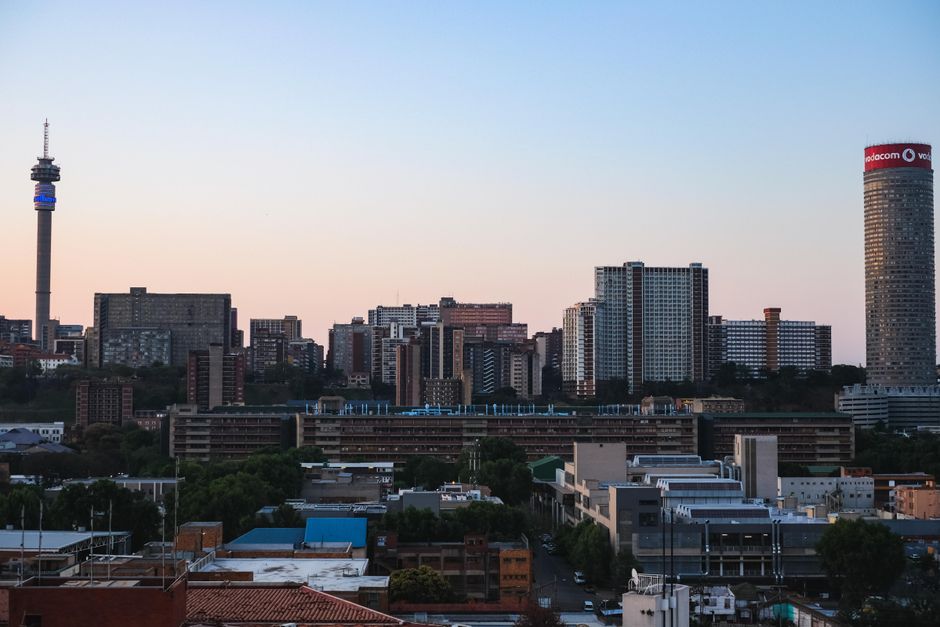
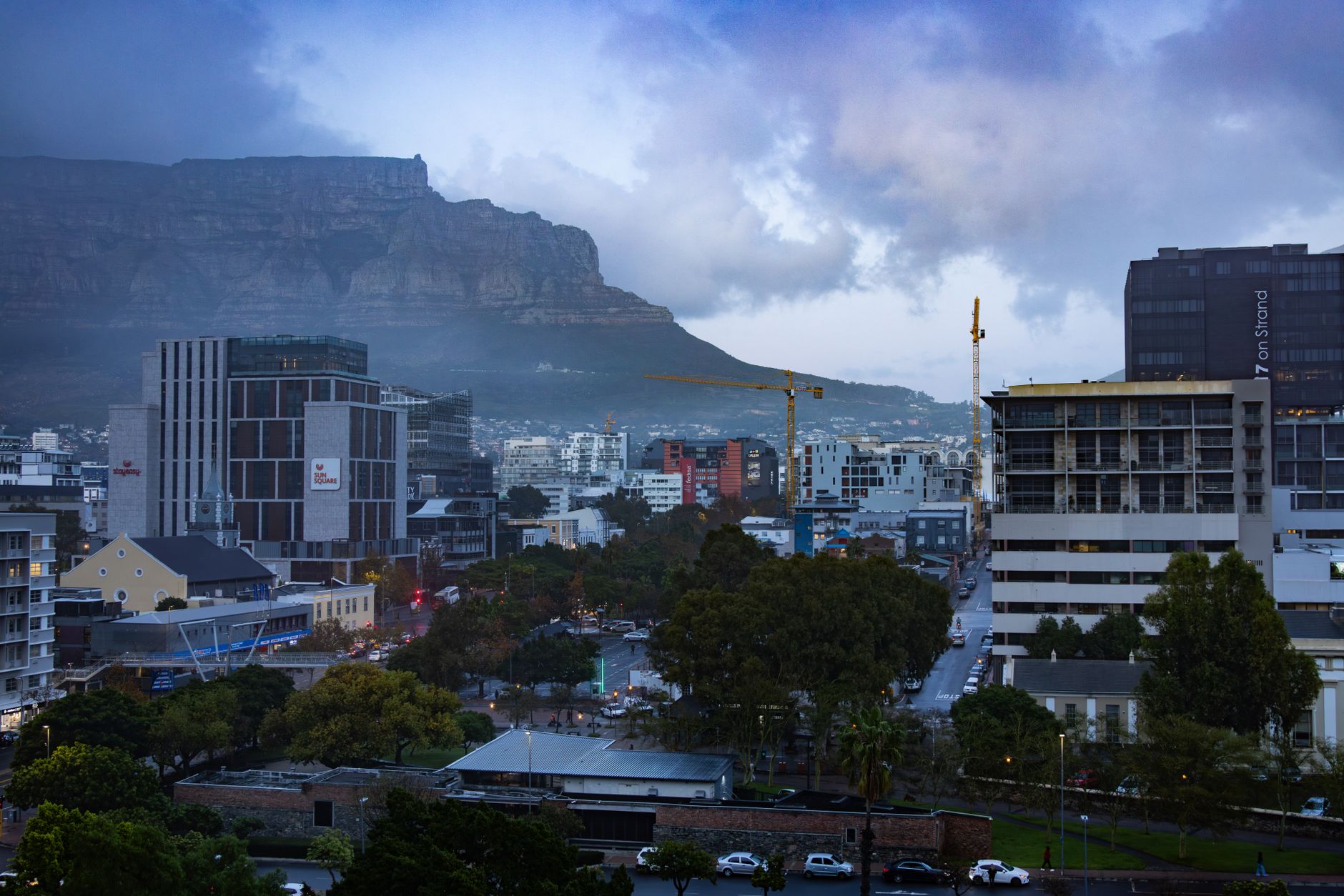
Walk through the Sandton shopping district or grab coffee in Braamfontein, and you'll hear the same worry echoing across lunch tables: money isn't stretching the way it used to. For Johannesburg residents navigating everything from bond repayments to school fees, understanding what's happening to your finances has become less of an option and more of a survival skill.
The South African Reserve Bank's decision to hold the repo rate at 8.25% this year has had a ripple effect across the city. For a middle-income household carrying a R2.5 million bond in suburbs like Illovo or Fourways, this translates to roughly R15,000-plus monthly payments—money that could otherwise go towards groceries, transport, or savings. The question consuming residents isn't just whether rates will drop; it's how to absorb the pressure in the meantime.
Inflation remains stubbornly above the SARB's 4.5% midpoint target. Petrol prices fluctuate with dollar movements, making commutes from areas like Roodepoort or Randburg increasingly unpredictable. A loaf of bread at Pick n Pay on Oxford Road costs markedly more than it did 18 months ago. Fresh produce at the Bruma Flea Market reflects seasonal pressures and supply chain realities that hit household budgets hardest.
The investment side presents a different puzzle. Ordinary residents have been watching crypto volatility play out in global headlines, but locally, most Johannesburg savers are more concerned with straightforward instruments: unit trusts, retirement annuities, and fixed deposits. After years of low returns, some are taking calculated risks they might otherwise avoid—a dangerous position when savings are already stretched thin.
What compounds the pressure is the employment landscape. Job losses in sectors ranging from retail to finance mean many households in areas like Rosebank and the CBD are managing on single incomes or gig work. Emergency savings—the financial cushion that typically carries you through unexpected shocks—are depleted faster than they can be rebuilt.
The hard truth for everyday Johannesburg residents is this: there are no magic solutions waiting in the next interest rate decision or investment trend. Your best move involves three unglamorous fundamentals. First, audit what you're actually spending—many residents are genuinely shocked when they track their money flow honestly. Second, prioritize debt reduction over new investments while rates remain elevated. Third, build even modest emergency savings; R500 monthly beats zero every single time.
The city's economic outlook depends partly on national policy, but your personal financial outlook depends on decisions you can make right now.
This article was compiled by AI and screened before publishing. See our editorial standards.