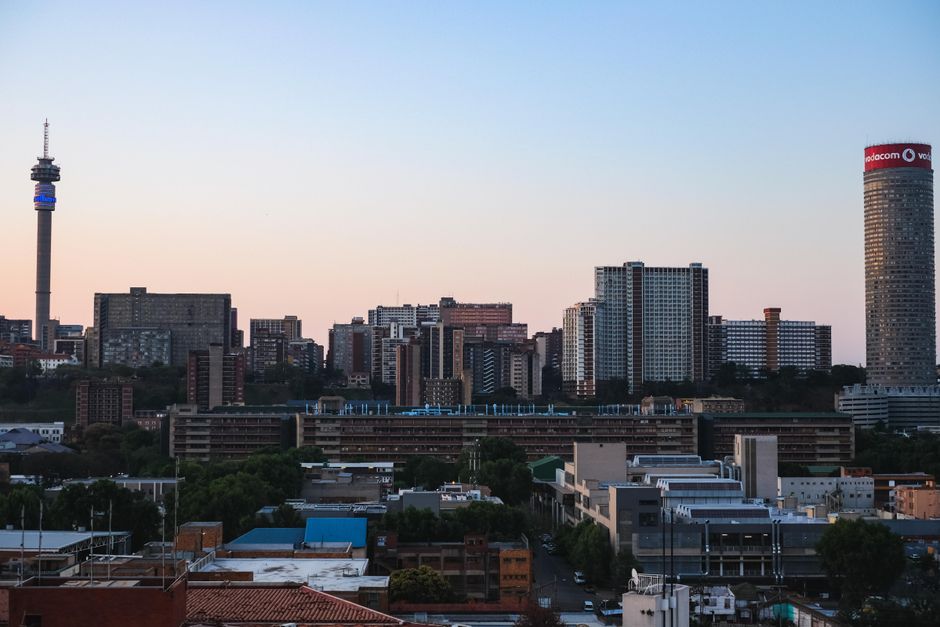
The boutique hotels dotting Maboneng and the high-end restaurants lining Sandton's business district are experiencing a profound shift in visitor patterns, driven not by local factors but by forces thousands of kilometres away.
International tensions—particularly the escalating rhetoric affecting Middle Eastern stability and broader trade relationships—are reshaping travel decisions in ways that directly hit Johannesburg's visitor economy. Hotel occupancy in the CBD and northern suburbs, which typically peaks at 72% during winter months, has plateaued at 64% this quarter, according to hospitality sector data. For a city that generates approximately R18 billion annually from international visitors, these percentage-point drops translate to millions in lost revenue.
The knock-on effects are being felt across the entire ecosystem. Uber drivers report longer wait times between airport runs. Tour operators specialising in Cradle of Humankind excursions from Johannesburg have consolidated routes, reducing daily departures by 15%. Fine dining establishments around Nelson Mandela Square report table cancellations from regular corporate travellers who are reconsidering international trips altogether.
Currency volatility compounds the problem. The rand's recent weakness against major currencies should theoretically make South Africa cheaper for foreign visitors. Instead, travellers from economically uncertain regions are postponing discretionary spending entirely. American visitors—historically Johannesburg's largest international demographic—are dividing their African travel budgets differently, with some redirecting funds to less geopolitically volatile destinations.
Businesses are adapting quickly. Some luxury hotels in the Rosebank and Sandton precincts are shifting marketing focus toward African regional travellers, particularly from Nigeria and Kenya, who represent growing but underutilised markets. Conference and events management companies are aggressively pursuing domestic corporate bookings to offset international shortfalls.
What distinguishes this moment is the speed of impact. Unlike previous downturns tied to local factors, international instability travels at the speed of news cycles and airline bookings. A single geopolitical development in the Middle East today can affect Johannesburg hotel revenues within 48 hours.
Business owners acknowledge they cannot control global events, but they're learning to monitor them closely. The Chamber of Commerce has begun hosting quarterly briefings on international developments affecting tourism patterns. Strategic positioning—whether competing on price, pivoting to new markets, or diversifying revenue streams—has become essential survival strategy for operators across Johannesburg's visitor economy.
This article was compiled by AI and screened before publishing. See our editorial standards.