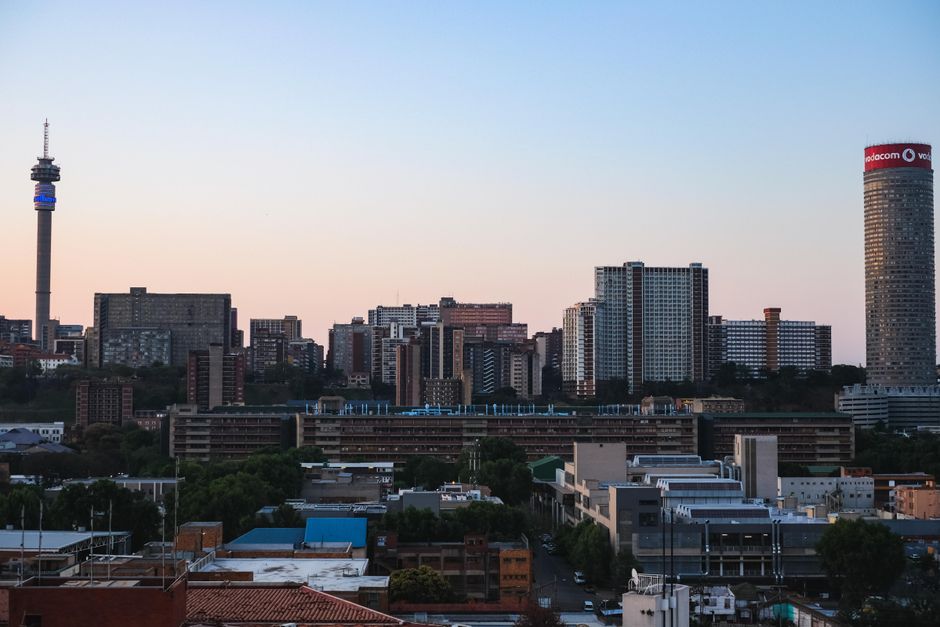
In a converted warehouse behind the Parkhurst Centre, surrounded by circuit boards and 3D printers, Ntombifuthi Dlamini is quietly building one of Johannesburg's most compelling business stories. Her company, NexGen IoT Solutions, has just closed a R8.5-million Series A funding round—a milestone that underscores the city's growing appetite for homegrown tech entrepreneurs with grit and vision.
Three years ago, Dlamini was working as an electrical engineer at a multinational firm in Sandton, frustrated by the gap between corporate environments and real-world problem-solving. In 2023, she took the leap, investing her savings into a 400-square-metre workshop space off 4th Avenue in Parkhurst. "I wanted to build something tangible," she explains. "Something that solved problems for South African businesses, not just Western ones."
NexGen IoT Solutions develops affordable IoT monitoring systems for small-to-medium manufacturing enterprises across Gauteng. The company's flagship product—a smart sensor suite that tracks production efficiency—costs around R35,000 per installation, roughly 40% less than international competitors. For a sector where margins are thin and capital is tight, the pricing has proven transformative.
Today, NexGen counts 47 manufacturing clients across the Johannesburg and Pretoria industrial belts. Their technology now monitors everything from textile production in Wadeville to food manufacturing plants in Pomona. Revenue for the financial year ending May 2026 reached R2.3 million—modest by global standards, but remarkable for a three-person operation that bootstrapped its way to market.
The funding round, led by a consortium of local angel investors and the Johannesburg Development Agency's tech fund, validates both Dlamini's product-market fit and the city's shifting investment landscape. "What's happening here matters," says venture analyst Dr Kagiso Molefe. "Johannesburg has historically exported its best talent. Now we're seeing founders build companies here because the ecosystem—mentorship, capital, technical expertise—actually supports them."
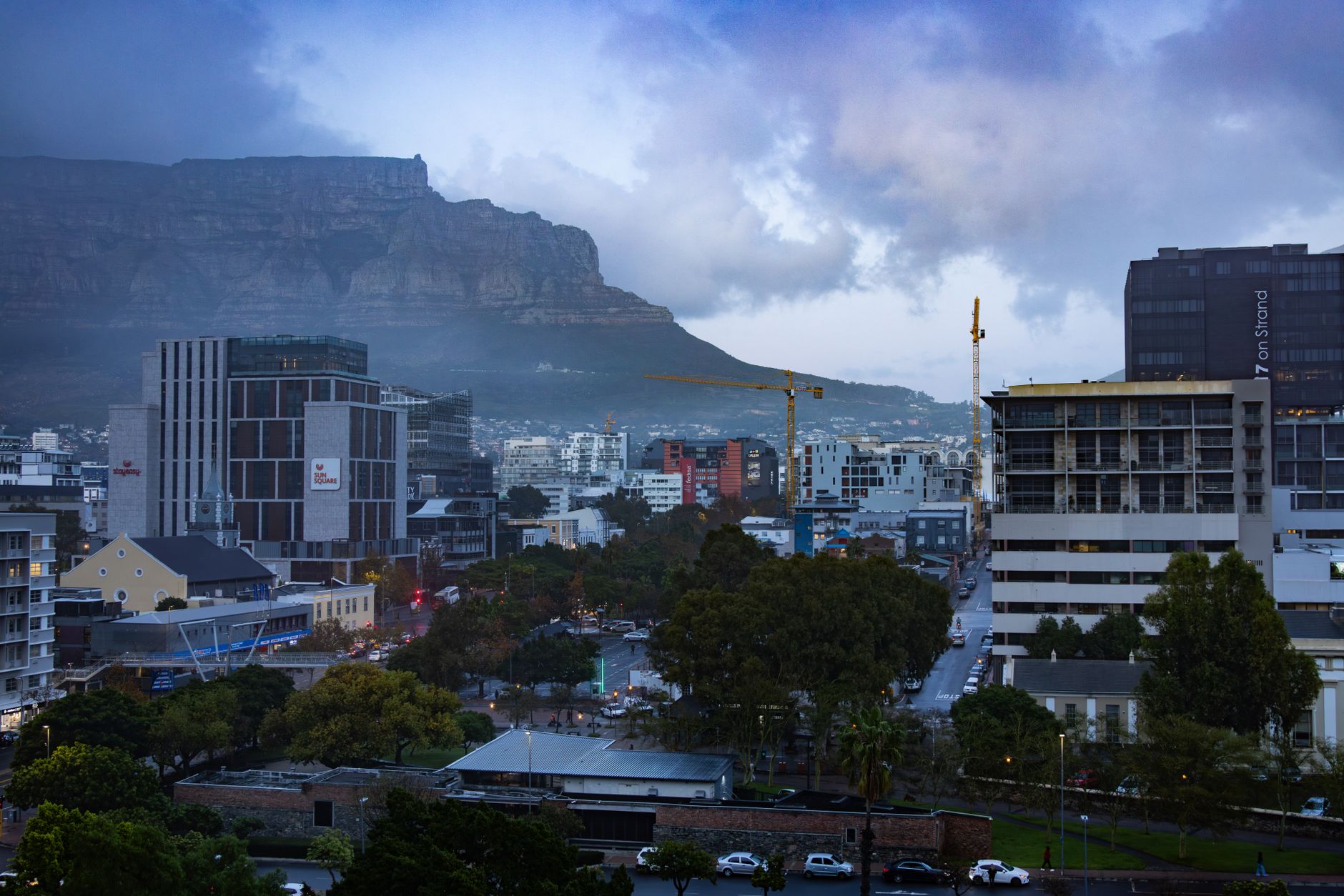
Dlamini's ambitions are grounded. The funding will hire two additional engineers and expand into Durban and Cape Town. She's also developing an AI-powered predictive maintenance module, due in Q4 2026. But her focus remains local: making South African manufacturing smarter without requiring overseas partnerships.
The Parkhurst workshop isn't glamorous. But it's proof that Johannesburg's next generation of business leaders isn't waiting for perfect conditions. They're building in real time, solving real problems, and showing that innovation needn't happen elsewhere.
This article was compiled by AI and screened before publishing. See our editorial standards.