Johannesburg Office Collapse Reshapes Property Values, Neighborhood Safety
Empty towers in Sandton and shifting work patterns are reshaping everything from property values to your neighbourhood's foot traffic and safety.
Empty towers in Sandton and shifting work patterns are reshaping everything from property values to your neighbourhood's foot traffic and safety.
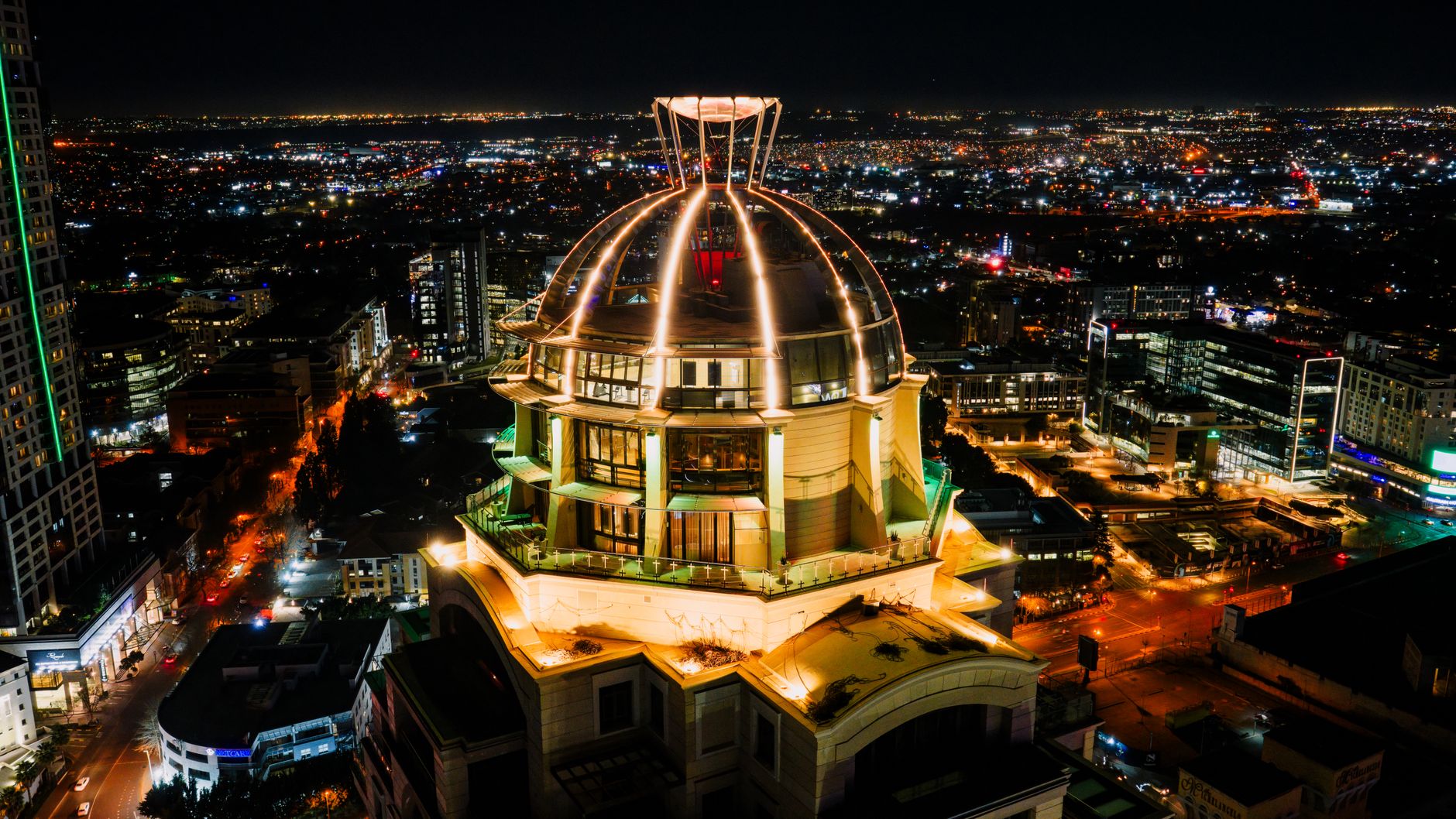
The Johannesburg office market is undergoing a seismic shift, and while it might seem like a concern only for corporate landlords and accountants, the ripple effects are touching the everyday lives of residents across the city—whether they work in finance or not.
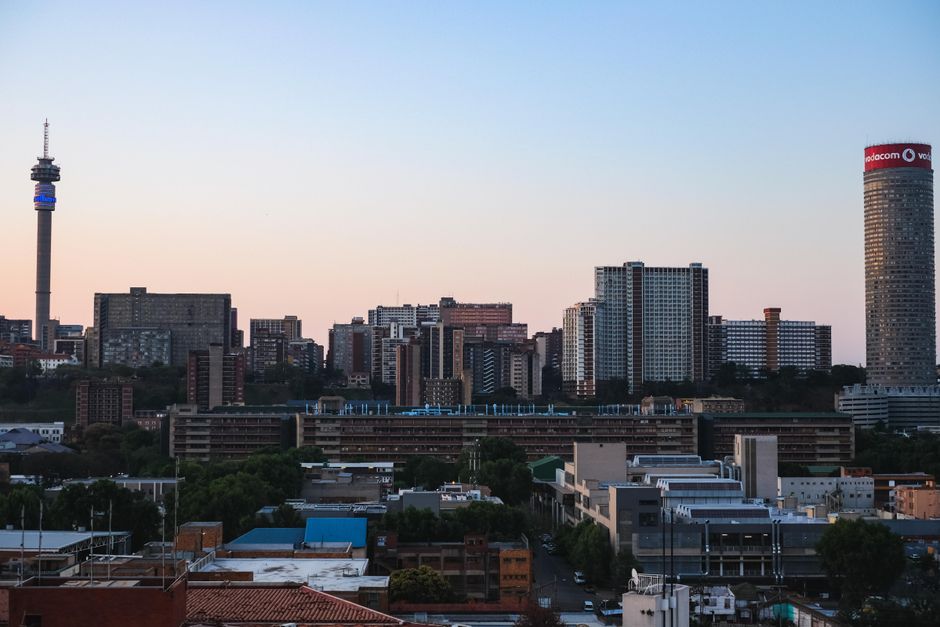
Over the past three years, vacancy rates in Johannesburg's prime commercial districts have doubled to roughly 15%, with Sandton's office towers particularly hard hit. This isn't simply a matter of empty desks. When office buildings empty, the ecosystems around them wither. The coffee shops, restaurants, dry cleaners, and security services that thrived on weekday foot traffic are disappearing. Neighbourhoods that once felt vibrant during business hours now struggle with activation and safety perception after dark.
The hybrid work revolution—accelerated by remote work normalisation during recent global disruptions—has fundamentally altered how much office space businesses actually need. Major corporates are consolidating into fewer, smaller footprints rather than maintaining sprawling headquarters. Some are relocating operations outside Johannesburg entirely. What this means for residents: commercial property values in districts like the Johannesburg CBD and parts of Midrand are under pressure, which affects municipal tax bases and, consequently, the quality of services in your neighbourhood.
But there's a counterintuitive opportunity. Progressive developers are converting underutilised office stock into residential units and mixed-use spaces. The Maboneng Precinct pioneered this model years ago; now it's spreading. In Braamfontein and around Ellis Park, former office buildings are becoming apartments, studios, and creative hubs. For residents, this means more housing supply in accessible central locations—though gentrification concerns warrant careful attention.
The commercial property slowdown is also forcing landlords to offer more aggressive rental rates and flexible lease terms than they have in years. Smaller businesses and start-ups that previously couldn't afford Sandton now have negotiating power. This democratisation of prime office space could reshape Johannesburg's entrepreneurial landscape.
Understanding these dynamics matters because property—whether commercial or residential—remains a cornerstone of household wealth in South Africa. If your home's value is tied to neighbourhood stability and investment, office market trends directly affect your financial future. Rising vacancy in your area could depress property values; conversely, residential conversion projects might signal coming gentrification and opportunity.
The Johannesburg office market isn't simply a corporate concern. It's reshaping the city's economic geography, safety dynamics, and property landscape in ways that touch every resident.
This article was compiled by AI and screened before publishing. See our editorial standards.
How does this story make you feel?
Spread the word
About this article
Published by The Daily Johannesburg
Daily brief
Free, in your inbox before 7am. Weekdays.
More in Business