Why the Office Market Crash Matters to Your Rent, Your ...
Johannesburg's commercial property sector is transforming faster than most residents realise—and it's reshaping everything from commute patterns to landlord behaviour.
Johannesburg's commercial property sector is transforming faster than most residents realise—and it's reshaping everything from commute patterns to landlord behaviour.
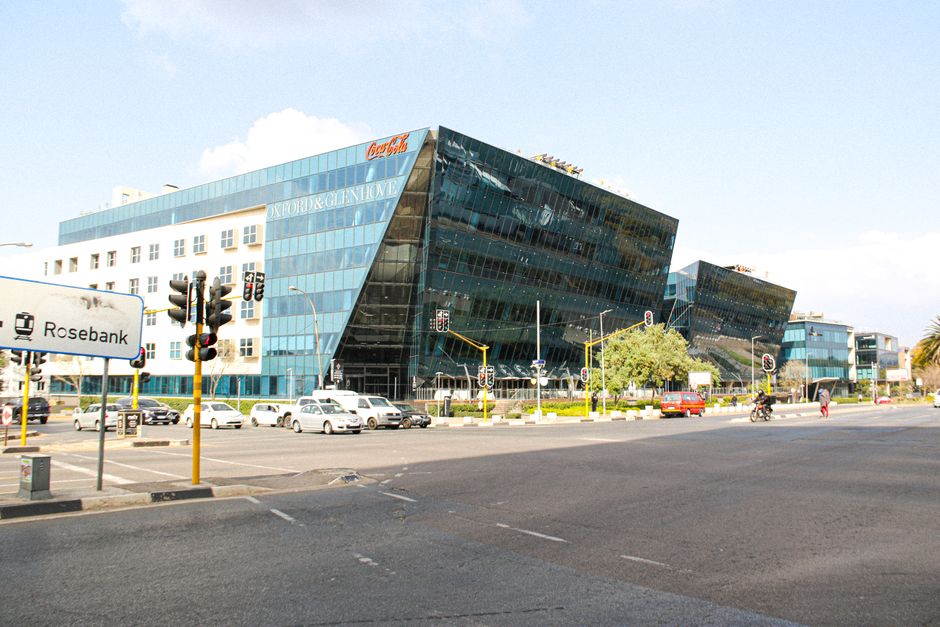
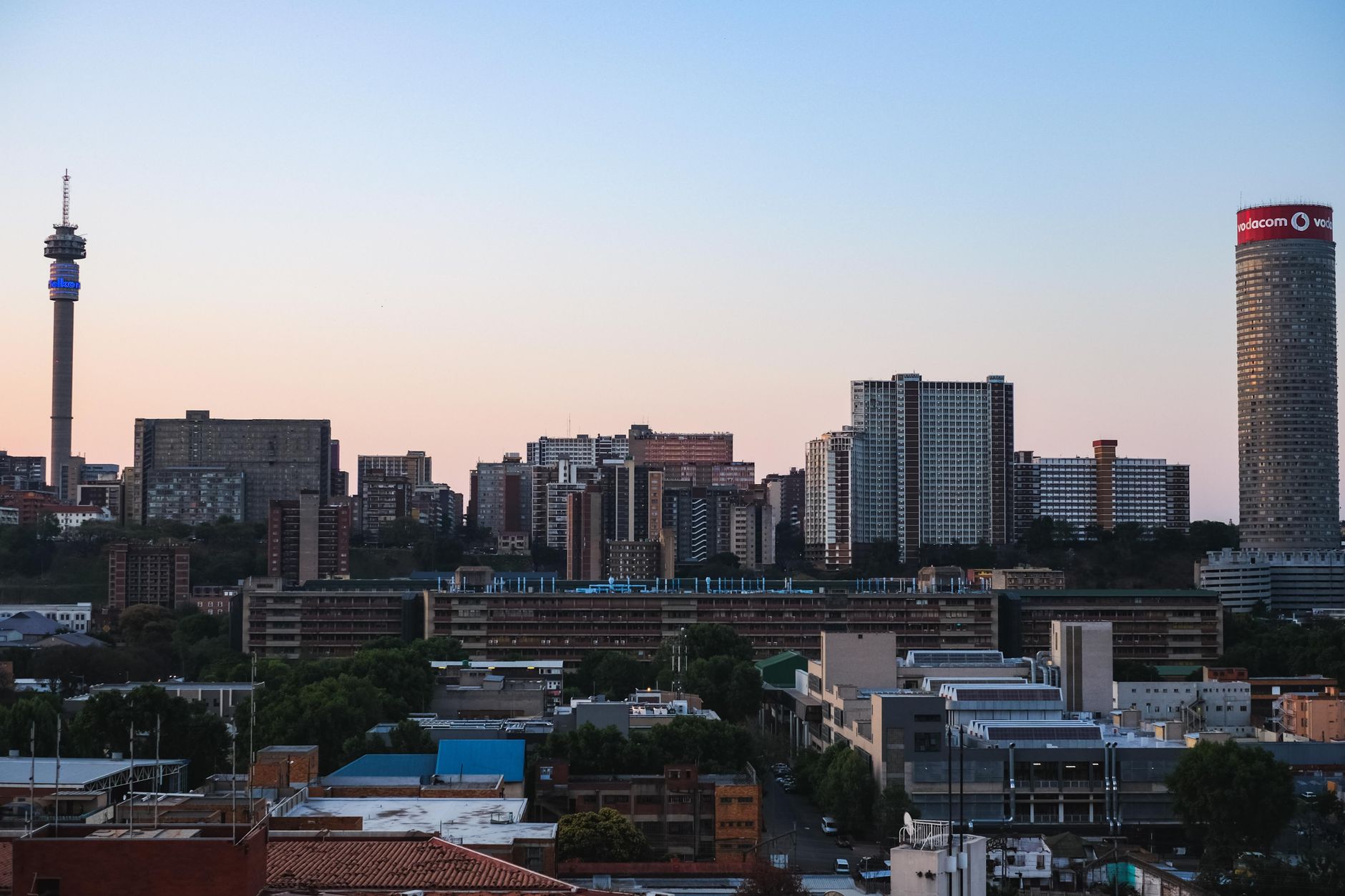
When the Sandton office towers empty out, it doesn't just affect the executives who work there. For ordinary Johannesburg residents, the seismic shift in our commercial property market carries real consequences that ripple through everything from your local coffee shop to your ability to find affordable accommodation.
The numbers tell a stark story. Johannesburg's office vacancy rate has climbed to roughly 15-17 percent across major nodes like Sandton and the Johannesburg CBD, with some analysts suggesting specific precincts are pushing toward 20 percent. That's not abstract data—it means landlords are desperate to fill space, which historically leads them to either slash rental prices or intensify collection tactics on existing tenants who can't pay.
Here's what everyday residents should understand: this market correction is forcing commercial property owners to rethink their business models. The days of extracting maximum rent from office parks along Katherine Street or in Midrand are largely over. Many are converting unused floors to mixed-use spaces—residential apartments, co-working hubs, and retail—to survive. For renters, this creates both opportunity and uncertainty. Some buildings becoming residential may offer better value; others may impose steeper conversion costs that get passed to new tenants.
The ripple effects extend further. When office workers leave Sandton or the Johannesburg CBD, the local service economy suffers. The barista at your favourite Rosebank coffee shop, the security guard at a half-empty complex on Grayston Drive, the property management firms coordinating maintenance—all face reduced hours or redundancy. Unemployment in the commercial property support sector has quietly tightened.
For job seekers, the market matters too. Struggling commercial landlords sometimes downsize operations or relocate to more affordable areas like Midrand or even further afield. If your employer occupies leased space, watch for potential relocations. Some companies are shifting to cheaper office parks on the city's periphery, potentially changing your commute and transport costs.
There's also a silver lining for residents seeking accommodation. As office buildings convert to residential units, supply in the rental market increases—putting downward pressure on prices in some neighbourhoods. However, new residential conversions typically target middle to upper-income earners, so benefits won't reach everyone equally.
The Johannesburg commercial property market isn't recovering to 2019 norms anytime soon. Hybrid work, economic uncertainty, and corporate cost-cutting have permanently altered demand. For residents navigating housing, employment, and daily transport, understanding these shifts helps you make better decisions about where to rent, where to work, and how to plan your financial future in the city.
This article was compiled by AI from the sources linked above and screened before publishing. See our editorial standards.
How does this story make you feel?
Spread the word
About this article
Published by The Daily Johannesburg
Daily brief
Free, in your inbox before 7am. Weekdays.
More in Business