Johannesburg's Export Window Narrows: Four Critical ...
As global supply chains fracture and regional instability spreads, local manufacturers and traders face a pivotal moment to recalibrate their international strategies.
As global supply chains fracture and regional instability spreads, local manufacturers and traders face a pivotal moment to recalibrate their international strategies.
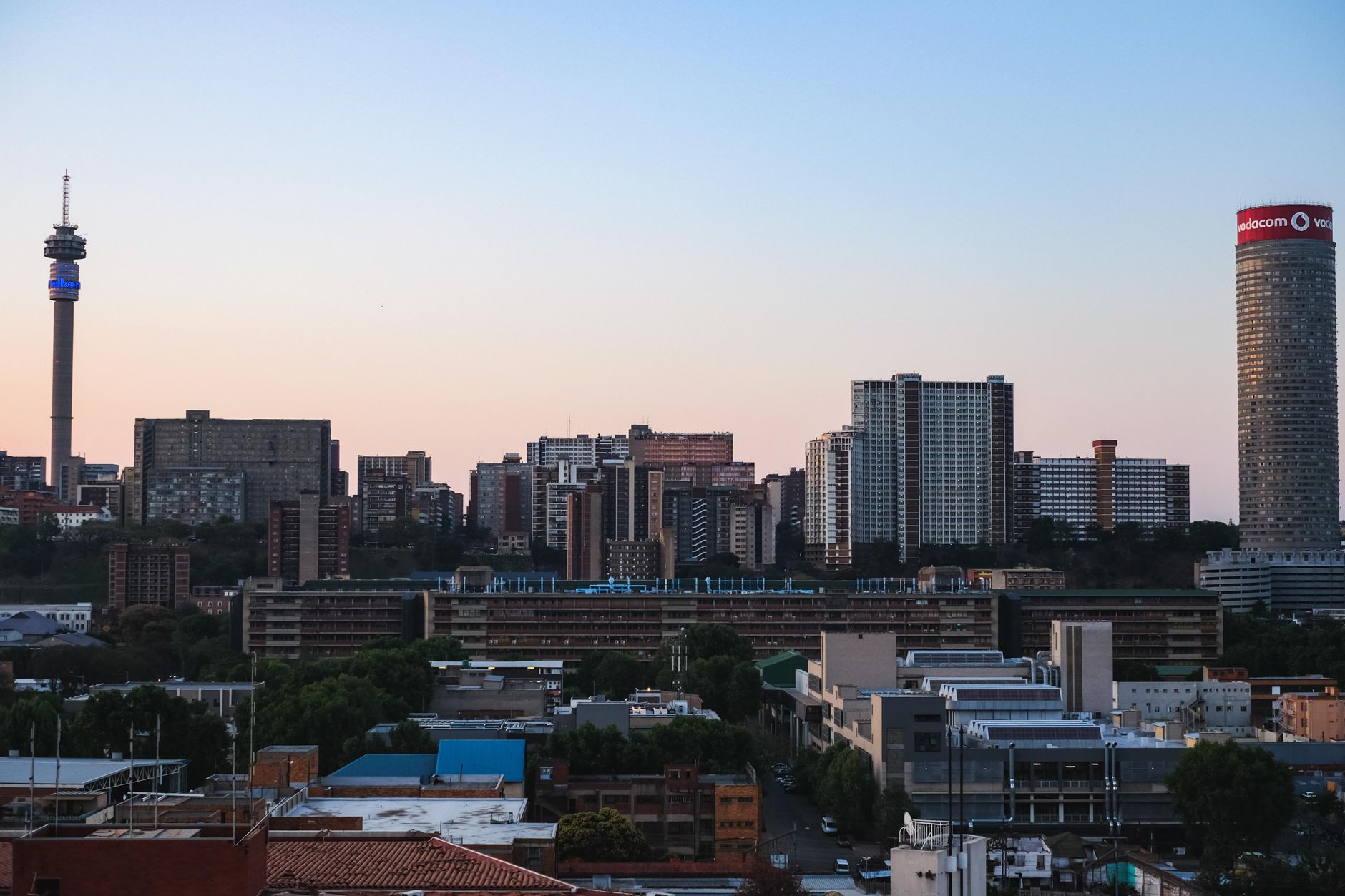
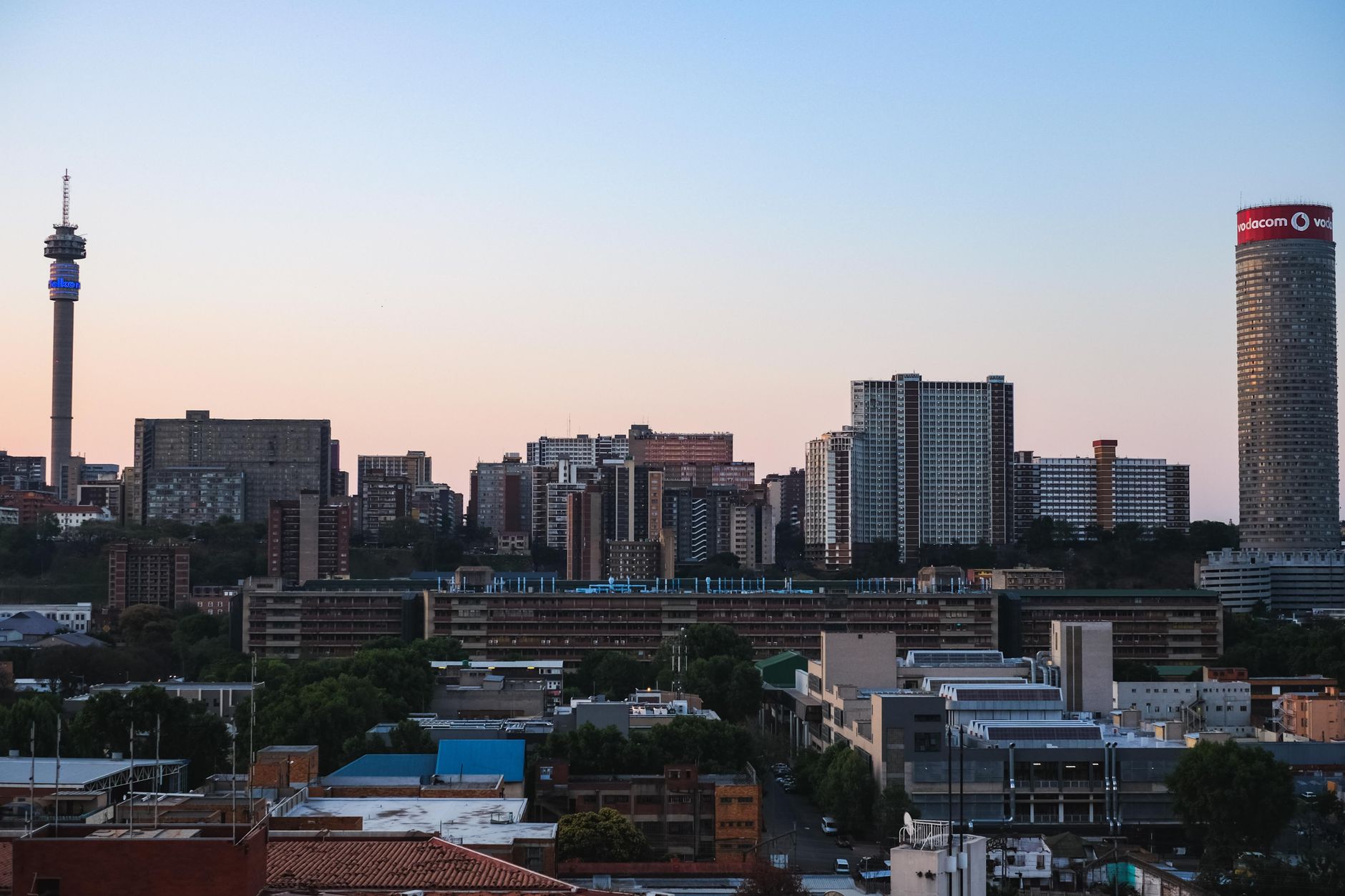
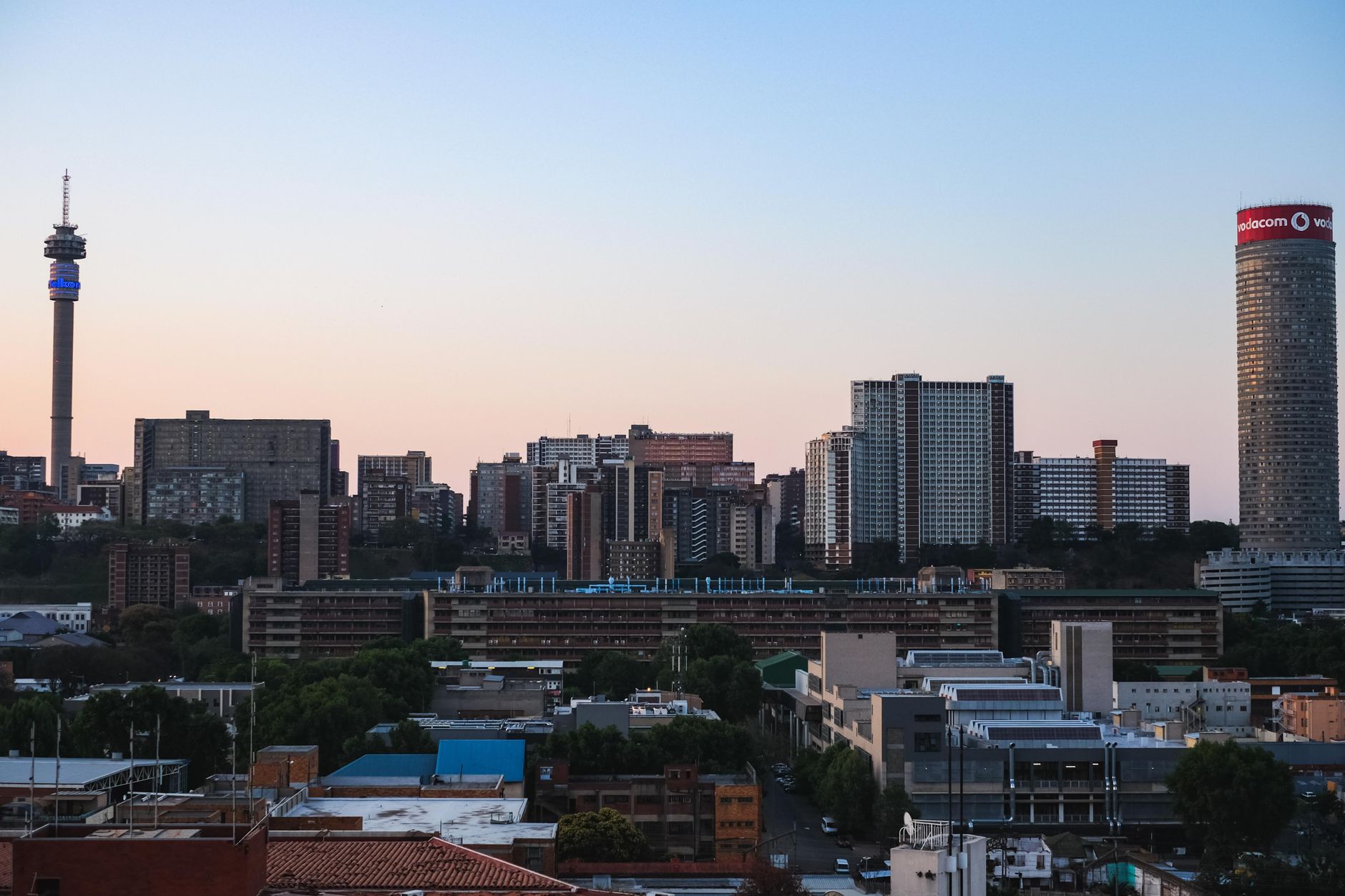
The boardrooms of Sandton's corporate towers and the warehouses dotting the Wadeville industrial park are buzzing with the same urgent question: how do we navigate a fundamentally altered global trade landscape?
For Johannesburg's export-dependent businesses—from platinum refineries to automotive component suppliers—2026 is shaping up as a critical inflection point. Four converging trends demand immediate attention from decision-makers across the city's business districts.
First, regional instability is rewriting logistics routes. The escalating tensions in the Middle East and ongoing volatility in sub-Saharan Africa are forcing freight forwarders and traders to explore alternative shipping corridors. Companies that historically relied on the Suez route are now pricing in longer transit times and higher insurance premiums. For Johannesburg-based exporters, this means reassessing cost structures that have remained stable for decades. The Gauteng Chamber of Business reports that logistics costs have risen 12-15% in the first half of 2026 for companies with European and Asian markets.
Second, currency volatility is creating hedging nightmares. The rand's recent swings—trading between 16.80 and 17.40 to the US dollar—have caught many mid-sized firms off-guard. Companies operating from premises along the New Road corridors and in the Bruma business park need to move beyond passive currency management. Forward contracts, which seemed expensive three years ago, now look like insurance worth buying.
Third, the fracturing of global supply chains offers unexpected opportunities. With traditional manufacturing hubs facing geopolitical pressures, Johannesburg's manufacturing base—particularly in industrial areas like Kempton Park and Boksburg—is fielding increased inquiries from companies seeking nearshore alternatives. The question is whether local capacity can scale quickly enough to capture this window.
Finally, migration patterns are reshaping consumer markets. The geopolitical displacement affecting regions from Venezuela to the Middle East is creating new consumer demographics in unexpected places. Johannesburg's trading community, accustomed to traditional market analysis, needs to revisit destination strategies. What looked like a marginal market two years ago may now represent significant growth potential.
The Johannesburg Stock Exchange's industrial index has reflected this uncertainty, with volatility increasing despite overall market resilience. For business leaders, the message is clear: the era of assuming stable global conditions is over. Companies that map these four trends into their 2026-2027 planning cycles will emerge stronger. Those that don't face the risk of being blind-sided by a market that has fundamentally shifted.
This article was compiled by AI from the sources linked above and screened before publishing. See our editorial standards.
How does this story make you feel?
Spread the word
About this article
Published by The Daily Johannesburg
Daily brief
Free, in your inbox before 7am. Weekdays.
More in Business