Johannesburg's Tourism Boom: Which Operators Are Cashing ...
With international arrivals climbing faster than pre-pandemic levels, established hospitality players and nimble newcomers are reshaping the city's visitor economy.
With international arrivals climbing faster than pre-pandemic levels, established hospitality players and nimble newcomers are reshaping the city's visitor economy.
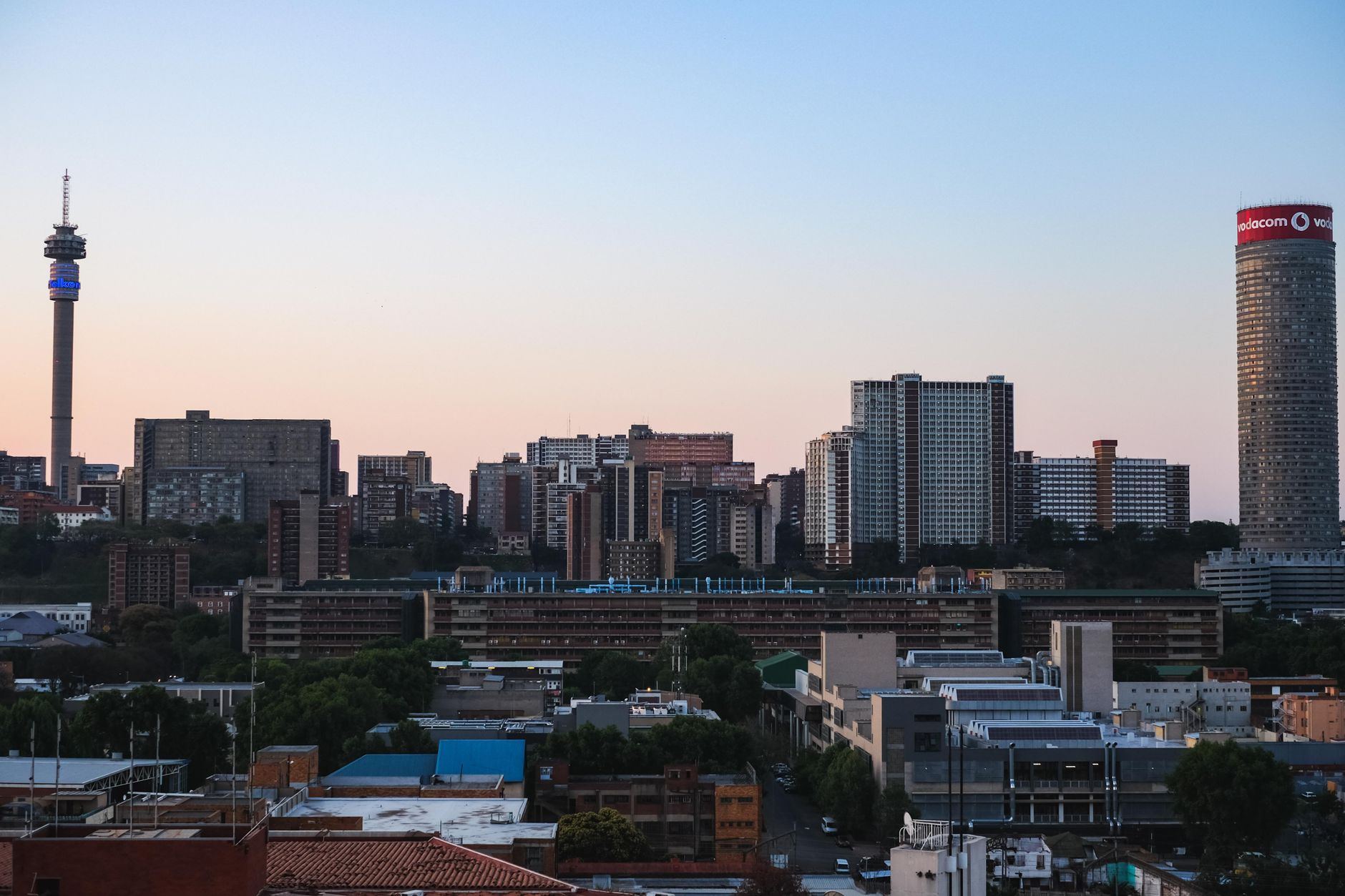
Johannesburg's tourism sector is experiencing a marked acceleration, with international visitor arrivals to Gauteng up approximately 18% year-on-year, according to recent provincial tourism board data. The shift is creating clear winners among accommodation providers, experience operators, and food-and-beverage venues positioned to capture this influx.
The Maboneng Precinct, once a struggling inner-city quarter, has become a focal point for this recovery. Boutique hotels and backpacker lodges in the area are operating at occupancy rates exceeding 75% during peak season—well above the 65% city average. Operators here report that the precinct's blend of street art, craft breweries, and accessible price points (nightly rates from R400 to R1,200) are drawing younger international travellers increasingly wary of Sandton's premium positioning.
Meanwhile, established luxury operators around Sandton and the Rosebank corridor continue to hold their ground. Five-star hotels in these neighbourhoods have maintained average daily rates above R4,500, with corporate and business-class travel providing steady baseline demand. However, growth is outpacing these traditional strongholds.
The real momentum lies in experiential tourism. Soweto heritage tours, once niche offerings, are now booked weeks in advance through platforms like Airbnb Experiences and independent tour operators. Day-trip operators report 40% growth in bookings to the Cradle of Humankind and Apartheid Museum—suggesting visitors are staying longer and venturing beyond the CBD.
Restaurant groups capitalising on this trend show particularly strong performance. Venues in the Arts on Main building and along Fox Street are seeing international customers drive 35-45% of evening footfall, up from roughly 25% three years ago. Mid-range establishments—where mains cost R120-R220—are benefiting most as visitors seek authentic local dining without fine-dining prices.
Industry observers note that Johannesburg's appeal to international visitors centres on authenticity and value. The city's proximity to world-class wildlife experiences, combined with relatively affordable accommodation and dining, positions it as an attractive stopover destination for southern African itineraries.
Not all sectors have gained equally. Airport transfer and ground transportation operators report rising demand, yet struggle with outdated licensing frameworks. Similarly, informal accommodation and township-based homestays remain largely outside formal booking systems, missing trackable revenue opportunities.
The next frontier, analysts suggest, lies in positioning the city as a conference and events destination. Johannesburg's established venues and infrastructure—combined with recovering sentiment around safety and stability—offer untapped potential. Those already investing in events infrastructure and international marketing appear best positioned to capitalise as this chapter unfolds.
This article was compiled by AI from the sources linked above and screened before publishing. See our editorial standards.
How does this story make you feel?
Spread the word
About this article
Published by The Daily Johannesburg
Daily brief
Free, in your inbox before 7am. Weekdays.
More in Business