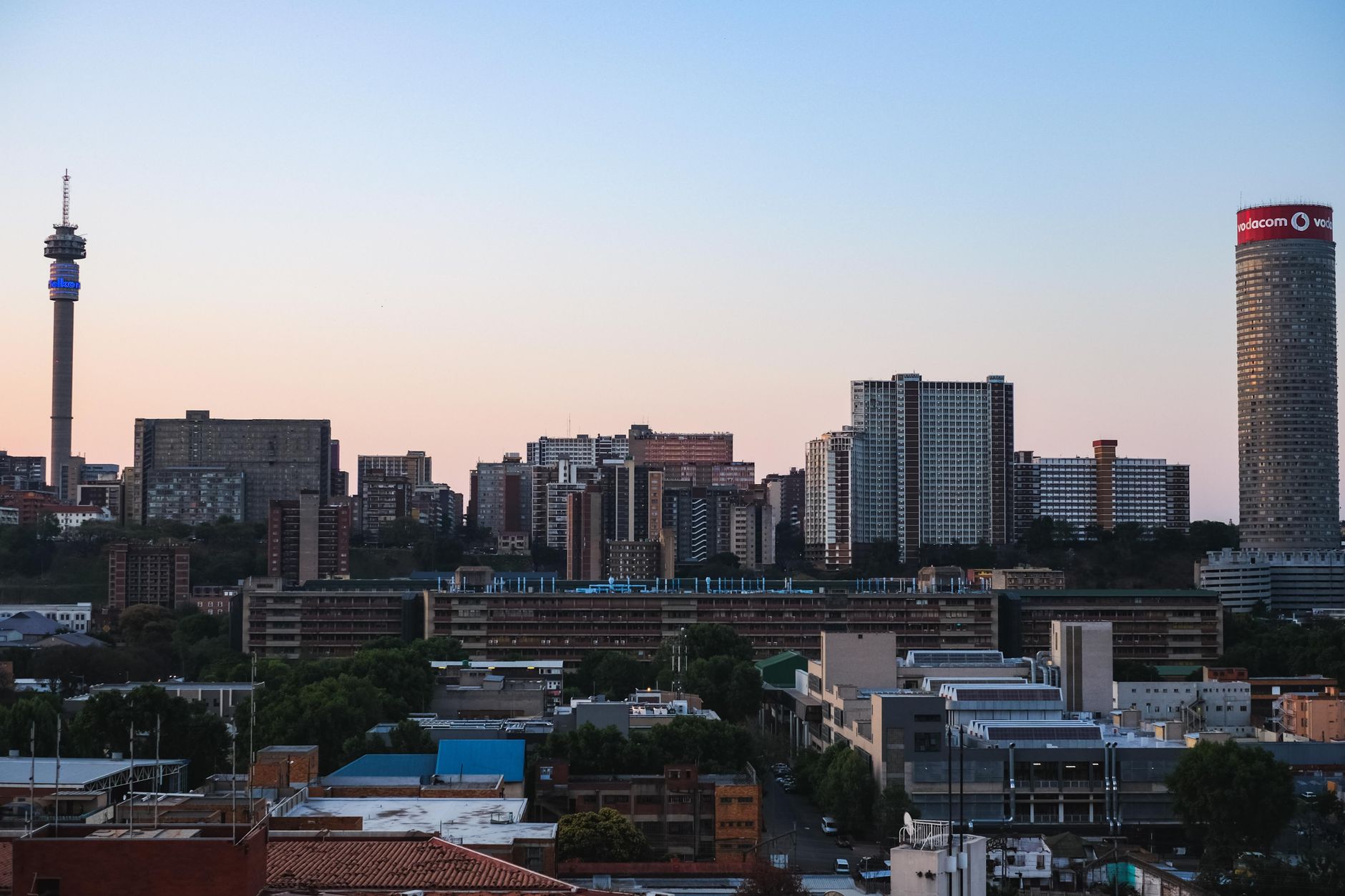
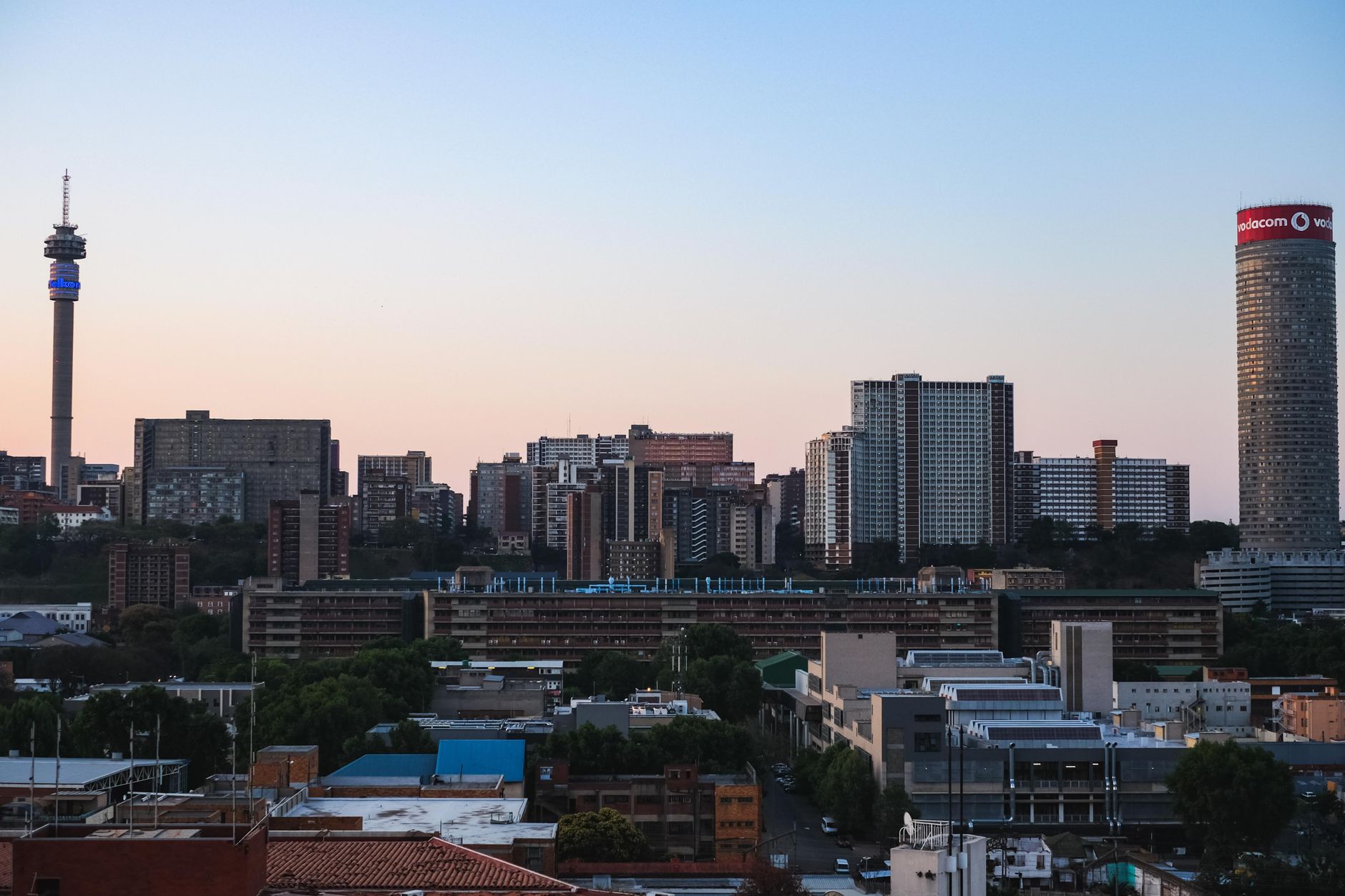
The escalating tensions between the United States and Iran, coupled with regional conflicts affecting global shipping routes, are sending ripples through Johannesburg's business district that no amount of local optimism can ignore. For companies operating out of the Sandton precinct and the industrial corridors of Kempton Park, the headlines from the Middle East are not abstract geopolitical news—they represent real threats to margins, timelines, and growth projections.
The Strait of Hormuz remains a critical chokepoint for global oil shipments, and any disruption directly impacts fuel costs for South African manufacturers. A senior logistics firm operating from the North Cliff industrial park reports that transport costs have risen 12% in the past quarter alone, squeezing already-tight supply chains for automotive components and pharmaceutical exports destined for African markets. The rand's weakness against the dollar—hovering around 18.40 on average this quarter—compounds the problem, making imported materials significantly more expensive.
Meanwhile, the broader international trade environment is shifting in ways that demand immediate attention from local decision-makers. Mining companies headquartered in Johannesburg's financial hubs have watched global mineral prices fluctuate wildly, influenced by everything from US-China relations to African geopolitical developments. The announcement of major mining concessions abroad has thrown into sharp relief questions about investment priorities and resource allocation that echo through the corridors of the JSE and beyond.
Business chambers across the city report growing anxiety. The Johannesburg Chamber of Commerce and Industry has fielded increasing inquiries from mid-sized exporters worried about payment delays from international clients facing their own economic headwinds. Manufacturers in Isando and Dunswart industrial zones are reconsidering inventory strategies, knowing that global uncertainty can shift demand patterns overnight.
What makes this moment particularly pressing for Johannesburg's business community is the interconnectedness of modern commerce. A textile exporter in Roodepoort selling to West African retailers depends on stable shipping routes and predictable currency movements. A pharmaceutical manufacturer in Midrand relies on timely import of raw materials from Asia. These are not abstract supply chains—they represent jobs, investment, and economic stability across the city.
The lesson is clear: Johannesburg's business leaders cannot afford to treat international crises as distant concerns. Currency hedging, supplier diversification, and strategic inventory management are no longer optional—they are essential tools for survival in an increasingly volatile global environment. The real work of protecting local prosperity happens not in Pretoria or Washington, but in boardrooms across Sandton, where executives must navigate a world far more complex than ever before.
This article was compiled by AI from the sources linked above and screened before publishing. See our editorial standards.