Johannesburg's Small Business Dream Faces Perfect Storm of Headwinds in 2026
Rising costs, load shedding and tighter credit markets are squeezing entrepreneurs across the city, threatening the very backbone of the local economy.
Rising costs, load shedding and tighter credit markets are squeezing entrepreneurs across the city, threatening the very backbone of the local economy.
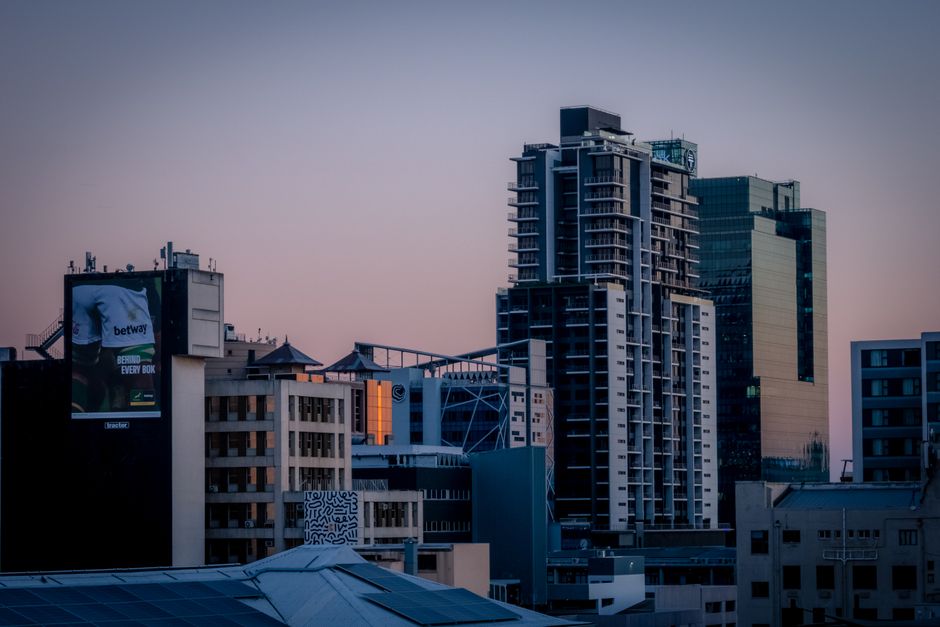
Walk through the bustling corridors of the Bruma Lake precinct or the artisan hubs scattered across Maboneng, and you'll encounter the entrepreneurial energy that has long defined Johannesburg's economic resilience. But behind the optimism, small business owners are facing a convergence of challenges that many describe as the toughest operating environment in years.
The statistics tell a sobering story. According to the Johannesburg Chamber of Commerce, small and medium enterprises (SMEs) report operating costs have surged by an average of 34% since the start of 2025, driven primarily by electricity tariffs and fuel expenses. Eskom's latest rate hike—effective this month—has pushed industrial electricity costs to R3.87 per kilowatt-hour for many businesses, a figure that directly decimates margins for manufacturers in the Wadeville industrial zone and hospitality operators across the Sandton corridor.
"Load shedding remains utterly unpredictable," explains a representative from the Johannesburg Development Agency. "Businesses can't plan inventory, staffing or production schedules when power cuts extend to 10 hours daily." The ripple effects are visible: small bakeries in Fordsburg now operate on backup generators that consume 40% of their energy budget. Restaurants in Bryanston have invested in expensive inverter systems, capital most couldn't previously justify.
The credit crunch adds another layer of pressure. South African Reserve Bank data shows banks have tightened lending criteria significantly, with approval rates for SME loans dropping 18% year-on-year. Small retailers on Pritchard Street and shop owners in the Johannesburg CBD report rejection rates approaching 50% when applying for expansion capital.
Labour costs remain rigid despite economic headwinds. The sectoral determination for general workers mandates minimum wages of R28.66 per hour—non-negotiable for formal businesses, yet prohibitive for marginal operations. Many entrepreneurs are caught between regulatory compliance and commercial viability.
Rental pressures compound the challenge. Commercial space in emerging hubs like Maboneng commands R180–220 per square metre monthly, up 22% from two years ago. Simultaneously, foot traffic in traditional retail corridors has declined as consumer spending tightens.
The outlook for the remainder of 2026 remains uncertain. While some sectors—particularly tech startups in the Joburg Tech Hub and niche manufacturing—continue attracting investment, traditional retail and service providers face genuine existential pressure. Business rescue practitioners report a 16% uptick in distressed company applications this quarter alone.
For Johannesburg's entrepreneurial class, survival increasingly depends on innovation, ruthless cost discipline, and access to patient capital—resources not all possess equally.
This article was compiled by AI from the sources linked above and screened before publishing. See our editorial standards.
How does this story make you feel?
Spread the word
About this article
Published by The Daily Johannesburg
Daily brief
Free, in your inbox before 7am. Weekdays.
More in Business