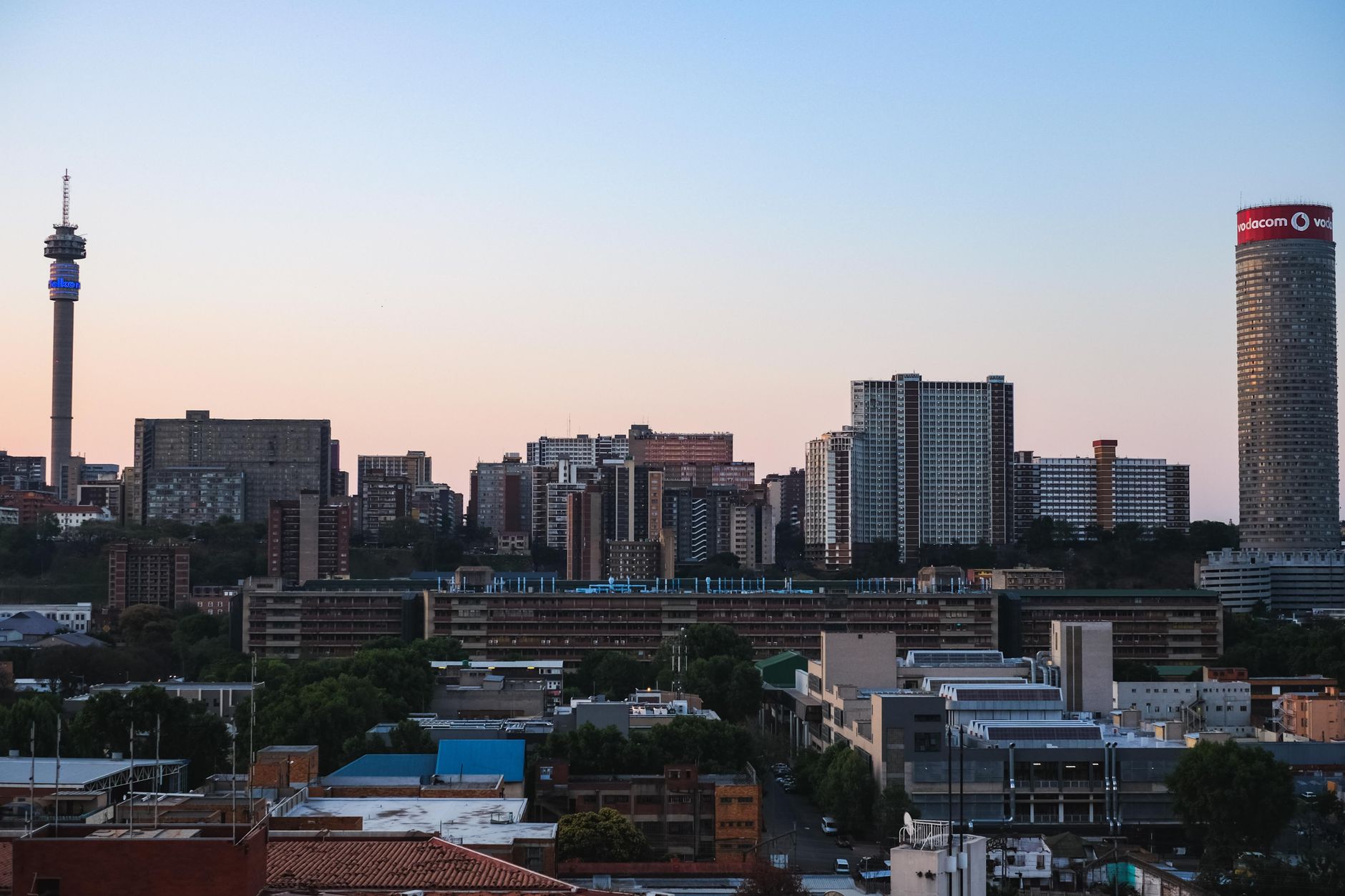
When Thandi Mthembu opened her artisanal coffee roastery in Maboneng two years ago, she calculated her import costs on the assumption of stable global shipping lanes and predictable currency movements. Today, as geopolitical tensions between major powers reshape logistics and commodity prices, that calculation looks quaint.
The past six months have hit small business owners harder than most. Shipping costs from ports in the Persian Gulf and the Red Sea corridor have spiked by nearly 40%, squeezing importers across Johannesburg's competitive retail and hospitality sectors. Meanwhile, the rand has weakened against major currencies, making dollar-denominated purchases feel even steeper at checkout.
"My container from specialty suppliers in Europe now costs me R18,500 more than it did last year," explains Themba Khumalo, who runs a craft supplies distributor from a warehouse in Wynberg. "That doesn't sound like much until you're running on 15% margins."
The pressure intensifies when you zoom out. Global uncertainty about energy security—particularly around oil and gas—has inflated fuel and electricity costs. Eskom's ongoing load-shedding already squeezed small manufacturers and service providers; now international volatility has created a second shock. Bakeries, laundries, and light manufacturing operations operating from premises in areas like Industria and Montague Gardens report that energy now represents 22-28% of operational costs, up from 16% two years ago.
At the Johannesburg Chamber of Commerce, analysts note that small exporters face a different problem: currency unpredictability makes it harder to quote prices to international buyers with confidence. A tech startup in Braamfontein that does software development for European clients can't lock in annual contracts the way it could before.
Yet some entrepreneurs see opportunity in the chaos. Several Johannesburg-based logistics coordinators have expanded services to help businesses navigate longer, safer shipping routes avoiding hotspots. One firm in the CBD now offers real-time supply-chain intelligence subscriptions to small importers.
The lesson for Johannesburg's business community is stark: isolation is no longer possible. A drone strike in the Persian Gulf or a policy shift in Washington registers immediately on the balance sheets of small retailers on Rivonia Road, restaurateurs in Melville, and manufacturers across the city's industrial spine.
"We're not just competing locally anymore," Mthembu reflects. "The world's instability is our daily business problem. Adaptation isn't optional—it's survival."
This article was compiled by AI from the sources linked above and screened before publishing. See our editorial standards.