Johannesburg's Job Market Faces Perfect Storm of Headwinds in 2026
Rising skills mismatches, load-shedding disruptions and a shrinking corporate footprint are reshaping employment prospects across the city.
Rising skills mismatches, load-shedding disruptions and a shrinking corporate footprint are reshaping employment prospects across the city.
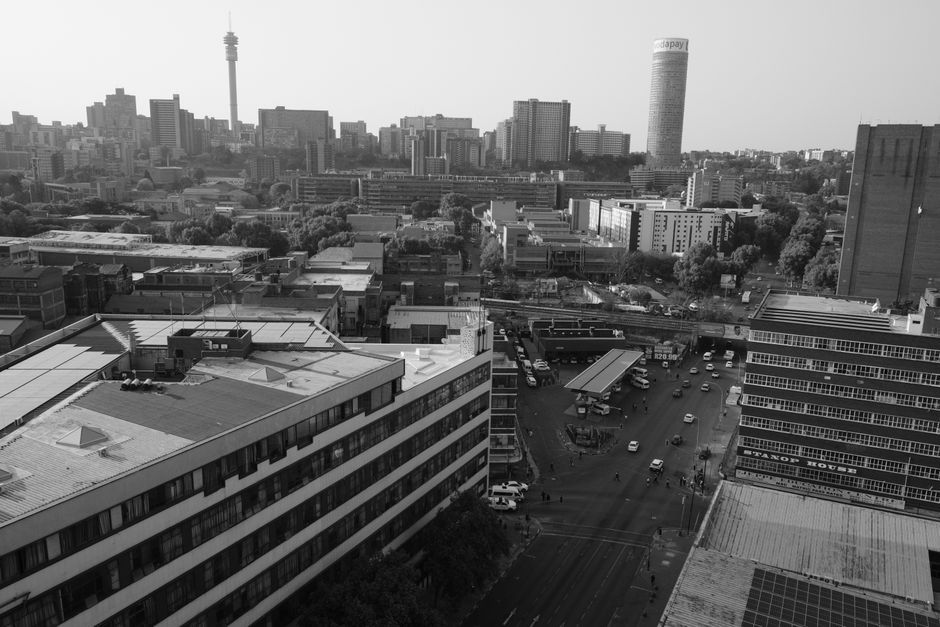
Johannesburg's employment landscape is entering treacherous territory. As businesses across the Sandton financial district and beyond grapple with a confluence of structural challenges, job seekers and employers alike are bracing for what labour economists warn could be the toughest recruitment cycle in a decade.
The pressure points are mounting. Load-shedding, now endemic to the South African economy, continues to devastate productivity-dependent sectors. Manufacturing facilities in the Wadeville industrial area report operating at 60-70% capacity on average days, forcing companies to freeze hiring despite underlying demand. Retailers along Rosebank's commercial corridors have trimmed headcount to manage electricity surcharges that have inflated operating costs by up to 35% in some cases.
The skills crisis compounds these woes. Recruitment agencies operating from offices in the Joburg CBD report a persistent disconnect: while unemployment officially sits above 34%, companies struggle to fill mid-to-senior technical roles. Software development, data science and specialised engineering positions languish unfilled for months. A recent survey by the Johannesburg Chamber of Commerce indicated that 62% of surveyed firms cite inadequate local talent pipelines as their primary hiring constraint.
Corporate consolidation is reshaping the employment base itself. Several multinational firms have announced plans to relocate regional headquarters or consolidate operations, with some shifting roles to Cape Town or reducing South Africa-based teams entirely. This hollowing-out of the white-collar workforce—particularly in financial services and professional services clusters—has depressed entry-level opportunities for graduates who fuel economic dynamism.
Young professionals are voting with their feet. Brain drain, while difficult to quantify precisely, remains a persistent undercurrent. Visa application consultancies in Melville report brisk business from mid-career professionals exploring opportunities in Australia, Canada and the UK.
The informal economy, historically a job-creation engine, shows signs of contraction too. Hawkers and small traders operating in areas like the Braamfontein precinct report tighter margins as both consumer spending and footfall decline. Rising business registration costs and regulatory compliance burdens continue to deter new entrants.
Yet pockets of opportunity persist. Green energy transition roles, logistics, healthcare and digital services show modest expansion. Companies willing to invest in retraining programmes report better retention and productivity gains.
As Johannesburg navigates this employment downturn, the question facing policymakers and business leaders is clear: will structural reforms and reskilling initiatives arrive quickly enough to stabilise the job market, or will 2026 mark the beginning of a prolonged contraction?
This article was compiled by AI from the sources linked above and screened before publishing. See our editorial standards.
How does this story make you feel?
Spread the word
About this article
Published by The Daily Johannesburg
Daily brief
Free, in your inbox before 7am. Weekdays.
More in Business