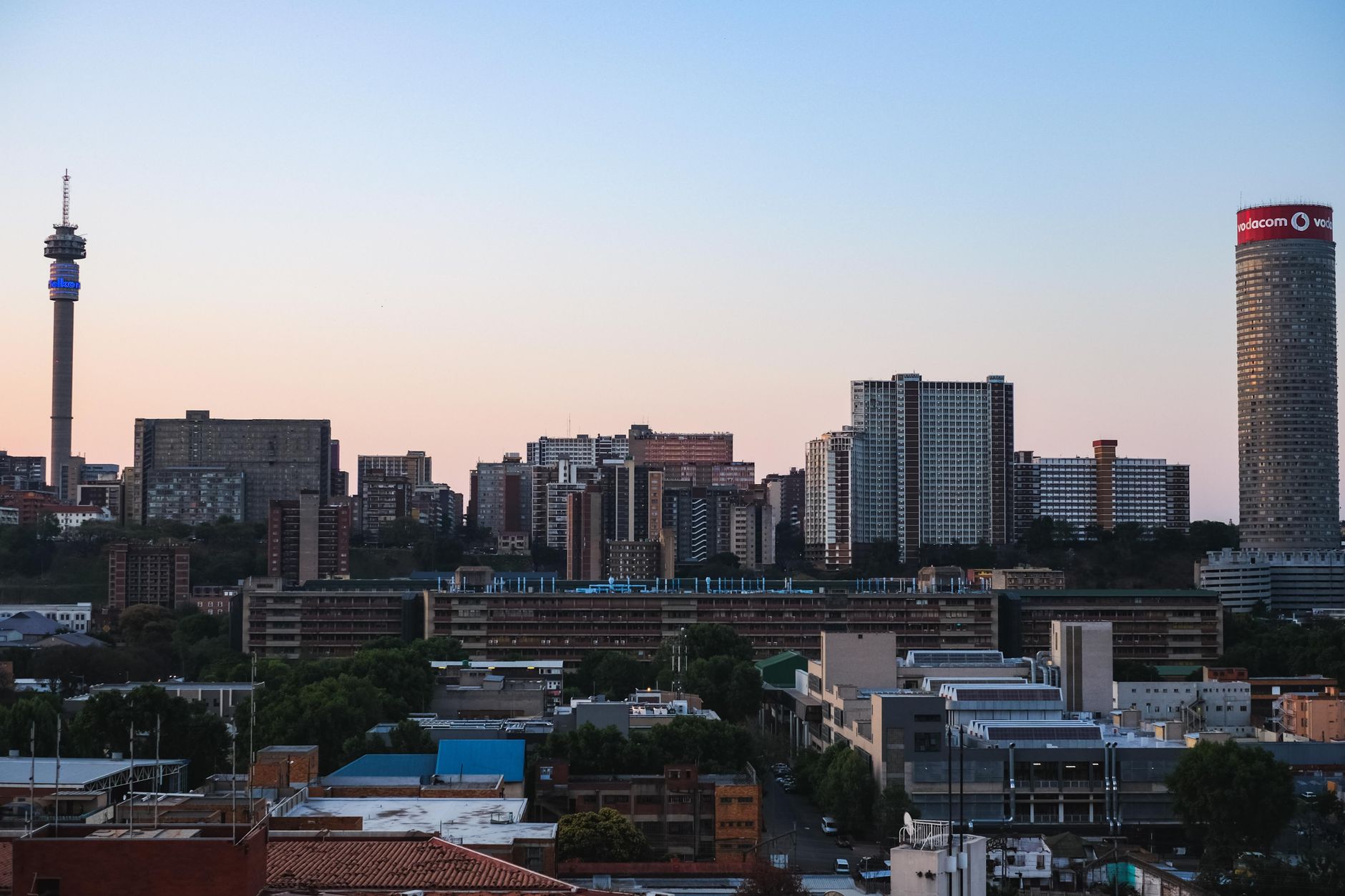
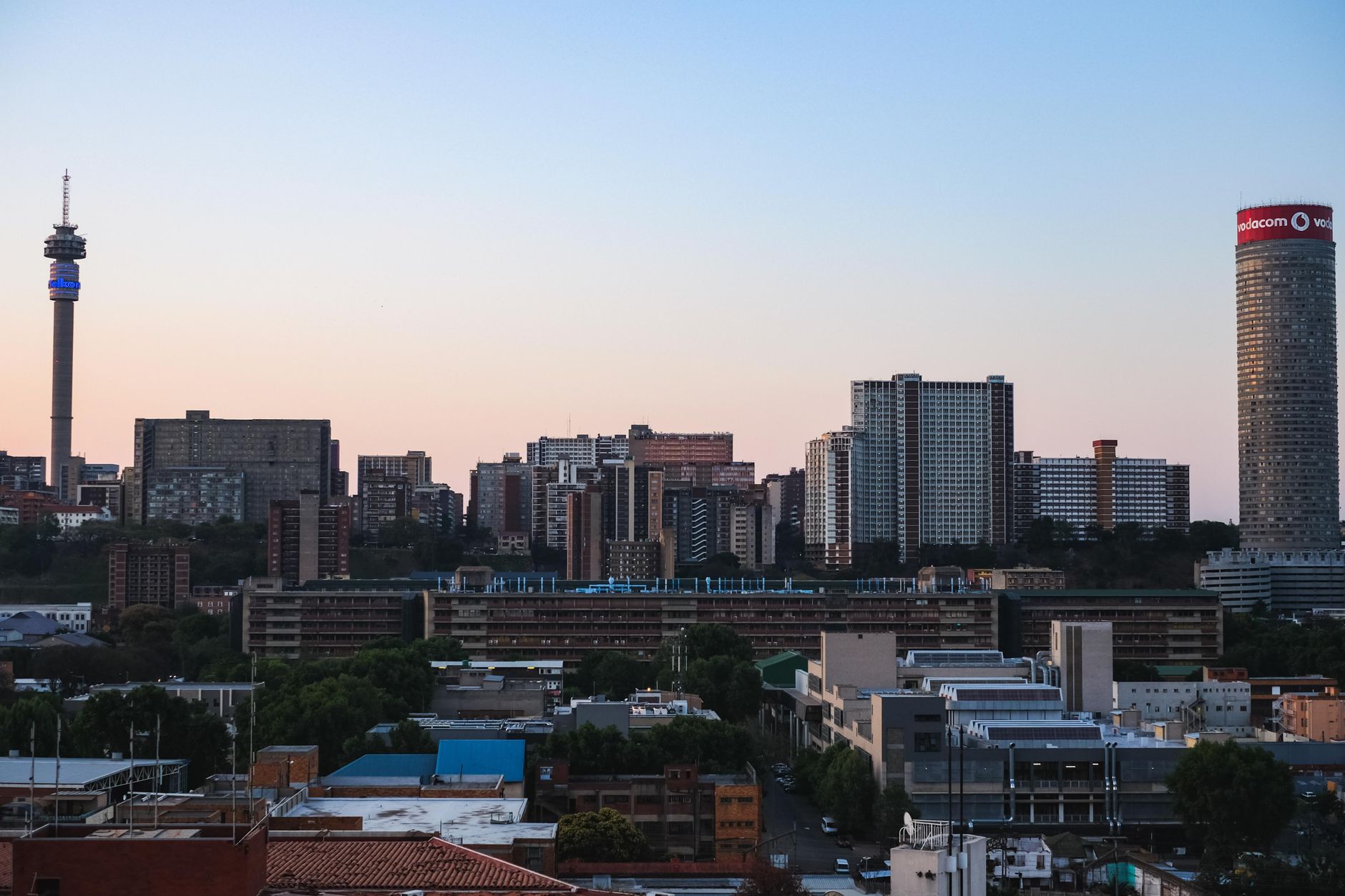
Walk through the Sandton business district on any given trading day and you'll encounter a peculiar form of anxiety—the kind that grips portfolio managers and property developers alike as they parse the latest economic data. This week's inflation report landing at 4.3% year-on-year has sent ripples through the city's investment community, offering clues about where capital will flow in coming months.
Economic indicators function as a compass for investment. When the Reserve Bank's repo rate sits at 8.25%—where it has remained since May—it signals the cost of borrowing money. For developers eyeing plots in emerging nodes like Rosebank and Hyde Park, this translates directly into project viability. Higher rates make construction financing expensive; lower rates open taps for commercial and residential expansion. The recent sideways trajectory suggests the central bank believes inflation remains stubborn enough to warrant patience.
Foreign direct investment into Johannesburg tells its own story. Year-to-date flows into South Africa hover around $3.2bn, down from prior year comparisons—a fact that reverberates through Broad-Based Black Economic Empowerment offices across the city's corporate core. International investors scrutinise exchange rate volatility, electricity supply reliability, and social stability before committing capital. The rand's fluctuation between 17.80 and 18.40 to the dollar creates uncertainty; some multinationals delay decisions until visibility improves.
Local residential markets reflect these currents immediately. Property in northern suburbs like Morningside and Sandton commands premiums partly because institutional investors view these areas as sheltered from broader economic shocks. Mid-market apartments in areas like Braamfontein, however, present opportunities for those reading indicators carefully—supply constraints and young professional demand support valuations even as financing costs rise.
The cost of living pressure in Johannesburg remains tangible. Petrol prices, electricity tariffs from Eskom, and food inflation compress household budgets across all income levels. A litre of petrol costs approximately R23, up significantly from 2024. This pressures consumer spending, which accounts for roughly two-thirds of economic activity—ultimately dampening business expansion plans and affecting employment growth.
For investors navigating this landscape, the message is clear: read multiple indicators together rather than any single metric. Inflation, interest rates, foreign investment flows, and currency movements tell an interconnected story about where opportunity and risk converge. Johannesburg's business community that masters this analysis will position themselves advantageously regardless of which direction the cycle turns next.
This article was compiled by AI from the sources linked above and screened before publishing. See our editorial standards.