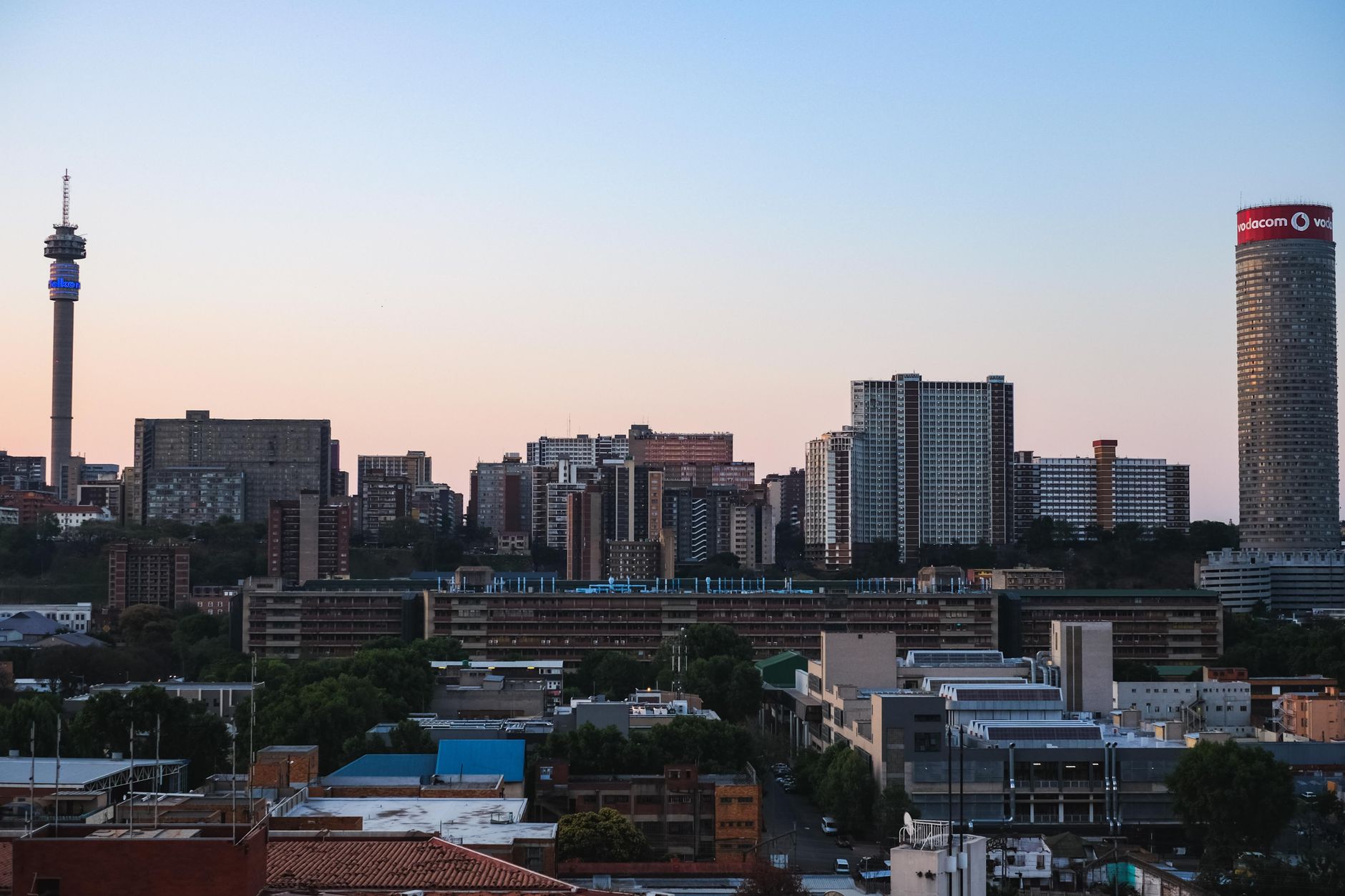
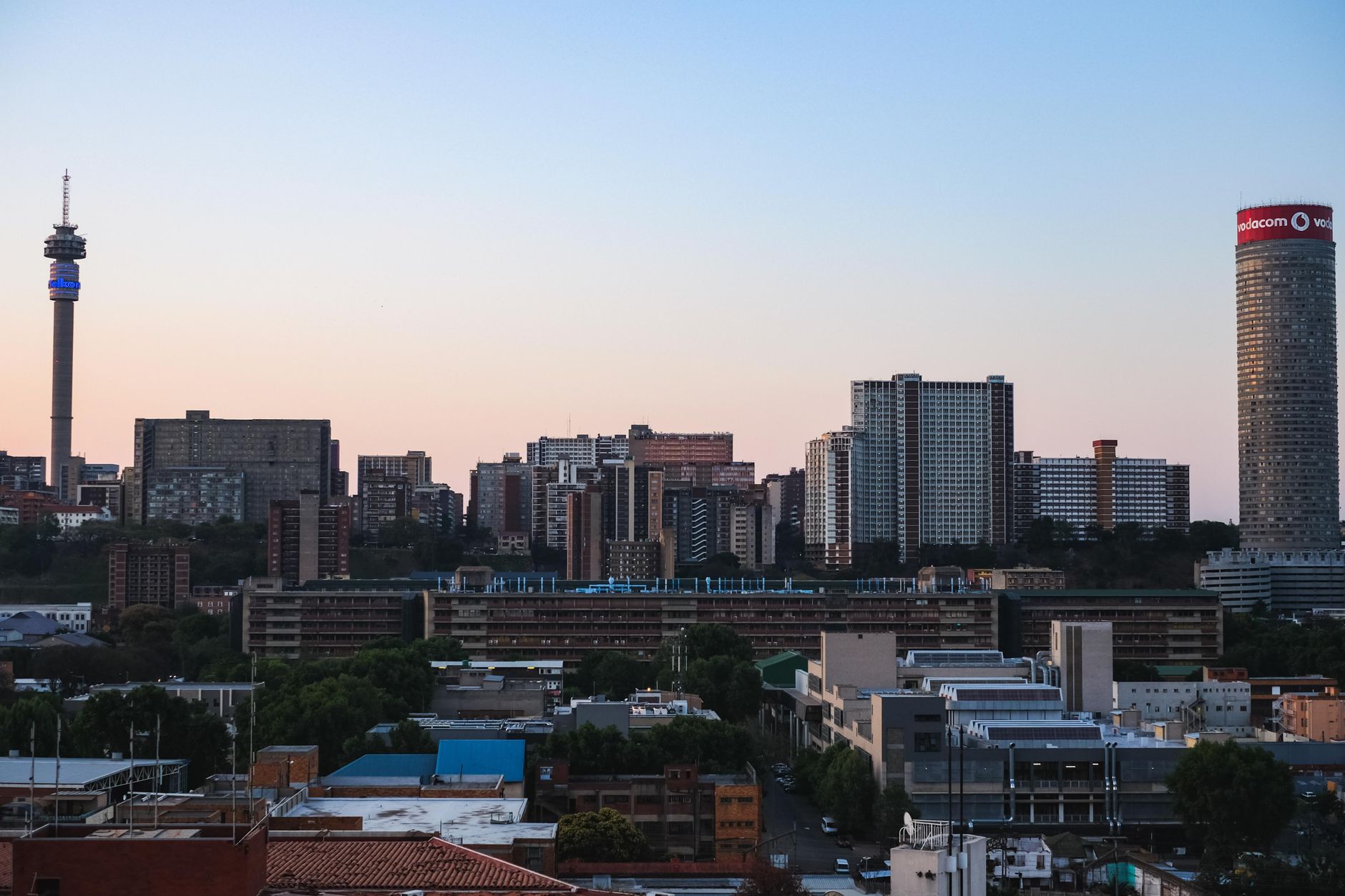
Johannesburg's celebrated innovation district, anchored around Braamfontein and the sprawling Sandton tech corridor, is confronting a convergence of headwinds that threaten to derail its trajectory as Africa's premier startup hub.
The challenges are mounting on multiple fronts. Venture capital inflows have contracted sharply this year, with early-stage funding deals down approximately 40% compared to 2025, according to preliminary data from local investment tracking firms. Several prominent co-working spaces along Ghandi Square and in the Maboneng Precinct have reported occupancy rates below 60%, a stark reversal from the frenzied demand of recent years.
"The funding environment has become brutal," says one established venture capitalist operating from offices in Sandton's Pearls of Sandton complex, requesting anonymity due to ongoing negotiations with limited partners. International investors have tightened their purse strings amid global economic uncertainty, with South African startups now competing for a shrinking pool of rand-denominated capital.
Compounding this is a persistent brain drain. Talented developers, designers and product managers are increasingly relocating to Cape Town, or beyond South Africa entirely, drawn by better funding prospects and lifestyle factors. LinkedIn data suggests tech talent departures from the Johannesburg metro have accelerated 35% year-on-year.
Operating costs have become prohibitive for scaling ventures. Commercial rents in Braamfontein's innovation hubs have climbed to R150-200 per square metre monthly—steep for bootstrapped startups. Electricity costs remain volatile, forcing many founders to invest in backup power solutions. Currency instability has complicated international hiring and software licensing arrangements.
The regulatory environment adds another layer of friction. Data protection compliance, increasingly stringent financial services oversight, and inconsistent local government support have slowed product launches. Several promising fintech startups have deferred market entry, citing licensing uncertainties.
Yet not all signals are dire. Johannesburg's deep talent bench, established mentorship networks centred around institutions like Wits and the Joburg City Improvement District, and a resilient culture of problem-solving continue to differentiate the city. A handful of well-capitalised startups are expanding operations and hiring despite headwinds.
Industry observers suggest the ecosystem is undergoing necessary consolidation rather than collapse. The speculative excess of prior years is being wrung out. Those startups with genuine product-market fit, disciplined unit economics, and committed founders are likely to emerge stronger. However, the painful adjustment period ahead may test whether Johannesburg can retain its mantle as sub-Saharan Africa's innovation capital.
This article was compiled by AI from the sources linked above and screened before publishing. See our editorial standards.