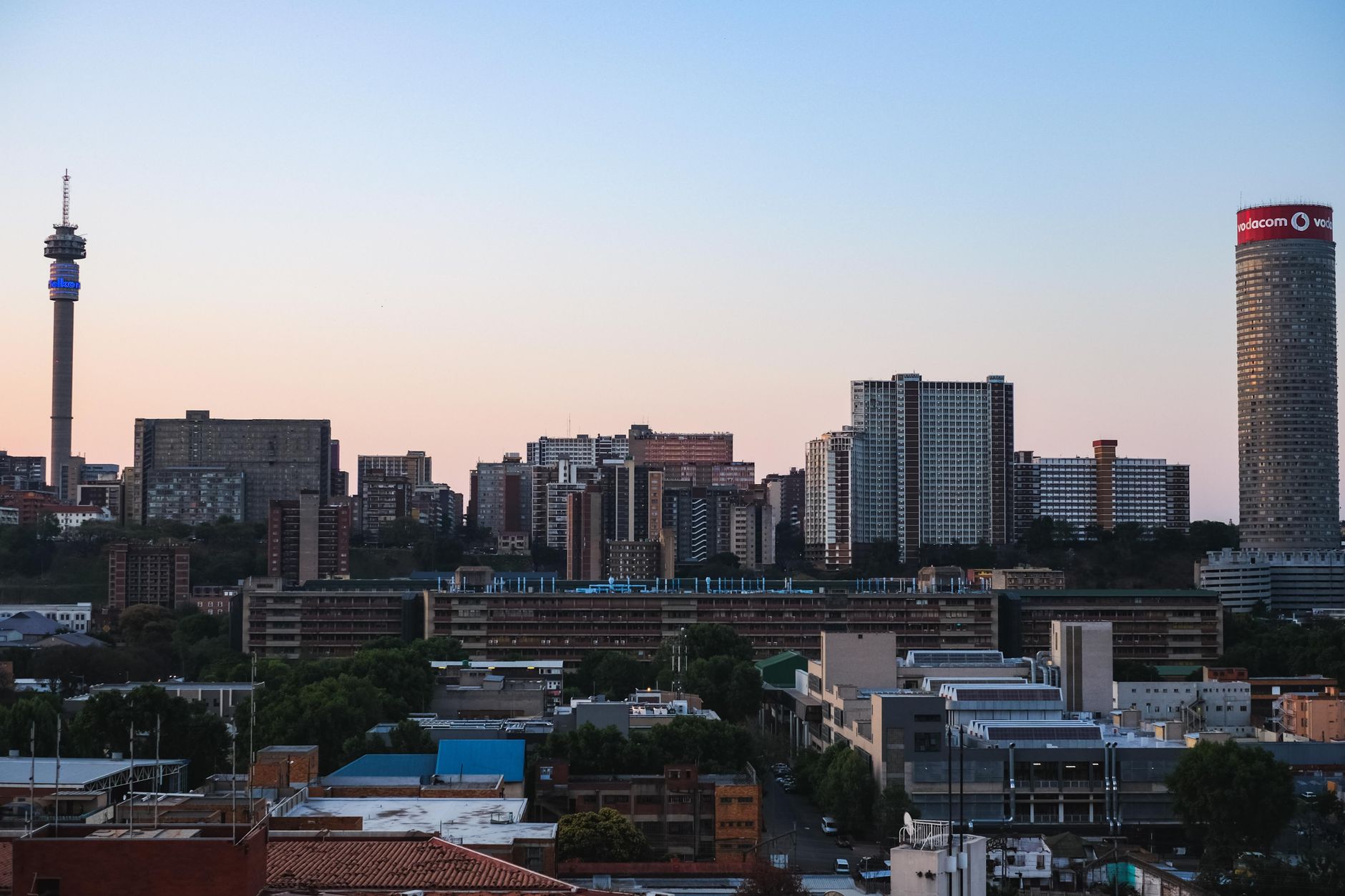
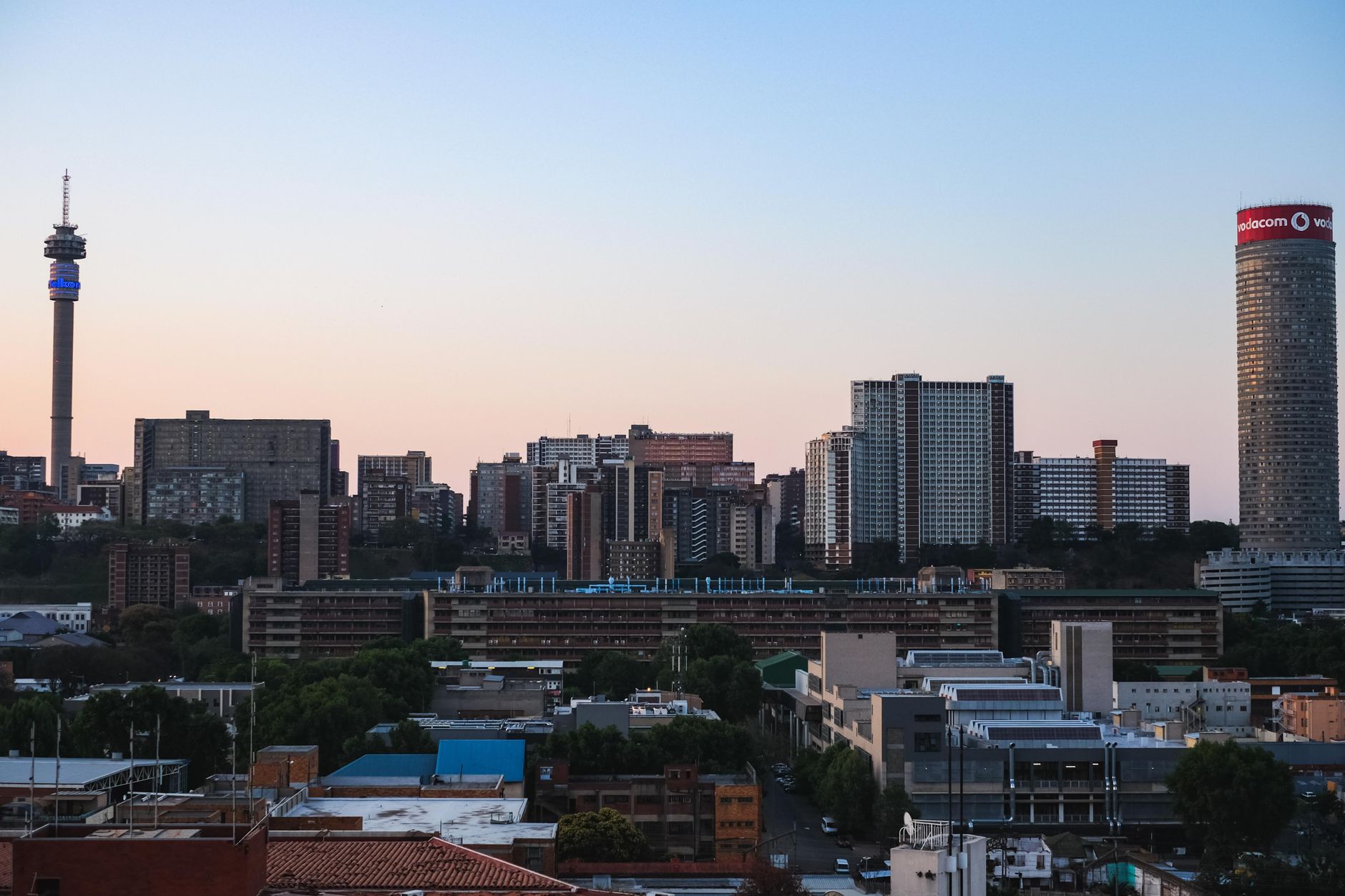
Walk into any coffee shop along Rosebank's trendy Oxford Road or peek into a manufacturing warehouse in Industria, and you'll hear the same refrain: the world's chaos has become Johannesburg's problem. With the rand hovering near record lows against the dollar and global shipping costs inflated by geopolitical uncertainty, local businesses are discovering that international headlines translate directly into tighter margins and harder decisions.
The numbers tell a sobering story. Import-dependent retailers in the Sandton precinct report that freight costs from Asia have surged by as much as 35% over the past year, driven partly by ongoing tensions in the Middle East disrupting traditional shipping routes through the Suez Canal. For businesses reliant on US-sourced components—particularly in the technology and automotive sectors concentrated in Gauteng—the knock-on effects of fluctuating dollar valuations have become relentless. A manufacturer in the Germiston industrial belt who sources materials from America is now looking at bills that swing unpredictably week to week.
The human cost is equally stark. Staff retention in Johannesburg's competitive job market has become a luxury many businesses can no longer afford. As inflation erodes salaries, companies across the CBD and northern suburbs are struggling to keep experienced workers from seeking opportunities abroad. A recent survey of businesses in the Johannesburg Chamber of Commerce and Industry highlighted that compensation demands have climbed sharply, with employees increasingly aware that their purchasing power is deteriorating faster than wage increases can match.
Neighbourhood economies are feeling the strain differently. In Maboneng, where small entrepreneurs and creative businesses cluster, input costs for everything from packaging to utilities have squeezed already-thin profit margins. Meanwhile, high-end retail in Fourways and Sandton faces different pressures: as wealthy consumers tighten spending amid global uncertainty, foot traffic has declined noticeably.
What's become clear is that Johannesburg's position as a continental business hub means isolation is impossible. When the rand weakens due to international instability, when shipping routes are disrupted by regional conflicts, or when global interest rates shift, the reverberations hit Joburg's streets within weeks. Local business leaders are increasingly adopting hedging strategies, diversifying supply chains, and in some cases, relocating operations to cushion against further shocks.
For now, Johannesburg's resilience is being tested in real time. The city that has weathered so much locally must now learn to navigate a world that feels increasingly unpredictable—and closer than ever.
This article was compiled by AI and screened before publishing. See our editorial standards.