community
A thoughtful Johannesburg visit starts at Constitution Hill
Constitution Hill in Braamfontein connects Johannesburg’s prison history with the country’s living constitutional democracy.
How we reported this
Constitution Hill is one of Johannesburg’s most purposeful places to spend a few hours. The Braamfontein precinct brings together former prison buildings, a former military fort and South Africa’s Constitutional Court, so a visit moves between difficult history and the institutions that followed it. The site’s own visitor information describes it as a living museum about the country’s transition from colonialism and apartheid to democracy.
The layout matters. The Old Fort, the Women’s Jail and Number Four are not presented as detached objects in a display case. They are buildings whose walls, corridors and courtyards help visitors understand how imprisonment shaped the lives of men, women and children. A personal guide can add context, but the precinct can also be approached at a slower pace by visitors who want time to read, look and reflect.
The Constitutional Court gives the visit a different dimension. It is South Africa’s highest court and is open to the public within the same precinct. That makes Constitution Hill more than a historical attraction: it is also a place where visitors can see the relationship between memory, rights and public life. Programmes on constitutionalism are part of the site’s wider work, and the court’s presence keeps the subject connected to the present.
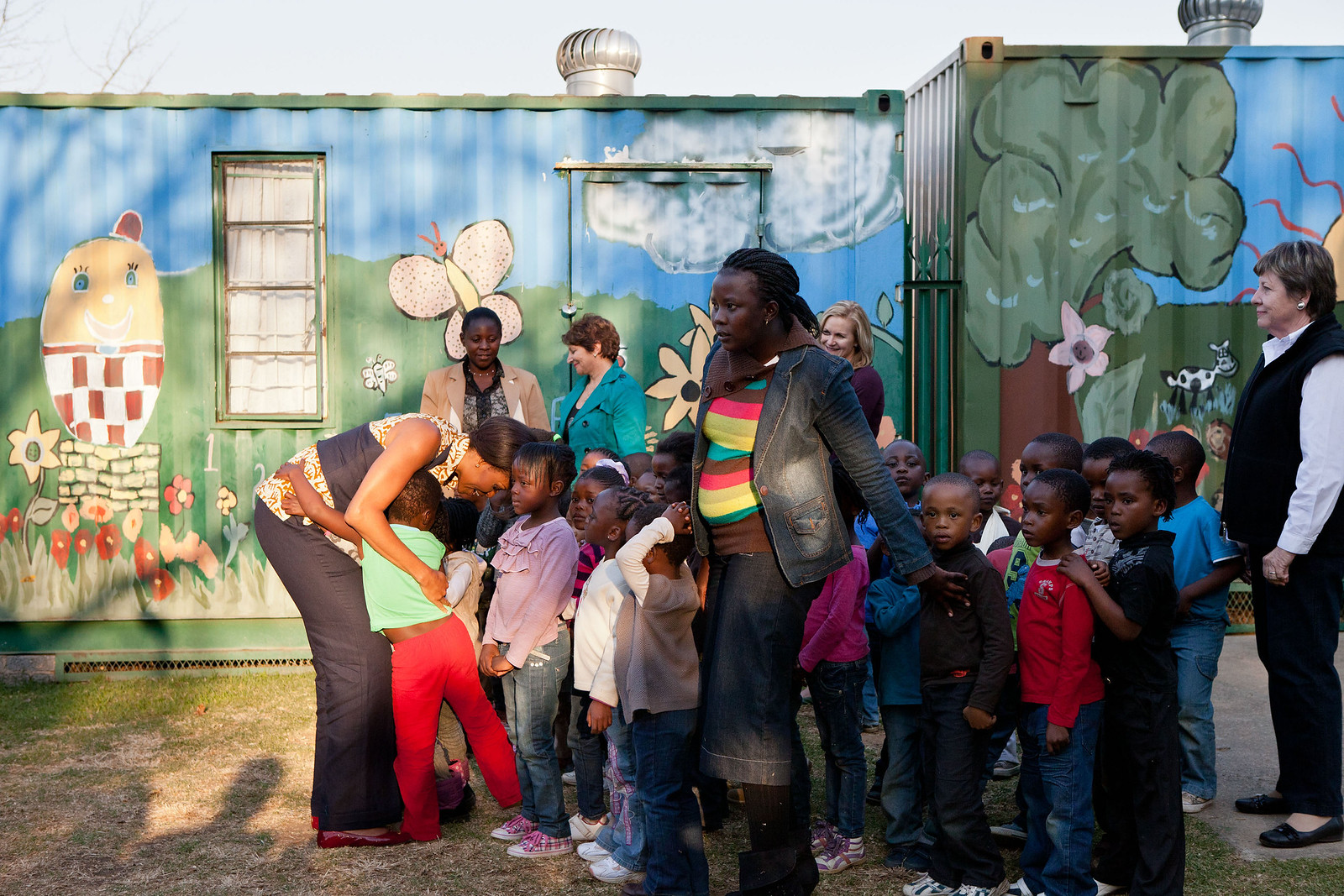
Families can use the visit as an age-appropriate conversation starter. Constitution Hill welcomes children and describes ways for younger visitors to explore human rights, democracy and the Constitution at their own level. Adults may want to begin with the former prison spaces, while children can be encouraged to ask how rules, fairness and dignity should work in a modern city.
Practical planning is straightforward. The precinct is at 11 Kotze Street, Johannesburg, close to Braamfontein and the inner-city regeneration area. Its official visitor information recommends vigilance, as it does for any major city attraction, and notes that secure underground parking is available. Check the official visitor information before leaving for current admission, tour and programme details, then allow enough time for both the museums and the court precinct rather than treating Constitution Hill as a quick photo stop.
A useful habit is to separate what the site itself explains from what a visitor may assume. Read the introductory material, note the names of the buildings and then follow the connections between them. That approach keeps the visit grounded in the institution’s own record. It also makes the experience accessible to someone who has never studied South African history in depth, because each question can be answered by returning to the place, its displays and its documented setting.