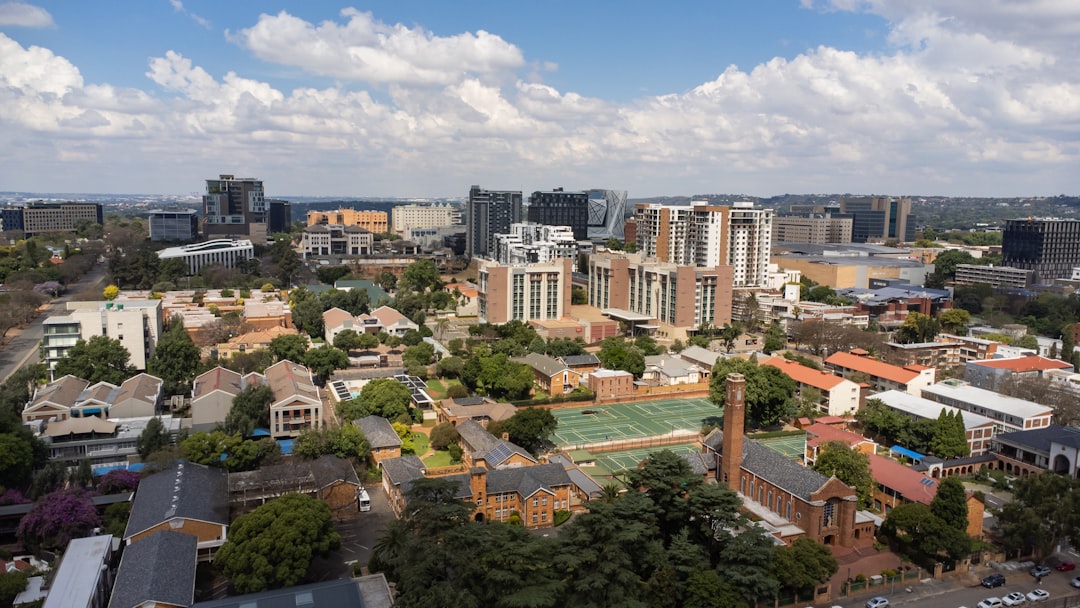
Johannesburg, South Africa's largest city and economic capital, has undergone extraordinary transformation and regeneration since the end of apartheid. Its free experiences are deeply connected to the country's history and contemporary culture, from the Soweto township to the constitutional institutions that replaced apartheid's administration. Here are the best free things to do in Johannesburg in 2026.
Soweto: Orlando Towers and Vilakazi Street
Soweto (South Western Townships), the vast township southwest of Johannesburg's city centre that was the crucible of the anti-apartheid resistance, is now a dynamic neighbourhood that can be explored freely. Vilakazi Street in Orlando West, the only street in the world to have housed two Nobel Peace Prize laureates (Nelson Mandela at No. 8115 and Archbishop Desmond Tutu), is freely walkable and the street's restaurants, guesthouses, and memorials provide the most concentrated Soweto heritage experience. The Hector Pieterson Memorial and Museum (small entry fee for the museum interior) and the adjacent memorial site (free) commemorate the 1976 Soweto Uprising student protests. The Orlando Towers, two decommissioned cooling towers painted with murals, are a landmark visible throughout southwest Johannesburg.
Maboneng Precinct
The Maboneng Precinct in the inner-city Johannesburg east (accessible from the Park Station transit hub by Rea Vaya BRT bus) is Johannesburg's most vibrant creative neighbourhood, developed since 2009 in former industrial buildings. The Arts on Main complex hosts the Sunday Market (free entry, Sundays 10am-4pm) with food vendors, fashion designers, artists, and vintage sellers in a converted industrial building that has become the social anchor of Johannesburg's creative class. The precinct's street art, independent galleries, and café culture are free to walk through and provide the most forward-looking free experience of post-apartheid Johannesburg.
Constitution Hill and the Constitutional Court
Constitution Hill, the site of the former Johannesburg Fort prison where both Nelson Mandela and Mahatma Gandhi were held, now houses the Constitutional Court of South Africa (the highest court in the country for constitutional matters). The outdoor precinct of Constitution Hill is freely accessible and includes the preserved women's jail building, the inner courtyard of Number Four (the Black section of the prison, now an outdoor museum with preserved cell blocks), and the architecture of the Constitutional Court building itself (incorporating bricks from the demolished prison in a building that is a monument to justice). Free guided tours of the Constitutional Court operate on selected days.
Zoo Lake Park and Free Sundays
Zoo Lake (the Johannesburg Zoo's adjacent public lake and park, free to enter the park area outside the zoo perimeter) in Parkview provides one of Johannesburg's most pleasant free Sunday afternoon experiences. The lake's pedalboat hire (paid), rowing boats, and the lakeside park lawn where families picnic and cyclists and joggers circuit the lake are free. The Hermann Eckstein Park and the Johannesburg Botanical Garden in Emmarentia adjacent to Zoo Lake provide additional free park walking through formal rose gardens and natural grassland reserve.
Rosebank Rooftop Market
The Rosebank Rooftop Market (every Sunday 9am-5pm, free entry) on the rooftop of the Rosebank Mall parking garage provides Johannesburg's largest Sunday flea and craft market, with handmade jewellery, African fabrics, vintage clothing, local artwork, craft beer, and street food in an open-air setting above the Rosebank commercial district. The market provides the most accessible free overview of contemporary South African craft and design in the Johannesburg metropolitan area.
Practical Tips
Johannesburg's Gautrain rapid rail (from OR Tambo Airport to Sandton and Rosebank) provides safe and reliable transit. The Rea Vaya BRT provides bus transit across the inner city. Safety is a genuine consideration in Johannesburg; the areas listed above (Maboneng, Rosebank, Sandton, Constitution Hill) are all relatively safe for visitors but standard urban precautions (no visible phone or camera when not in use) apply. Uber is the recommended transport option for moving between the city's neighbourhood clusters.
This article was compiled by AI and screened before publishing. See our editorial standards.