culture
How to make an Apartheid Museum visit meaningful in Johannesburg
The Apartheid Museum in Ormonde offers a focused way to spend time with South Africa's twentieth-century history.
How we reported this
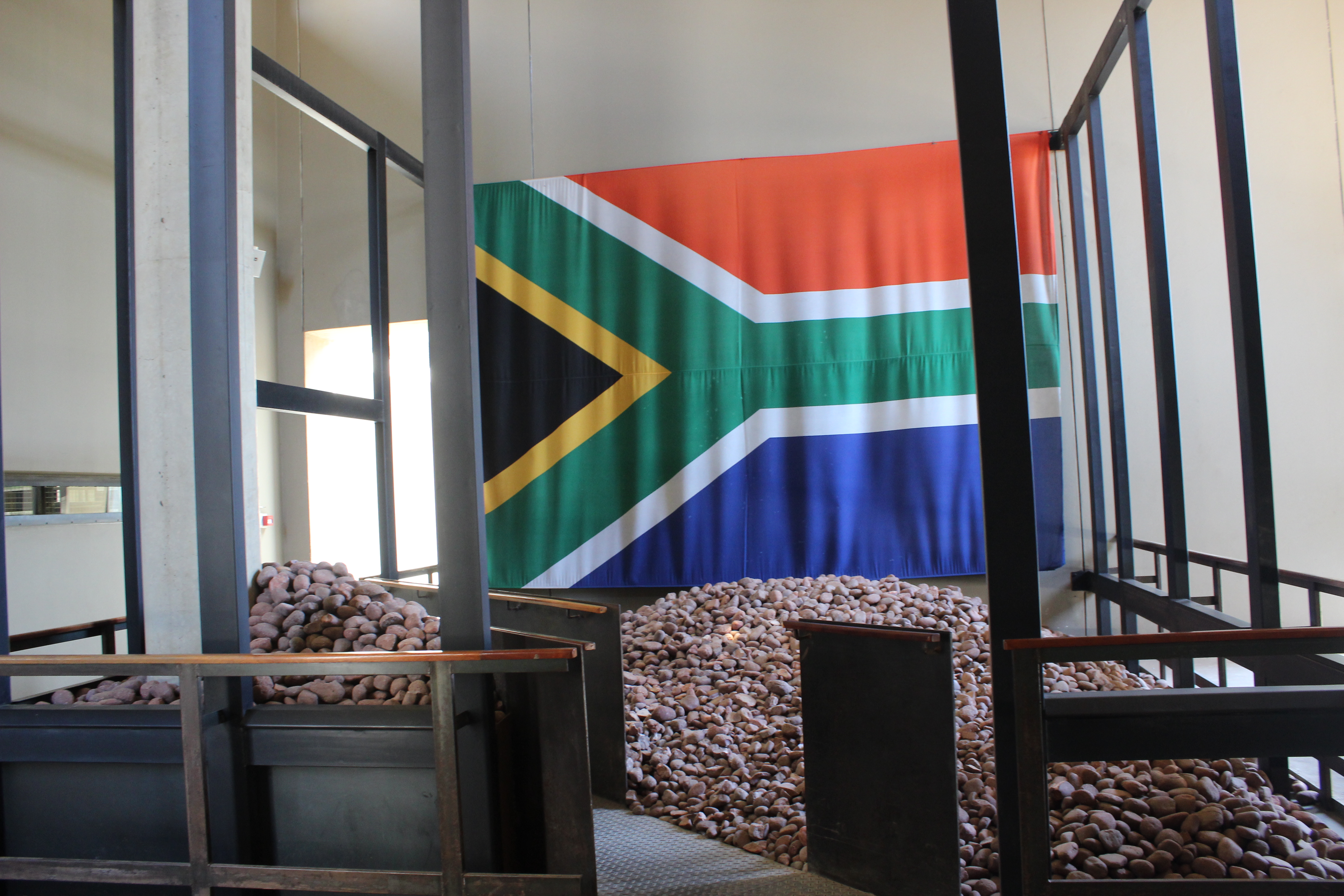
A visit to Johannesburg's Apartheid Museum is best approached as a substantial museum session rather than a quick stop between other activities. The museum is located in Ormonde and recommends allowing time for visitors who want to engage with the exhibitions. That simple planning detail helps set the right pace for a place built around difficult, layered history.
The museum is dedicated to the story of apartheid and twentieth-century South Africa. Its exhibitions are designed to connect political history with the experiences of people who lived through segregation, state power, resistance and the transition to democracy. Visitors should expect to move through material that demands attention, including images, objects, documents and interpretive displays. Reading carefully is more rewarding than trying to absorb everything in a hurried walk.
For families, preparation can make the experience more useful. Older children and teenagers may benefit from a short conversation before the visit about the meaning of apartheid and why museums preserve personal testimony as well as official history. Adults can decide in advance whether to focus on the permanent exhibition, a current temporary exhibition or the museum's Mandela-related material.
The museum is open from Tuesday to Sunday, and on most public holidays. Opening arrangements and admission details can change, so check the official page before setting out. Tickets are available at the door, but visitors should still confirm the latest arrangements if they are travelling with a school group or a larger party.
Ormonde is south of Johannesburg's central districts, and the location works well as part of a history-focused day rather than an itinerary packed with unrelated stops. Give the museum quiet time, take breaks when needed and leave space afterwards for discussion. The value of the visit lies not only in the facts it presents, but in the way it asks visitors to consider how a society remembers injustice and builds a different public future.
The museum is also a place for careful conversation. Visitors can compare what they expected to learn with what the exhibitions actually foreground, then discuss which voices, objects and photographs stayed with them. That conversation does not need to become a debate or a test. It can simply recognise that historical evidence carries human consequences. Planning a quiet meal or walk afterwards may help families and friends process the visit rather than moving immediately to another crowded attraction.